+51 986 002 962
info@neotropicperu.com

Seven days. Three nights inside the Reserved Zone. A Manu Reserved Zone tour made for slow, close wildlife watching.
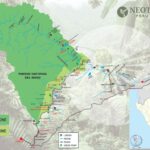
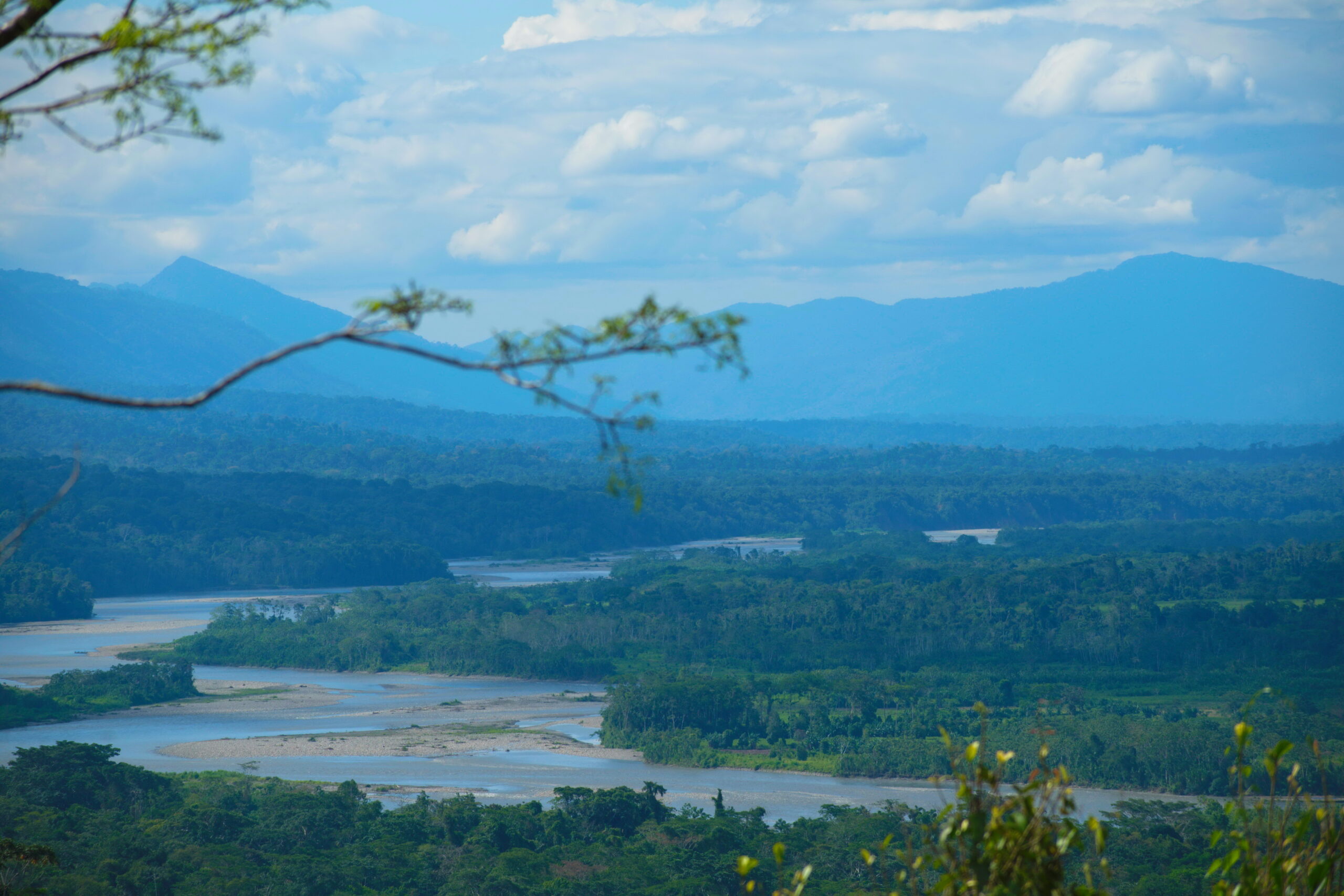
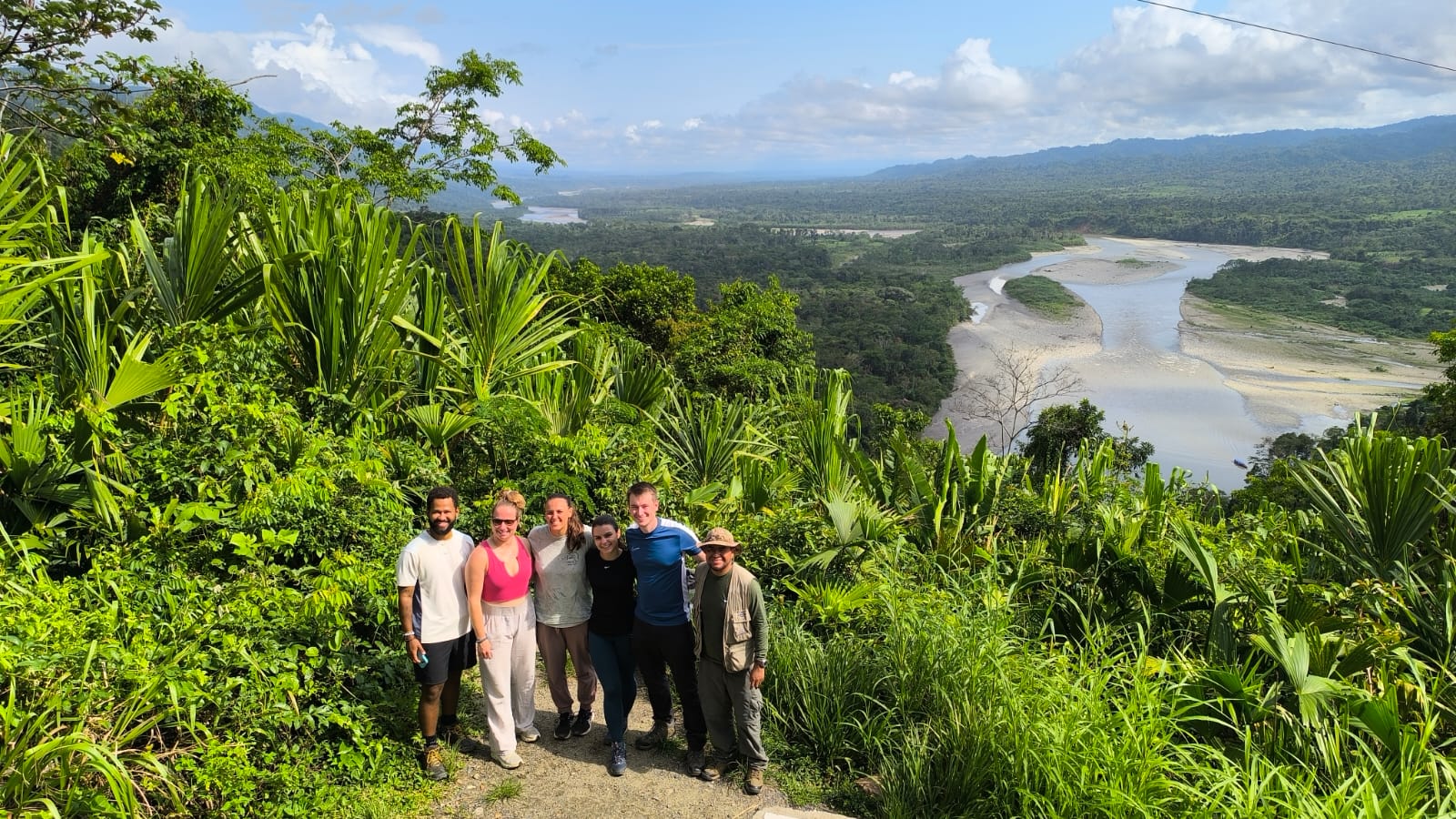
This 7-day Manu Reserved Zone tour is our slower, deeper way to explore Manu National Park, a UNESCO Biosphere Reserve in southeastern Peru. You travel from Cusco over the Andes, drop into the cloud forest, and then follow the Alto Madre de Dios and Manu rivers by boat into the Reserved Zone, where entry is regulated and the forest feels remarkably wild. The difference with our 6-day Manu Reserved Zone tour is simple and important: one extra full day inside the Reserved Zone.
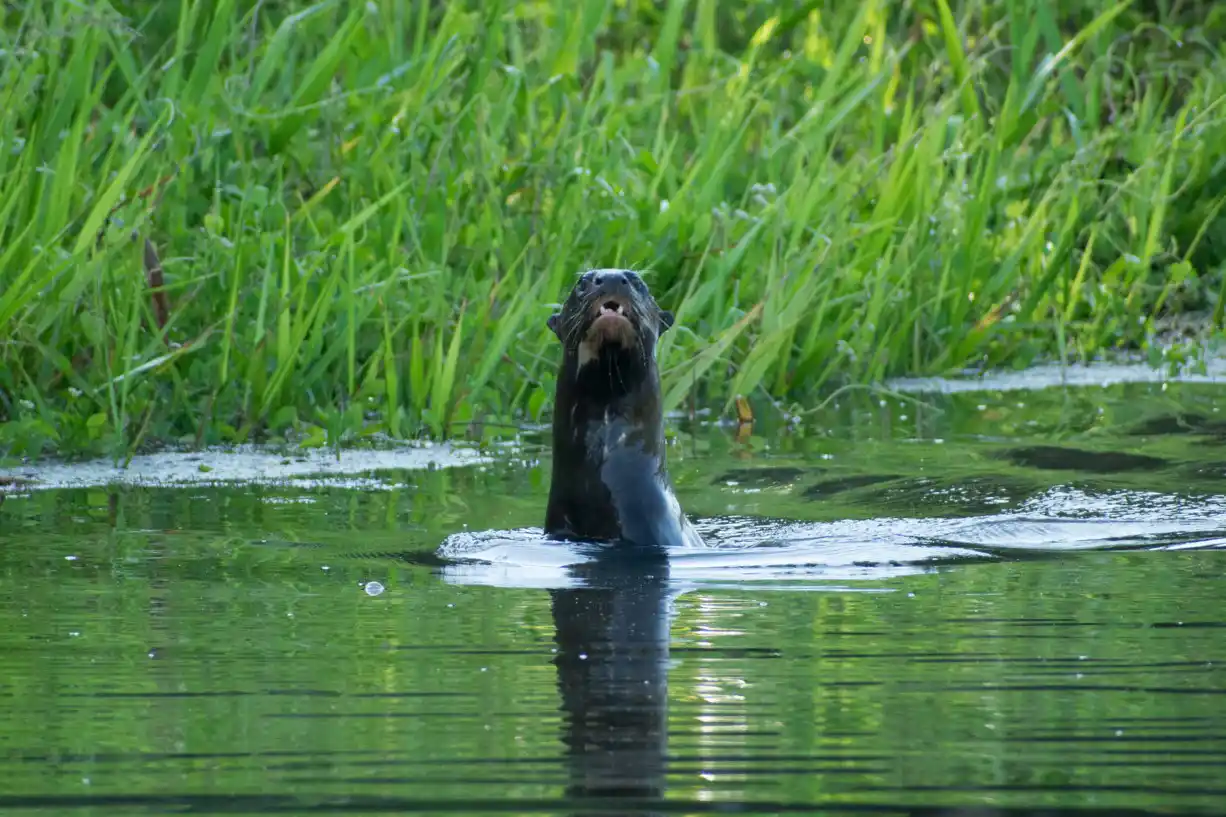
That extra day changes the experience. Instead of fitting the otter lake, the macaw clay lick and the community visit into a tight schedule, you have room to do each one properly. You can be at the clay lick at first light, spend a full morning on the water, wait quietly for a giant otter family to appear, and still have time to walk the forest trails and talk with your guide about what you are seeing.
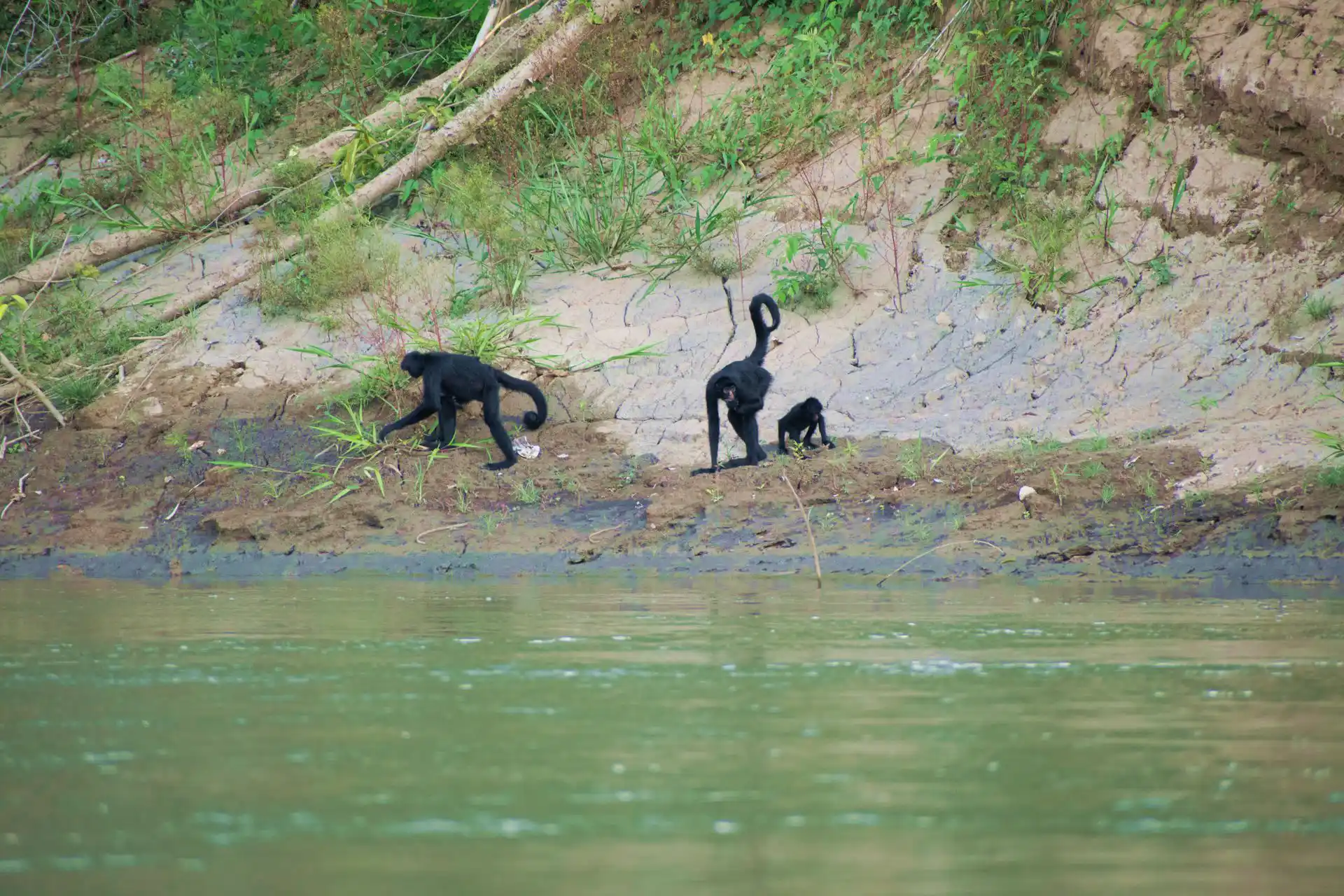
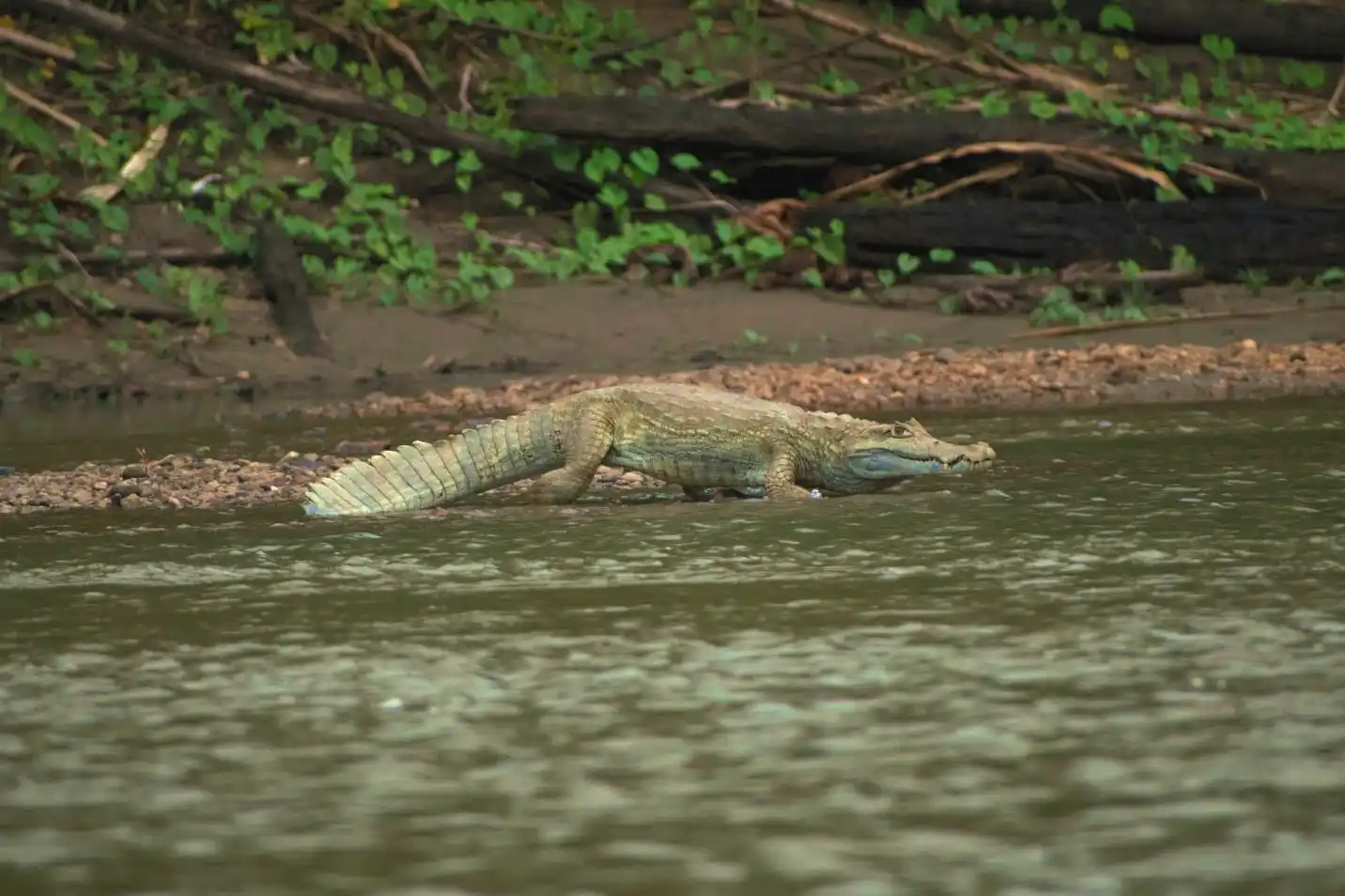
Along the way you will watch Andean cock-of-the-rocks display at their lek, look for caimans, capybaras, turtles and monkeys from the boat, and climb a 20-metre tower over Cocha Otorongo. You will glide across Cocha Salvador by catamaran, spend three nights at Casa Matsiguenka, a lodge managed by the native Matsiguenka community or Jaguar Lodge, and share time with the people who live here.
This Manu Reserved Zone tour is ideal for wildlife photographers, birders, repeat Amazon travellers and anyone who prefers depth over speed. It is physically easy to moderate, but it asks for patience and curiosity. Your guide adapts each day to the weather, the river level and what the forest is showing.
A day that crosses the Andes and ends among orchids and cock-of-the-rocks.
We pick you up from your Cusco hotel early mornig and leave the city while it is still waking up. The road climbs steadily through highland villages and open grassland. After about an hour and a half we stop at Ninamarca to see the chullpas, stone burial towers built long before the Incas, standing alone on the plateau.
Optional breakfast in Paucartambo, a colonial mountain town famous for its traditional festivals. From here the road keeps rising to Acjanaco Pass, above 3,500 m, where the cold air and the wide view over the Manu Biosphere Reserve make a dramatic first look at where we are heading. Your guide will explain the local belief in the apus, the mountain spirits.
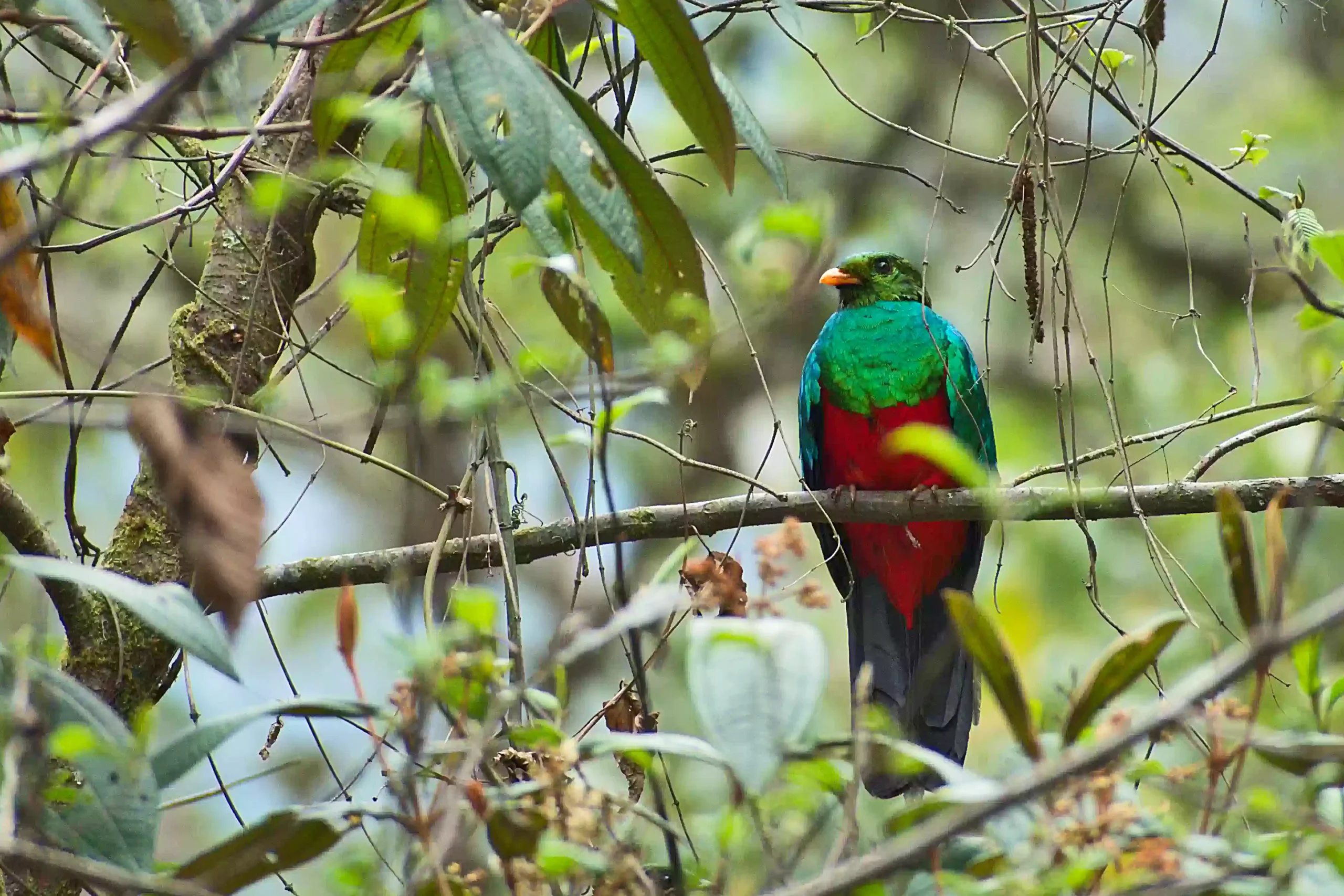
Then we go down, and fast. In a few hours, bare highlands become dripping cloud forest, thick with moss, ferns, bromeliads and orchids. We stop often and without rush for birds such as tanagers, hummingbirds, toucans and trogons. Lunch is a along the way.
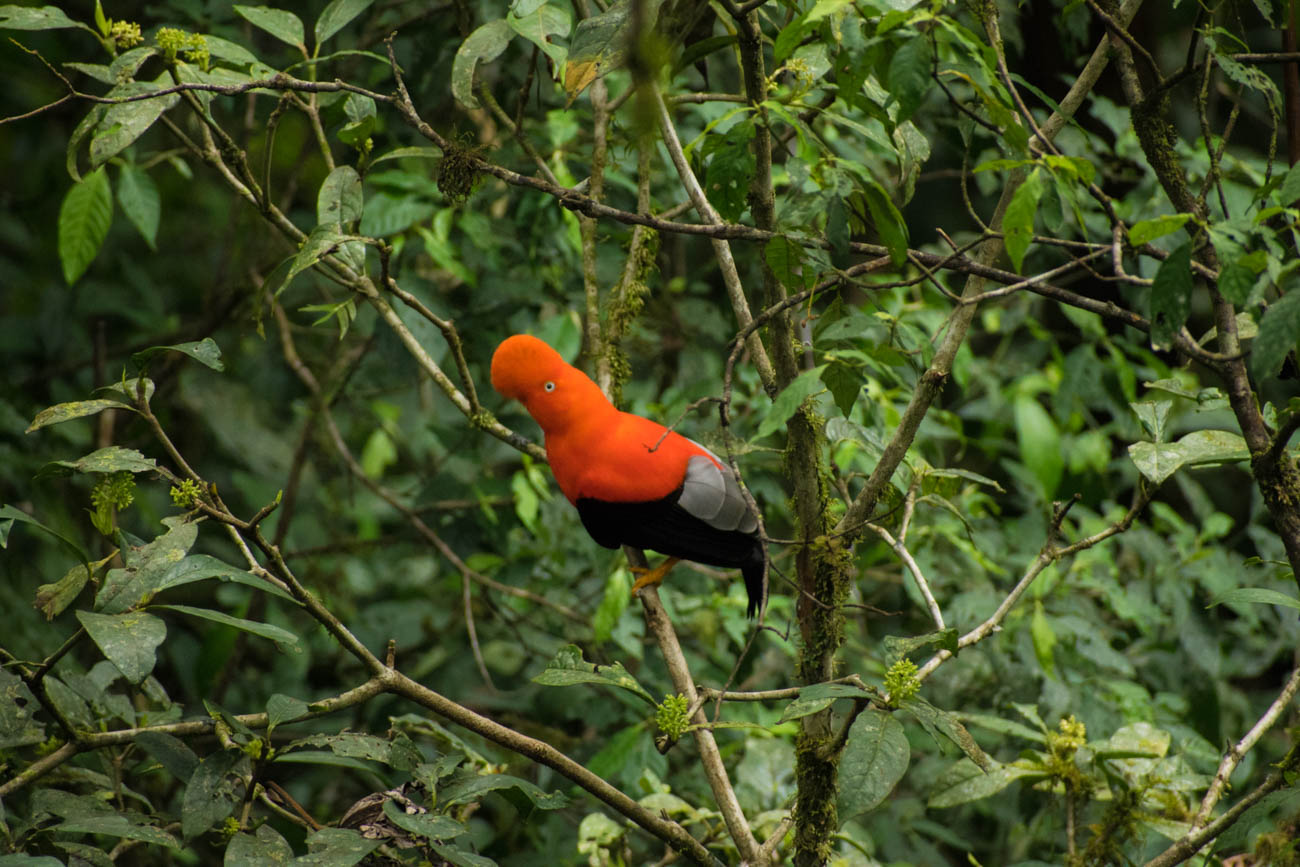
The afternoon belongs to the Andean cock-of-the-rock. The males gather at a display ground and compete for females with loud calls and sudden movements. It is theatrical, noisy and hard to forget. We arrive at the lodge around 5:00 p.m. for a hot shower, dinner and a briefing.
What you may see: Andean cock-of-the-rock, woolly monkeys, tanagers, hummingbirds, toucans, orchids, giant ferns.
At a glance: easy to moderate · 9 to 10 hours of travel with stops · overnight at Bamboo lodge, approx. 700 m.
Guide’s tip: keep a light jacket handy. It is cold at the pass and warm and humid just a few hours later.
The last road ends, and the river begins.
After breakfast we continue to Atalaya port, where you receive your life jacket and rubber boots and meet the boat crew.
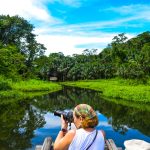
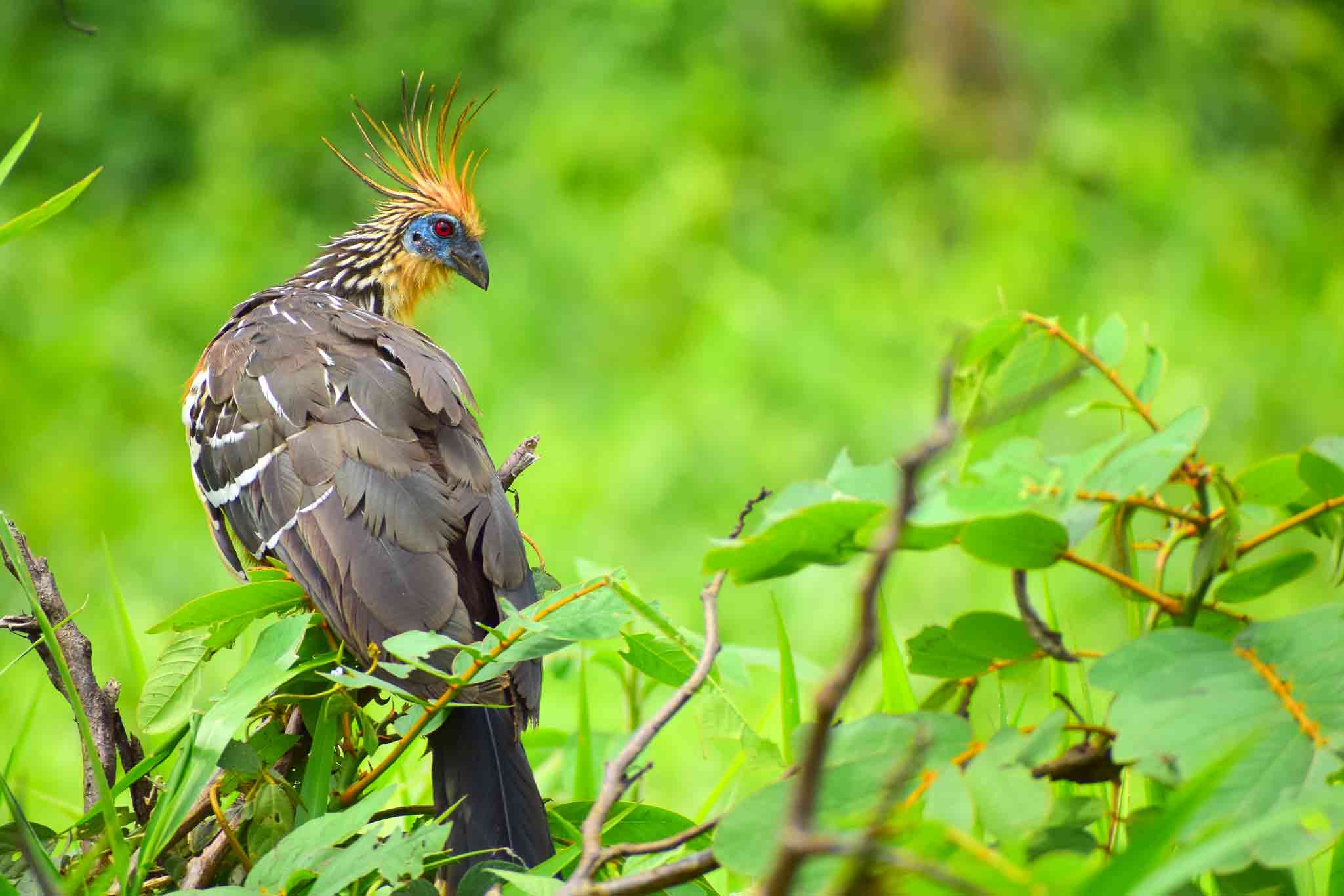
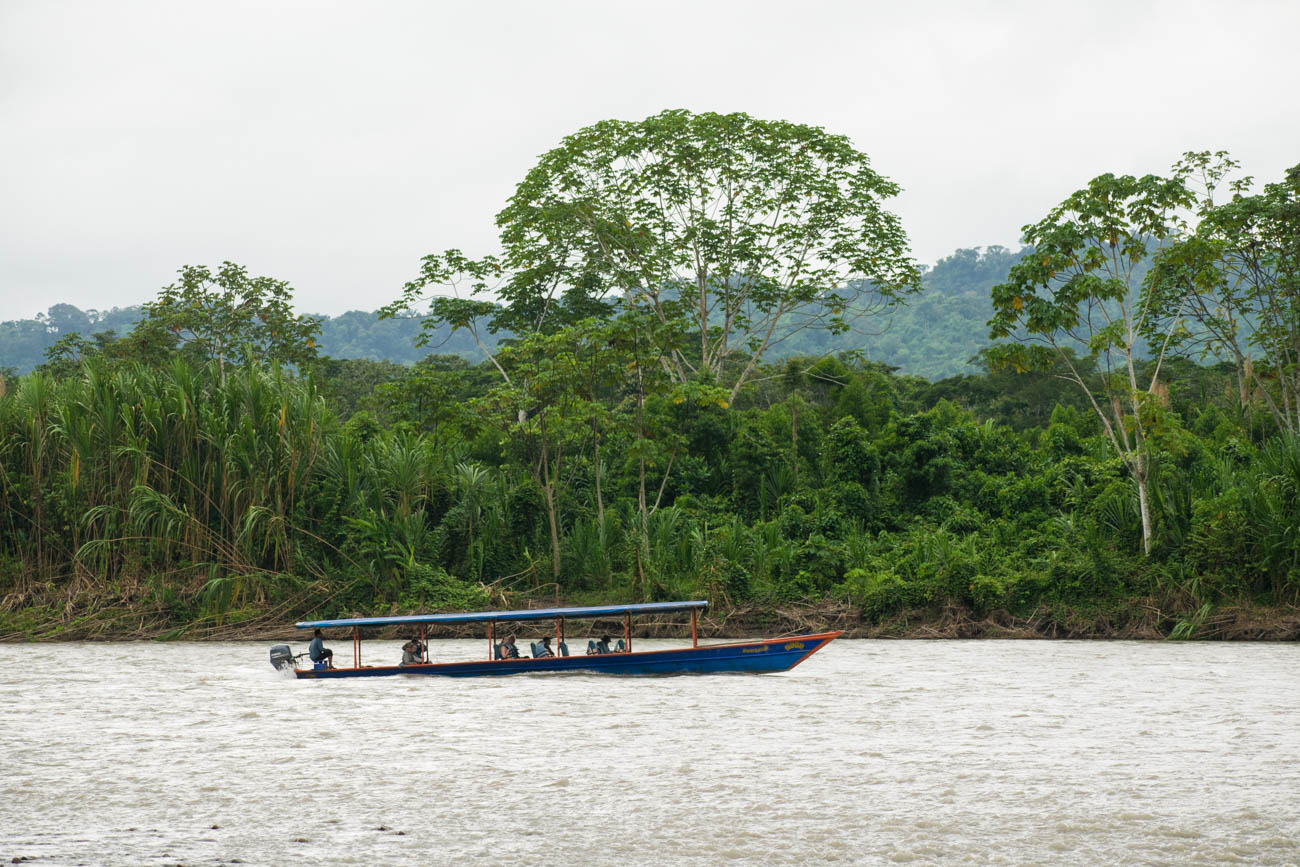
The journey now follows the Alto Madre de Dios River, a major tributary of the Peruvian Amazon. The morning light is best for wildlife, and the guide points out kingfishers, macaws flying in pairs, capuchin monkeys in the canopy and caimans warming themselves on the banks. The boat slows down whenever something worth watching appears.
At midday we stop at the Shintuya hot springs. The warm pools, surrounded by tropical vegetation, are a good place for a swim and a picnic lunch. We then continue by boat to our lowland lodge, arriving in the late afternoon.
After dinner we set out on a night walk, when the forest comes alive with calling frogs, insects and sleeping birds. A short briefing prepares you for tomorrow’s entry into the Reserved Zone.
What you may see: macaws, kingfishers, capuchin monkeys, toucans, caimans, frogs, nocturnal insects.
At a glance: easy · 3 to 4 hours by boat · overnight at Manu Rainforest Dorado Lodge, approx. 450 m.
Guide’s tip: wear a swimsuit under your clothes and keep sandals in your day bag for the hot springs.
The forest gets wilder with every bend of the river.
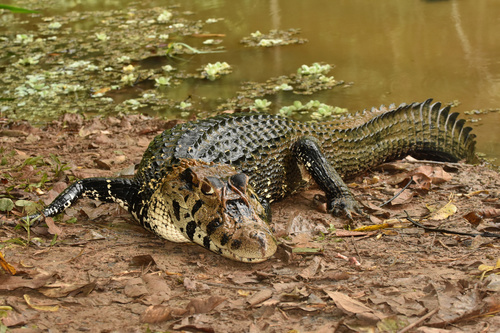
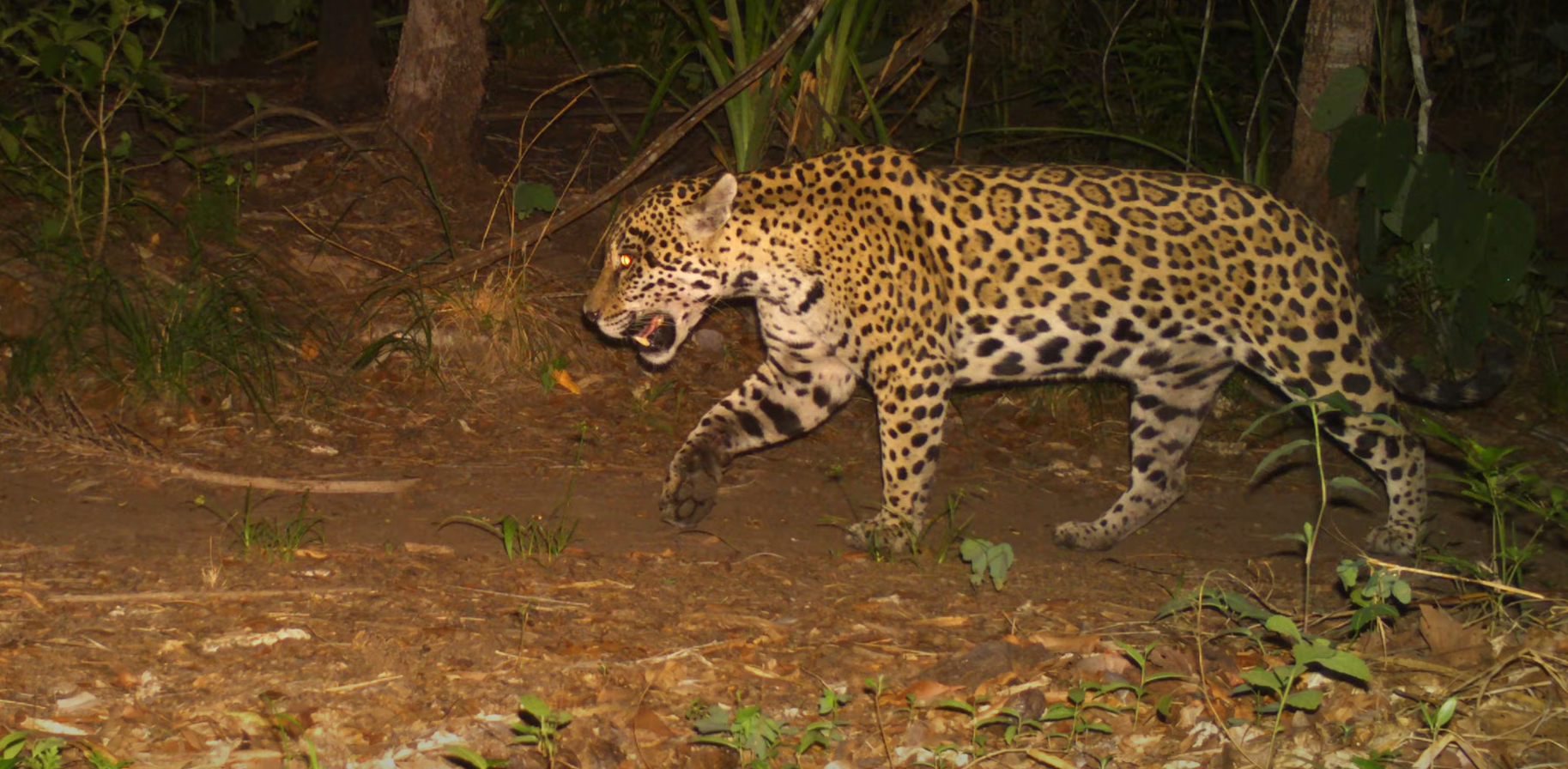
We leave early, while the animals are active. At the Limonal checkpoint we complete the formalities to enter the Manu Reserved Zone, and from this point the river widens and the forest feels quieter. Keep your eyes on the banks: turtles on fallen logs, white and black caimans, capybaras, a great variety of birds and, with luck, a jaguar resting in the shade.
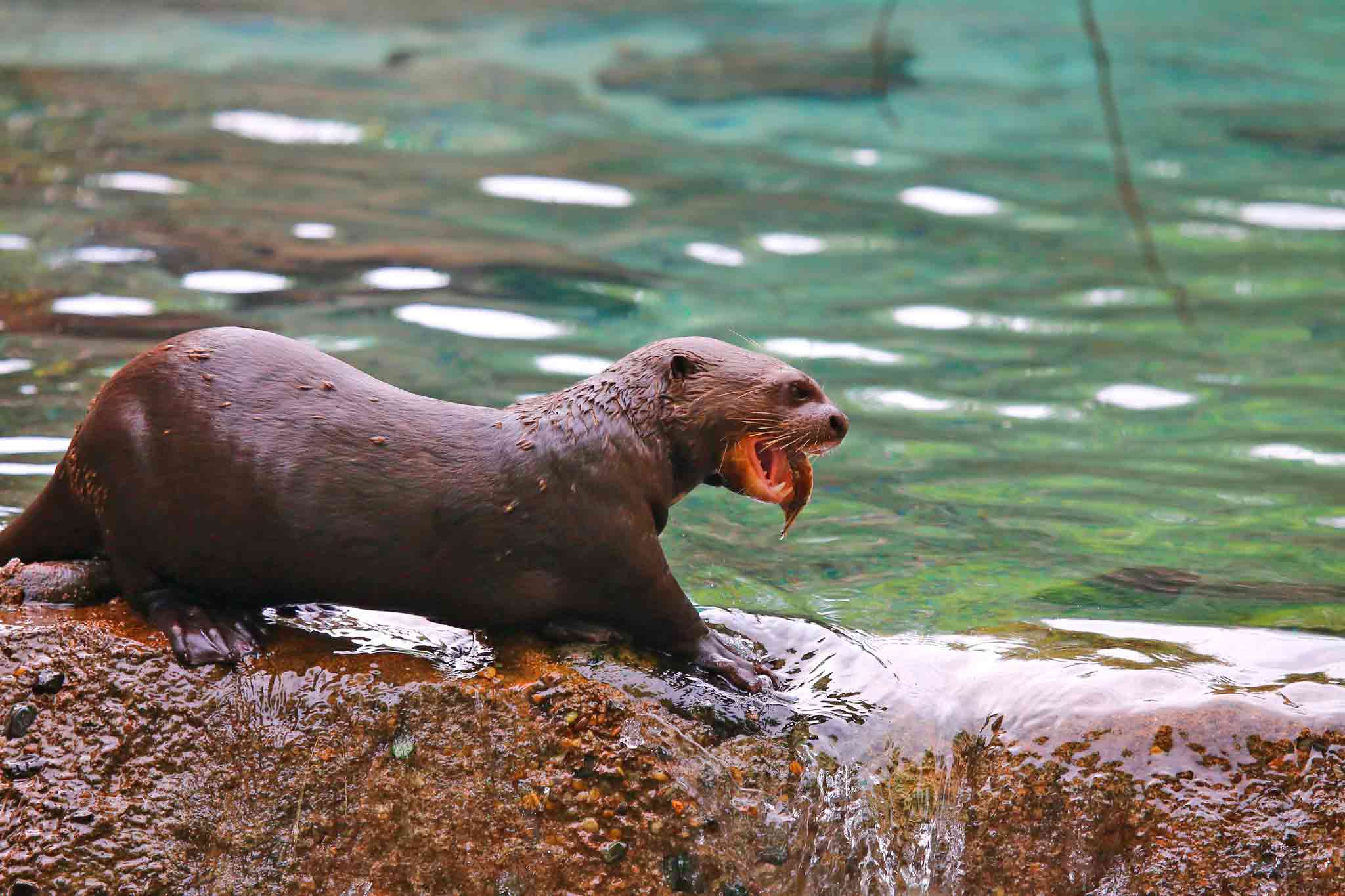
In the afternoon we visit Cocha Otorongo, a crescent-shaped oxbow lake. A 20-metre observation tower lets you look over the water and the canopy, and it is one of the best places in Manu to watch giant otters. These endangered animals live in family groups and eat several kilos of fish daily, so they are noisy, energetic and fascinating to watch. A zoom lens is very useful here.
In the late afternoon we arrive at Casa Matsiguenka, our home for the next three nights. The lodge is built with local materials, managed by Matsiguenka communities and powered by solar panels. After settling in, you can join an optional short night walk. We share dinner and fall asleep to the sound of the forest.
What you may see: giant otters, black and white caimans, turtles, macaws, howler monkeys, capybaras, possibly jaguar.
At a glance: moderate · 5 to 6 hours by boat · overnight at Casa Matsiguenka or Jaguar Lodge, approx. 350 m.
Guide’s tip: bring a hat and sunscreen for the boat. The light reflected off the water is stronger than it looks.
A quiet morning on the water, with the forest all around.
After breakfast we head to Cocha Salvador, one of the most iconic lakes in Manu. We board a catamaran and glide across the calm water, which is the best way to approach wildlife without disturbing it. This is prime territory for giant otter families fishing and playing along the shore, and also for Red howler monkeys calling from the trees, herons waiting at the edge and caimans watching from the banks.
With a full day in the Reserved Zone, there is no rush. We wait when the otters appear, we return to a good spot if the light improves, and we give photographers the time they need. Lunch is back at the lodge, followed by a rest during the hottest hours.
In the afternoon we walk through the aguajal, a palm swamp full of life, with giant trees, medicinal plants and, with luck, sloths and several monkey species. Your guide explains how the forest works and how local people use its plants. After dinner, a night walk of about two hours shows you a new set of animals: tree frogs, snakes, owls and nightjars.
What you may see: giant otters, howler monkeys, sloths, herons, macaws, caimans, tree frogs.
At a glance: moderate · short boat rides and walks of 2 to 3 hours · overnight at Casa Matsiguenka.
Guide’s tip: keep your camera ready, but also spend a few minutes just listening. The sounds of Manu are half the experience.
The extra day, and the one many travellers remember most.
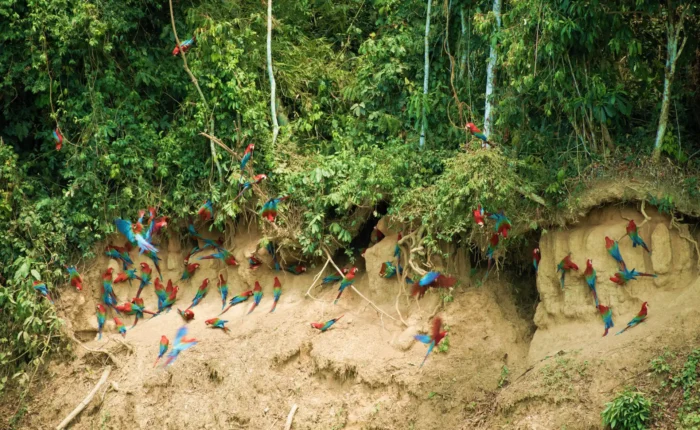
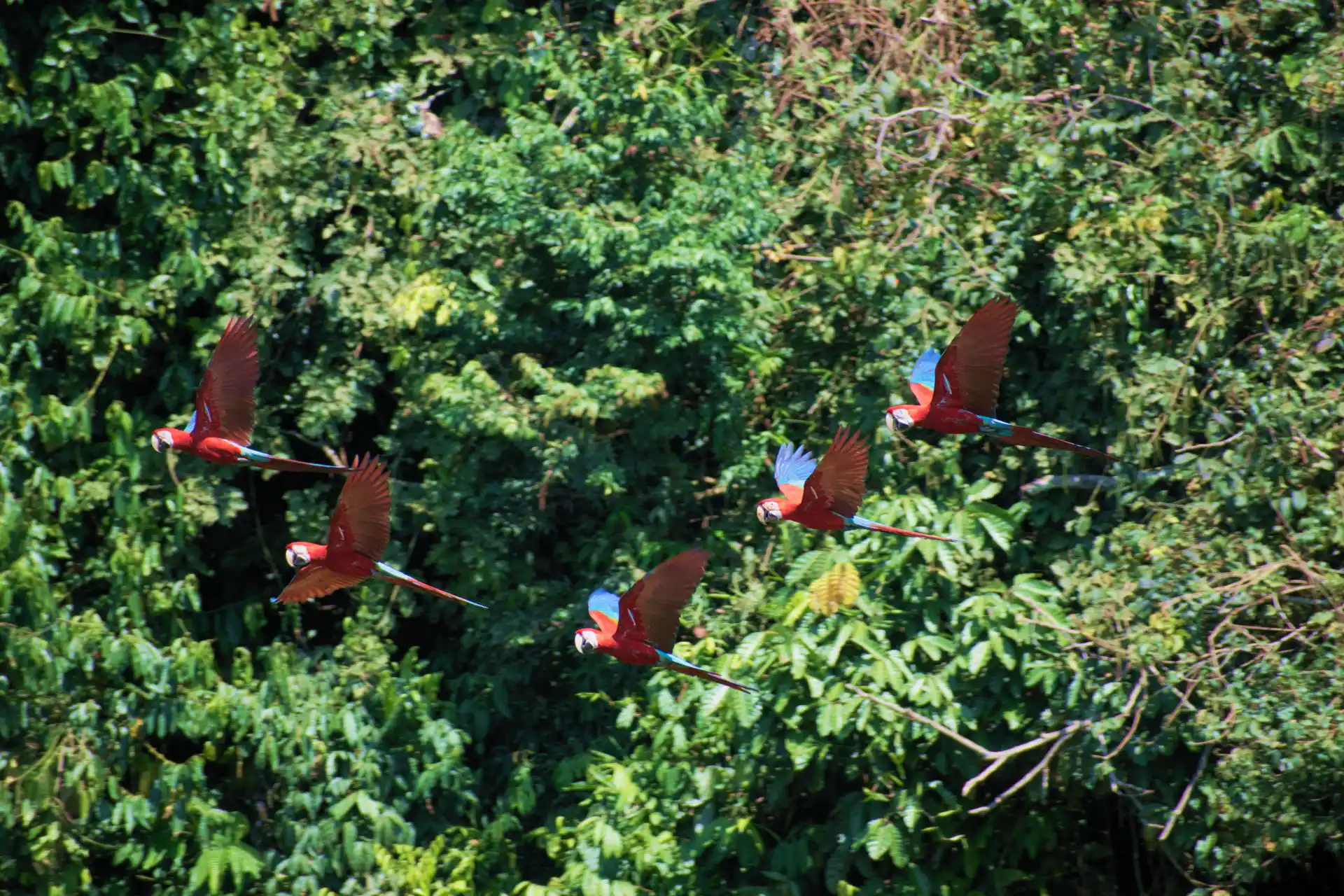
We start before sunrise to reach the macaw and parrot clay lick while the birds are arriving. They gather here to feed on mineral-rich clay, and the sound, color and movement are unlike anything else in the forest. Because we are not on a tight schedule, we can wait for the best moment and take photographs in good light (depending on the season and the activity of the birds).
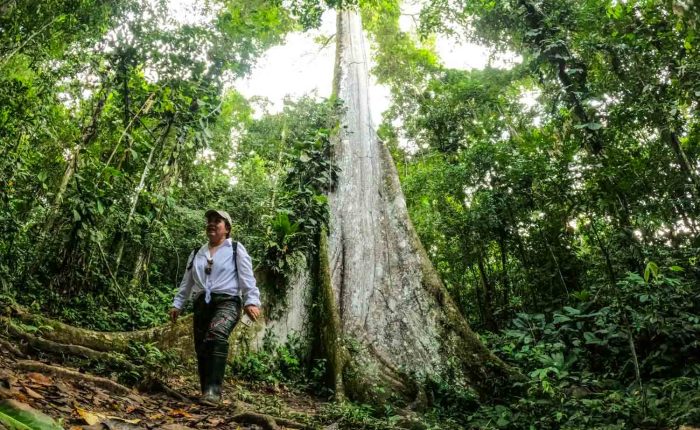
After breakfast and a short rest, we take a walk along forest trails, at a relaxed pace. Your guide stops to show you giant trees, fungi, tracks, insects and birds that most visitors walk past. This is where the extra day pays off: more time to look closely and ask questions.
In the afternoon we visit the Matsiguenka community. You learn about their traditions, their knowledge of the forest and how tourism supports their work at the lodge. It is a respectful, two-way exchange, with enough time to talk without hurrying. Dinner and a second night walk close the day.
What you may see: blue-and-yellow and red-and-green macaws, parrots, monkeys, tapirs (rare), forest birds, fungi and insects.
At a glance: moderate · up to 4 hours of walking in total · overnight at Casa Matsiguenka.
Guide’s tip: the clay lick is quiet, so dress in neutral colors, avoid strong scents and bring a seat cushion if you plan to wait.
A river day with wildlife until the last hour.
We leave Casa Matsiguenka early, with breakfast on board. Mornings on the river are calm, and this is a good time to look for jaguars, tapirs, capybaras and birds along the banks. The guide and the boat driver stay alert and stop whenever something moves.
The river carries us downstream through the Reserved Zone and back to the Alto Madre de Dios. We take our time, stopping for photographs and, if conditions allow, for a short walk on a beach or a trail. In the afternoon we arrive at Amazon lodge for a relaxed evening, a farewell dinner and a chance to share the highlights of the trip with your guide.
What you may see: jaguar (possible), black caiman, capybaras, toucans, macaws, turtles.
At a glance: easy · 5 to 6 hours by boat · overnight at Amazon Dorado lodge, approx. 400 m.
Guide’s tip: keep a small dry bag for your camera and phone. The river can splash and the weather changes quickly.
A scenic return over the Andes.
After breakfast, a short boat ride takes us to Atalaya, where our vehicle is waiting. The road climbs through the cloud forest and over the Andes, with a lunch stop along the way and a last chance for viewpoints and birds. We aim to arrive in Cusco around 7:00 p.m. , and we can drop you at your hotel or at the airport.
We recommend booking your onward flight for the next day, because road and river conditions in Manu can cause delays.
At a glance: easy · 9 to 10 hours of travel with stops · tour ends in Cusco, approx. 3,400 m.