+51 986 002 962
info@neotropicperu.com
Do not hesitage to give us a call. We are an expert team and we are happy to talk to you.
+51 986 002 962
info@neotropicperu.com
EXCELLENT Based on 31 reviews
 Posted on Tripadvisor
 Katherine KFabulous and Fun Juan was my guide, we had a blast and saw at least 33 birds that I recall. Great guide, great personality and just a wonder full day of birds. I highly recommend this experience ✨Posted on Tripadvisor
 photo_runnerA Fantastic Trip through a Magical Region I did a 5 day tour in Reserva Manu. It was quite an experience to descend from the highlands into a very unique part of the Amazon and spend some days there. I especially enjoyed the scenery (Imagine floating down a river in the Amazon and still seeing snow-capped Andes in the distance) and the bird life (very unique, colorful, and abundant). Joseph was friendly, attentive, and safety-conscious. He shared a lot of local knowledge about the people, animals, and history of the region. I plan to return some day for a longer trip so that I can see more of Manu.Posted on Tripadvisor
 Mateo JThe Amazon rainforest like I never imagined Four days was the perfect amount of time to really settle into the rhythm of the jungle. We canoed on oxbow lakes, hiked through primary forest, learned about medicinal plants, and watched macaws gather at the clay lick every morning. Our guide Jose was exceptional calm, knowledgeable, and incredibly observant. He spotted a tapir on day three that we completely would have missed. The entire trip was seamlessly organized by Neotropic Peru from start to finish.Posted on Tripadvisor
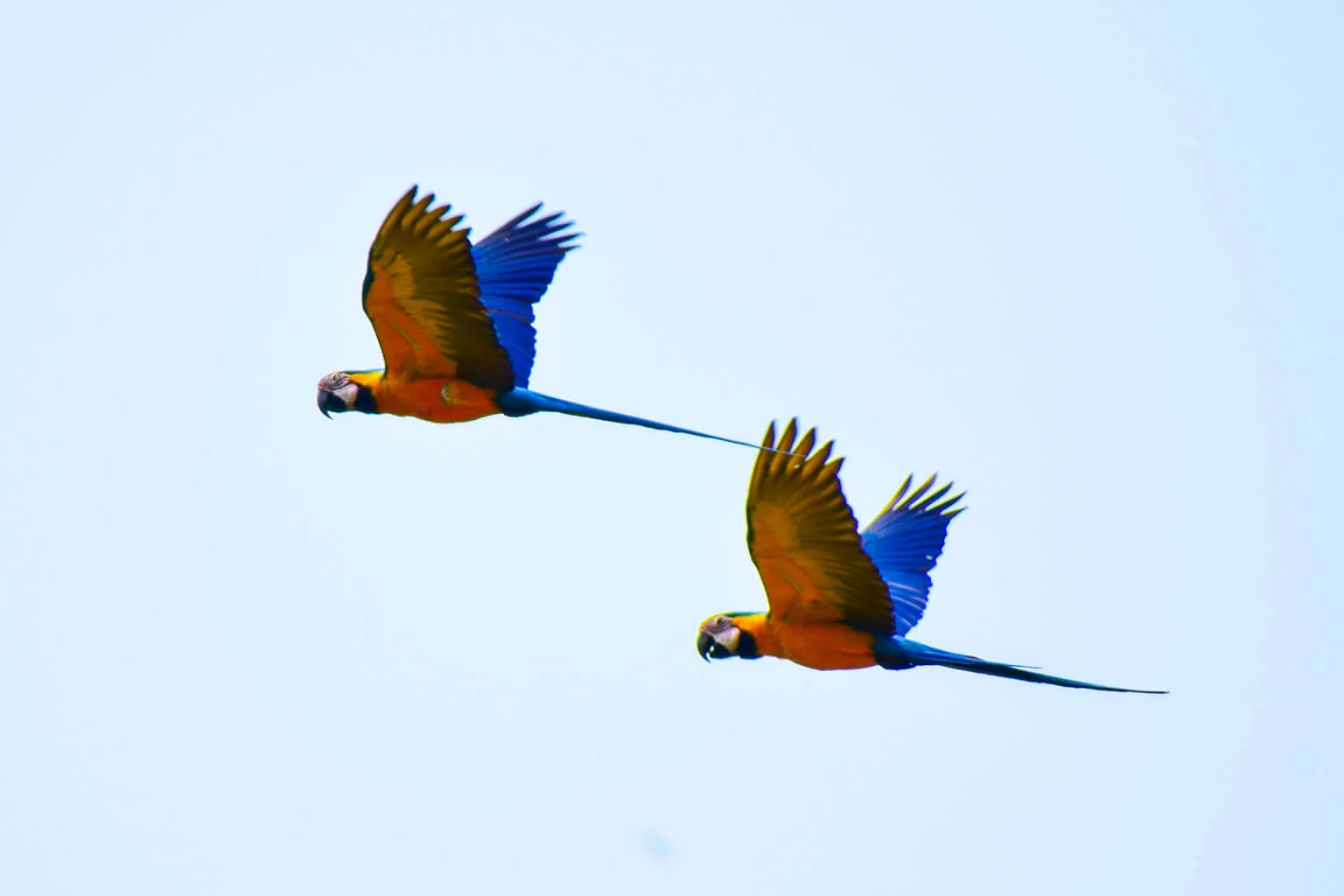
 Adam HeinenThree days of pure jungle magic This was my first jungle experience and I couldn't have chosen better. Within hours of arriving at the lodge we saw blue and yellow macaws at the clay lick, monkeys swinging through the canopy, and hoatzins on the lake. The night walk was spooky and thrilling — our guide spotted a caiman with his flashlight from 20 meters! The lodge was comfortable and the food was surprisingly great. Perfect for those who want a taste of Manu without a long commitment.Posted on Tripadvisor
 Andreas H50+ species in one day A birder's dream I've done birding tours on four continents and this was genuinely one of the best. We started at Huacarpay Lagoon at dawn and the waterfowl activity was incredible. Then the Ensifera Hummingbird Garden in the afternoon — I saw the Sword-billed Hummingbird for the first time in my life and nearly cried. José Luis had a spotting scope, knew every call, and was endlessly patient. Whether you're a serious lister or just curious, this tour is extraordinary.Posted on Tripadvisor
 Arianna CarusoCusco is incredible Even better with the right guide I only had one full day in Cusco before heading to Machu Picchu, so I wanted to make it count. Neotropic Peru's city tour was the perfect choice. We visited Sacsayhuamán, the Plaza de Armas, the cathedral, and local markets. Our guide wove together Inca history, colonial history, and modern Peruvian culture seamlessly. By the end I felt like I truly understood the city. Highly recommend as a first-day activity to set the tone for your trip.Posted on Tripadvisor
 Август КесьовWitnessing condors in the wild is something else entirely I had no idea what to expect from this tour but it was one of the most extraordinary wildlife experiences of my life. Watching Andean condors — with their enormous wingspans — soaring above the valleys was breathtaking. Our guide knew exactly where and when to position us for the best views. He also pointed out other Andean birds throughout the day. If you're even remotely interested in nature or wildlife, this is unmissable.Posted on Tripadvisor
 Witold JThe most stunning lake I've ever seen Turquoise waters surrounded by snow-capped peaks — it looked like a painting. The hike was moderate but rewarding, and our guide kept the energy up the whole way. Breakfast and lunch were both included and genuinely tasty. They even had horses available for the ascent, which was kind and thoughtful. I was nervous about altitude sickness but they had everything covered including first aid and coca leaves. Absolutely magical day.Posted on Tripadvisor
 Eugen TudorThe perfect introduction to the Andes We weren't sure if we should do the Sacred Valley or go straight to Machu Picchu — best decision we made was doing both! The Valley tour took us through Chinchero, the weaving demonstrations were fascinating, and Ollantaytambo blew our minds. Our guide never rushed us and always made time for questions. Small group, friendly atmosphere, gorgeous scenery. A must-do before Machu Picchu.Posted on Tripadvisor
 AlexanderMachu Picchu Full Day I had dreamed of visiting Machu Picchu for years, and Neotropic Peru made it everything I hoped for. The early morning train through the Sacred Valley was magical on its own. Our guide Bryan was passionate, knowledgeable, and took us to the best spots for photos. He explained the history of the Inca Empire in a way that made it all come alive. Perfectly organized from pickup to drop-off. This is the real deal — don't book with anyone else!
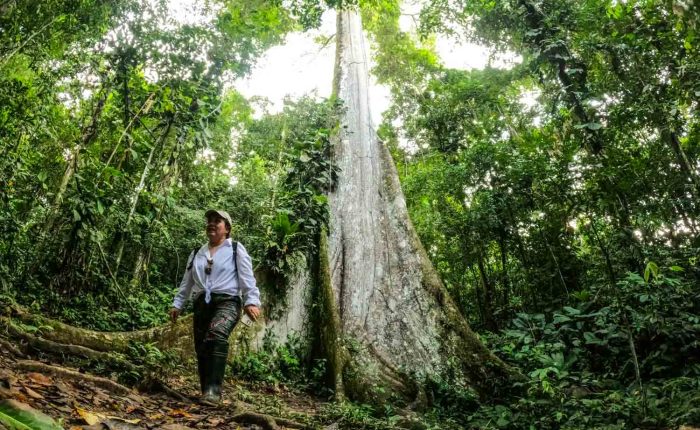
The Manu National Park Birding Tour offers an unforgettable experience through one of the world’s richest birding corridors, stretching from the Andes to the lush lowland rainforest. This transect crosses diverse habitats—high Andes, elfin forest, cloud forest, foothill forest, and swampy lowland rainforest—each with unique bird species and breathtaking landscapes. Located in southeastern Peru, Manu boasts a remarkable avian paradise with over 1,000 species recorded, making it one of the world’s premier birding destinations.
In the cloud forest, expect colorful Andean species like mixed flocks of tanagers and the rare, endemic red-and-white antpitta, often seen along the misty trails. Birding in Manu unveils an incredible diversity of birds and wildlife, contributing significantly to Peru’s megadiversity and promising an unparalleled experience for nature enthusiasts.
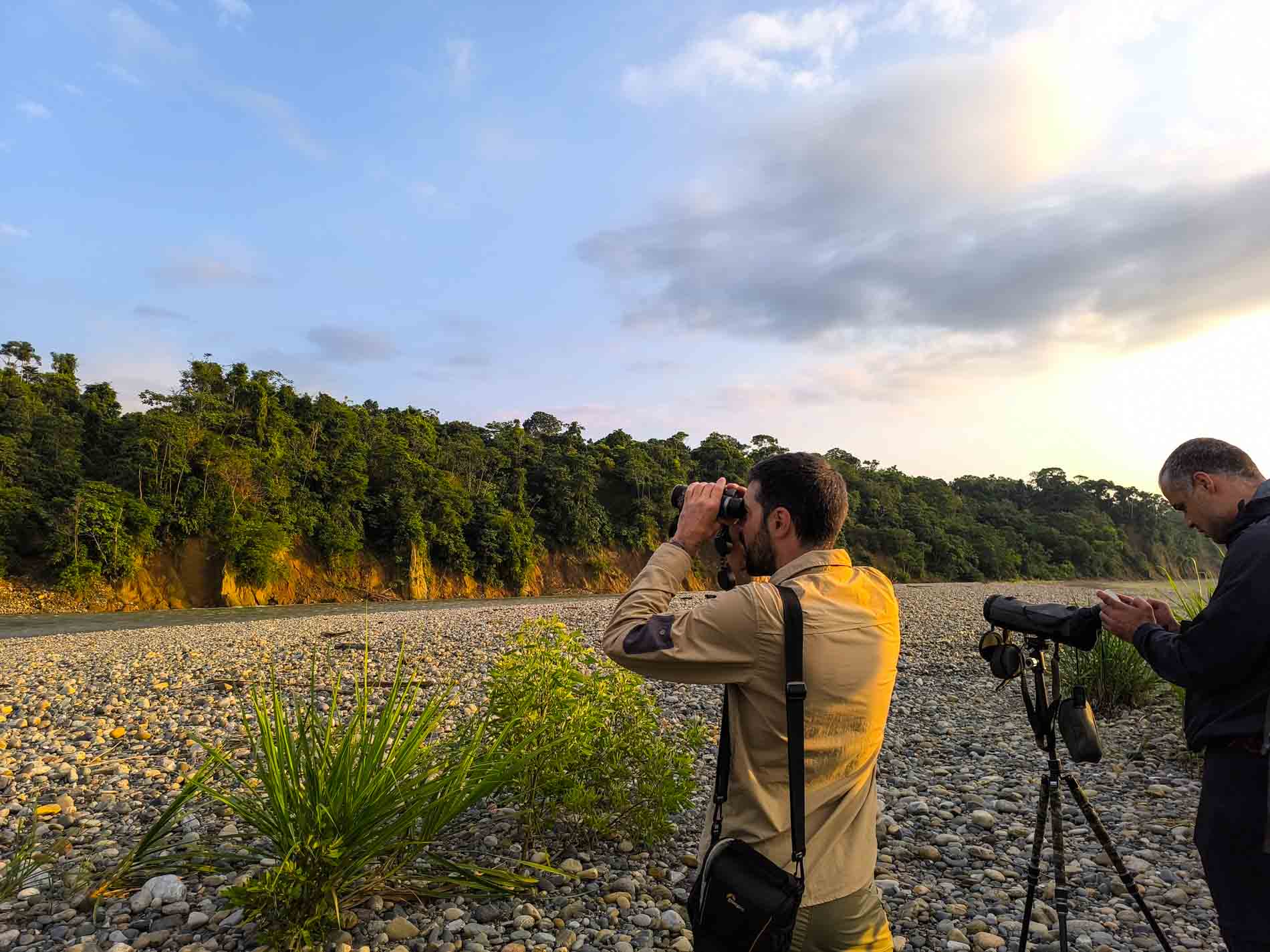

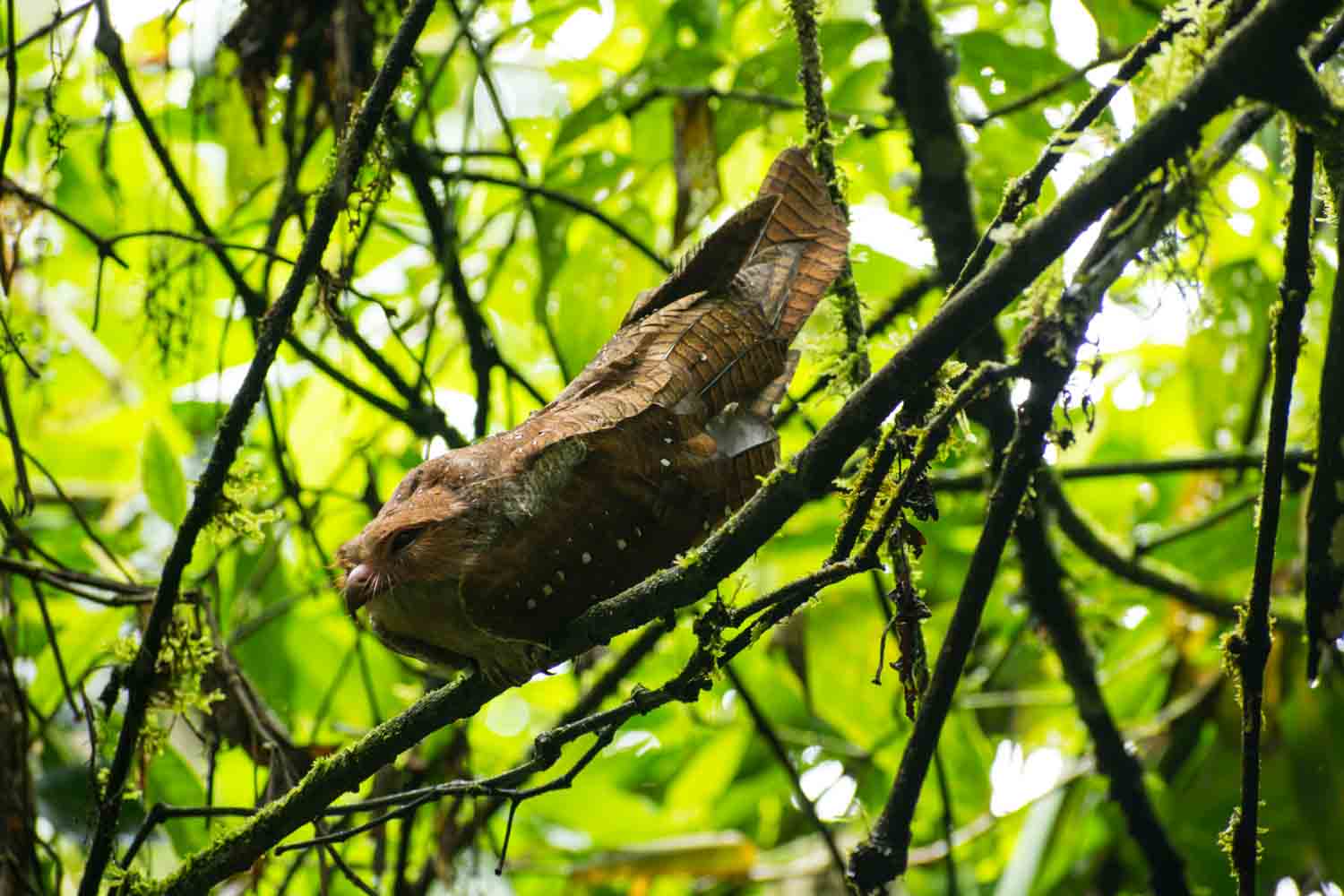
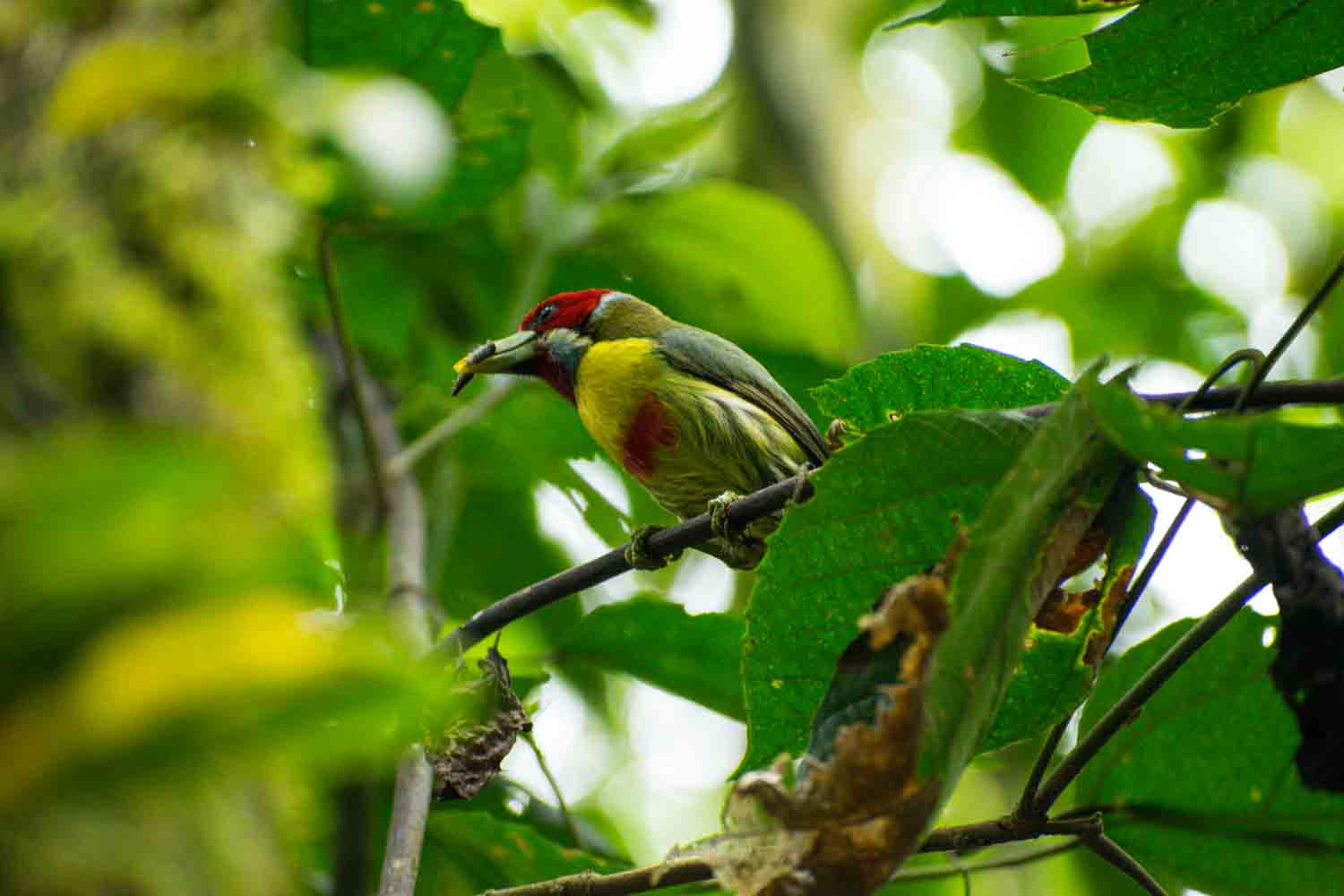
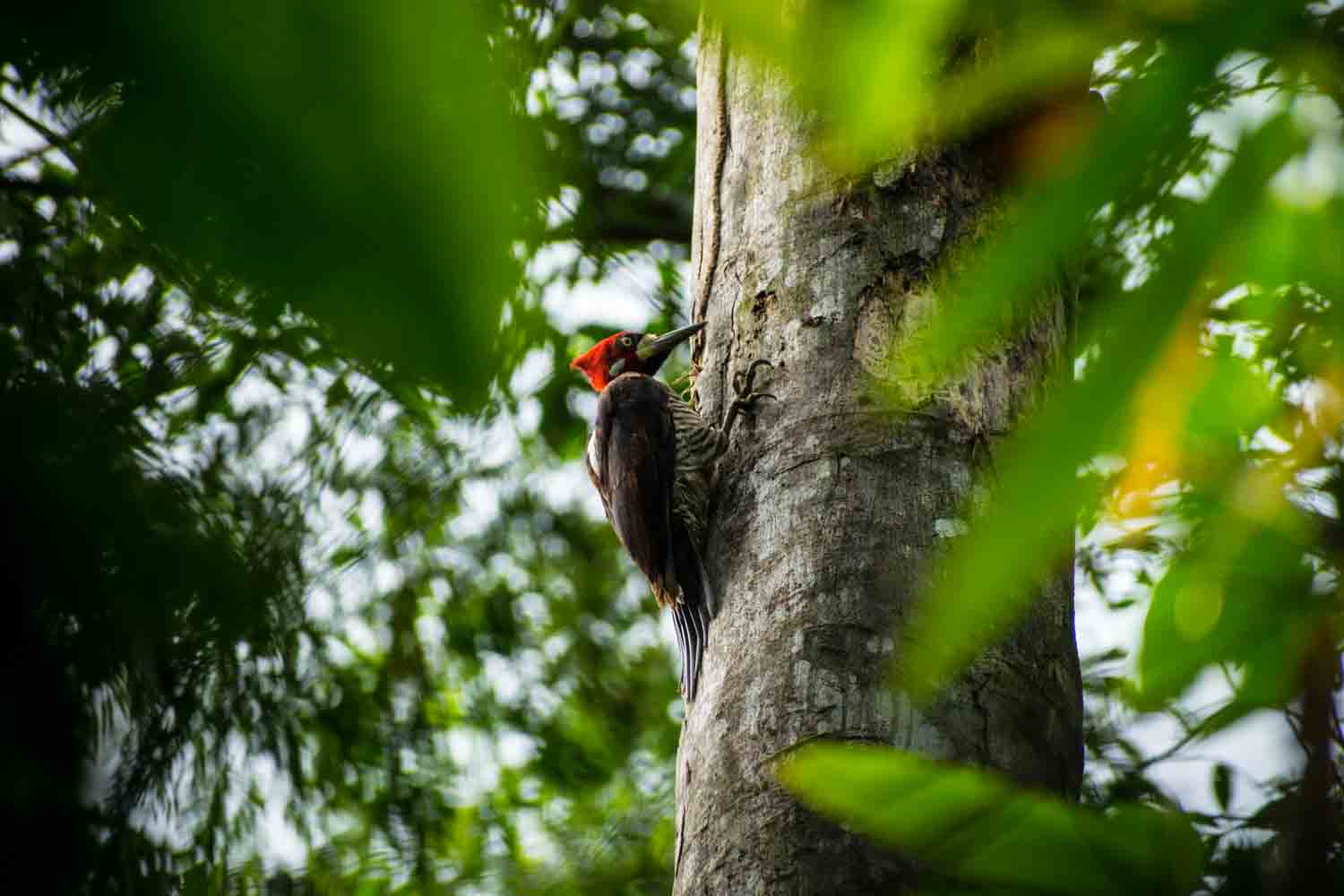
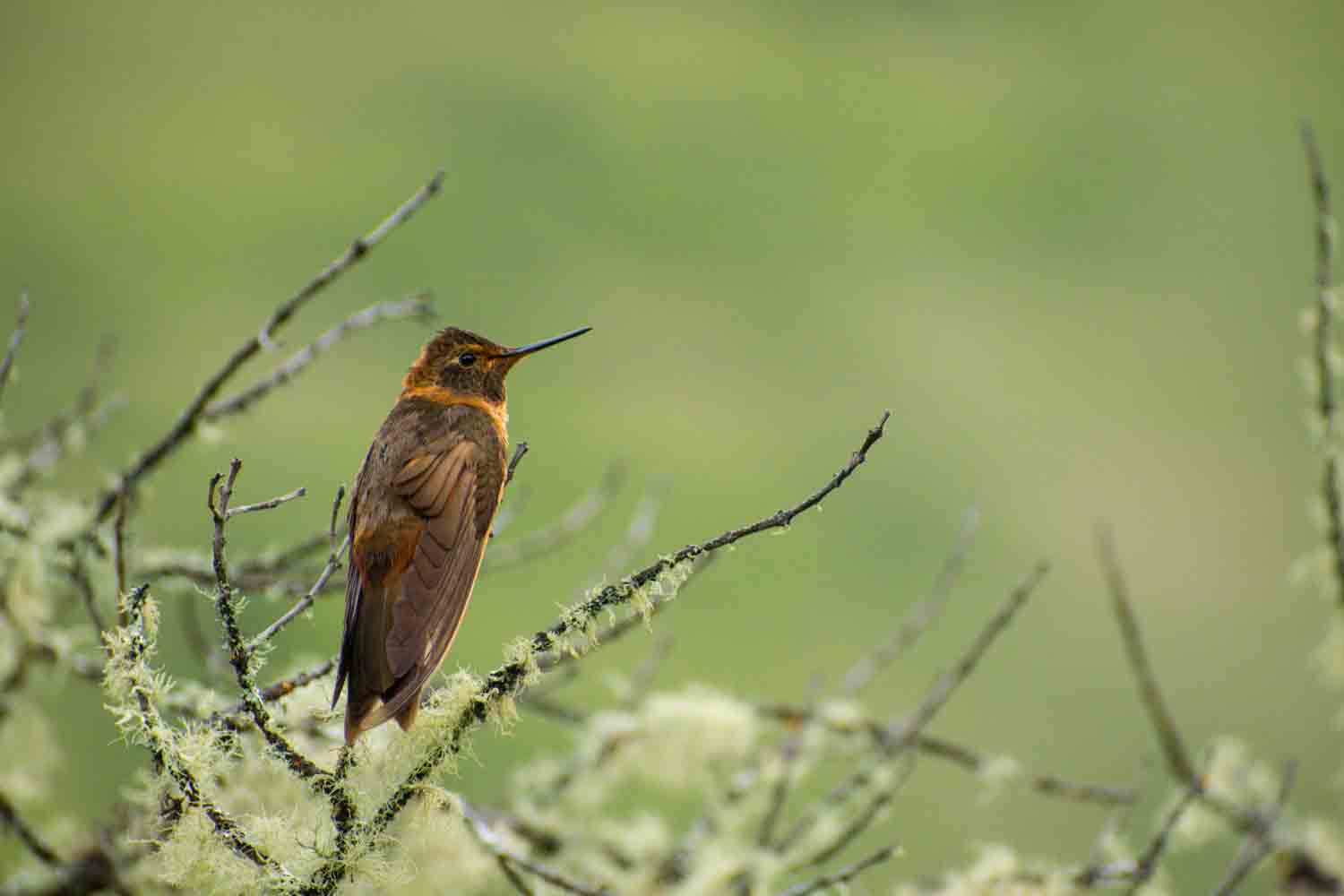
We depart Cusco early (around 5:00 AM) heading southeast toward the Manu corridor. Our first stop is Huacarpay Lake, a high Andean wetland just 30 minutes from the city and one of the best sites in the region for waterbirds. Here we search for Puna Teal, Andean Coot, Andean Duck, Puna Ibis, Plumbeous Rail, Many-colored Rush-Tyrant, and Wren-like Rushbird among the reeds and open water.
From there we continue to a private hummingbird garden near to Paucartambo -facing Andean slope, a renowned spot for the extraordinary Sword-billed Hummingbird — one of the most sought-after hummingbirds in the world — alongside the endemic Creamy-crested Spinetail, Giant Hummingbird, Shining Sunbeam, and White-tufted Sunbeam.
We then cross the Ajanaco Pass, one of the best high-puna sites in Peru. Target species here include the rare Diademed Sandpiper-Plover, Puna Ground-Tyrant, Giant Conebill and Rufous-bellied Seedsnipe. We arrive at Wayquecha Lodge in the afternoon and take an introductory walk through the elfin forest, with chances for Red-and-white Antpitta, Barred Fruiteater, and Grass-green Tanager.
We spend a full day exploring the trails around Wayquecha Lodge at approximately 2,900–3,100 m. Before dawn we walk the forest edge for nocturnal and crepuscular species including the Yungas Pygmy-Owl, Stripe-faced Wood-Quail, and Rufous-banded Owl. As light arrives, we focus on the large mixed-species flocks that are the highlight of Wayquecha — these roving groups move through the canopy and can contain Gray-breasted Mountain-Toucan, Blue-banded Toucanet, Collared Jay, Mountain Cacique, and Pearled Treerunner all in a single encounter.
The afternoon is dedicated to the most sought-after species of the lodge: the endemic Red-and-white Antpitta, best approached with playback between 5:30 and 7:00 AM, as well as the Golden-headed Quetzal — most active near fruiting ficus trees — and the spectacular Chestnut-crested Cotinga. Patient, quiet walking along the main trail consistently outperforms active searching here.
Today we begin our descent along the Manu Road, one of the great birding drives in the world, covering the full altitudinal gradient from roughly 2,900 m down to 1,500 m. In the upper section we look for the Urubamba Antpitta, Gray-breasted Mountain-Toucan, Chestnut-crested Cotinga, and Masked Fruiteater. As the vegetation becomes denser in the mid cloud forest zone (2,200–1,800 m), the species list shifts to Golden-headed Quetzal, Stripe-faced Wood-Quail, Blue-banded Toucanet, Yungas Pygmy-Owl, Greater Scythebill, and Collared Jay.
The climax of the day is the Andean Cock-of-the-rock lek around 1,500 m. Peru’s national bird performs its extraordinary display at dawn and again in the late afternoon between 16:00 and 17:00. We observe quietly from a distance in neutral colours — the experience of watching the brilliant scarlet males displaying in the forest understory is unforgettable.
Continuing our descent from approximately 1,500 m down to 500 m, we make an extended stop at the hummingbird feeding station in the lowland — one of the most species-rich hummingbird sites along the entire corridor. Here we expect Wire-crested Thorntail, Peruvian Piedtail, Violet-fronted Brilliant, Green Hermit, Many-spotted Hummingbird, White-bellied Woodstar, Wedge-billed Hummingbird, Speckled Hummingbird, and the common Sparkling Violetear, often all present simultaneously.
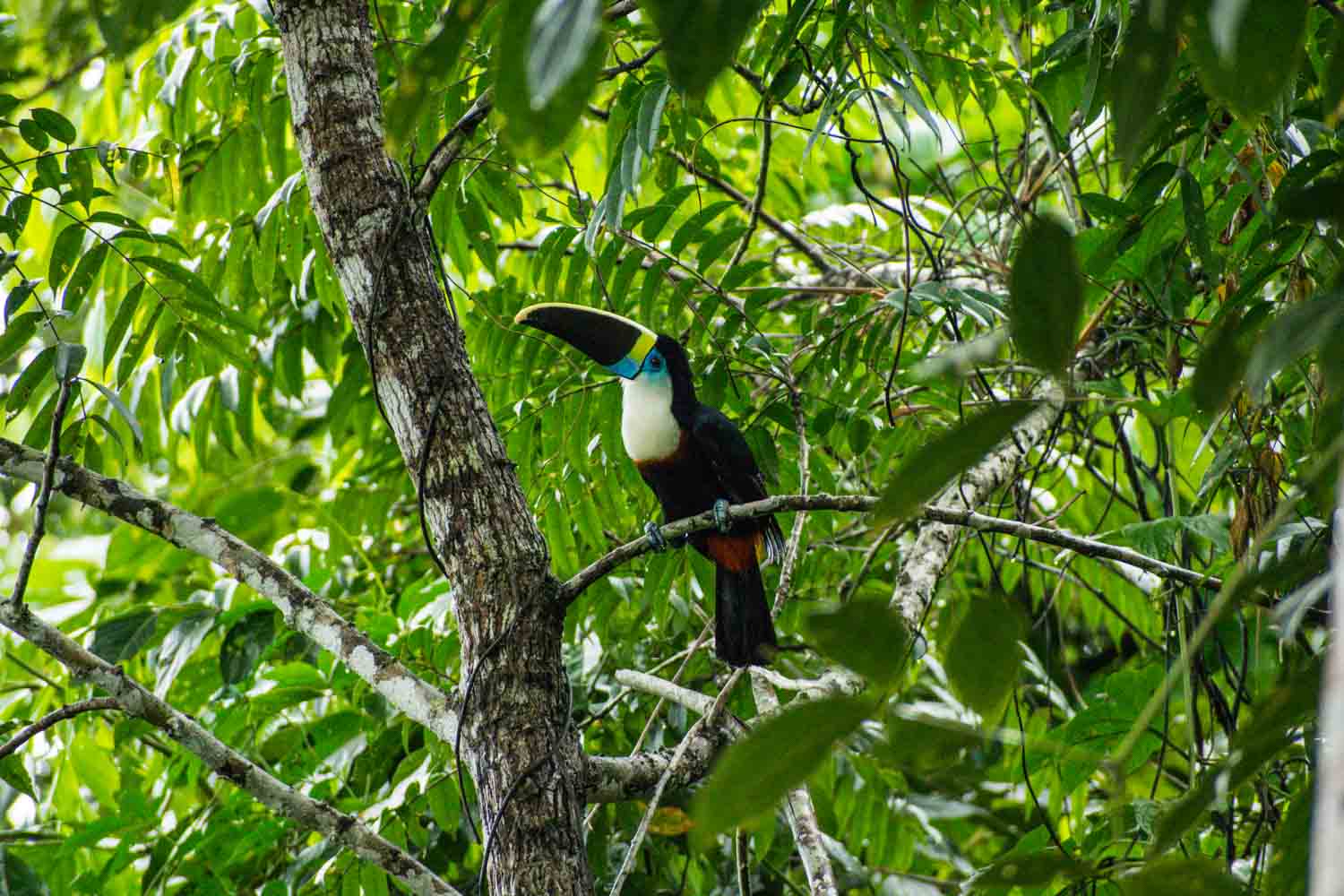
As we continue down, we make regular stops at river bridges, streams, and forest clearings where White-throated Toucan, Lemon-throated Barbet, and Fasciated Antshrike begin to appear. We arrive at the Manu Bio Lodge in the afternoon or night explore the trails around the grounds.
We set out before dawn to walk the forest trail to Machuwasi, an oxbow lake in the Amazon lowlands. The trail itself is excellent for Amazonian understory species including Amazonian Antpitta, Rufous-breasted Piculet, Cabanis’s Spinetail, Black-faced Antthrush, and Ringed Antpipit. Arriving at the lake at first light, we are welcomed by the noisy and prehistoric-looking Hoatzin, alongside Horned Screamer, Black-capped Donacobius, Orange-backed Troupial, Red-capped Cardinal, Blackish Rail, Pale-eyed Blackbird, Rufous-sided Crake, and Black-billed Seed-Finch.
We then explore the várzea forest fringing the lake, which offers excellent opportunities for Gray Antwren, Pink-throated Becard, Scarlet-hooded Barbet, Rusty-belted Tapaculo, and Black-faced Antthrush. If a canoe is available, paddling along the lake shore opens up sections rarely visited and increases chances of spotting other mammals. We return to the lodge in the afternoon for a checklist review and evening relaxation.
After the breakfast we begin the return drive to Cusco, making strategic stops along the Manu Road to chase any species still pending from the descent. The road is equally productive going up, and morning conditions on the ascent are often clearer than on the way down. We arrive in Cusco around 16:00.
Yes, an experienced birding guide will accompany you, providing insights into the species and ecosystem.
The best time for birdwatching is during the dry season (May to October), though the tour operates year-round and offers unique sightings each season.
Absolutely! This tour is suitable for all levels of birdwatchers, from beginners to experienced birders.
Yes, there are dining options available for vegans, vegetarians, and other dietary requirements. Please let us know in advance, and we’ll provide recommendations and assist with any special arrangements.
We understand that each traveler has unique preferences. While our tours are thoughtfully designed, we can discuss options for customization. Contact our team, and we’ll work together to create a personalized itinerary that suits your interests.