+51 986 002 962
info@neotropicperu.com

Six days. Four ecosystems. One of the wildest corners of the Peruvian Amazon.
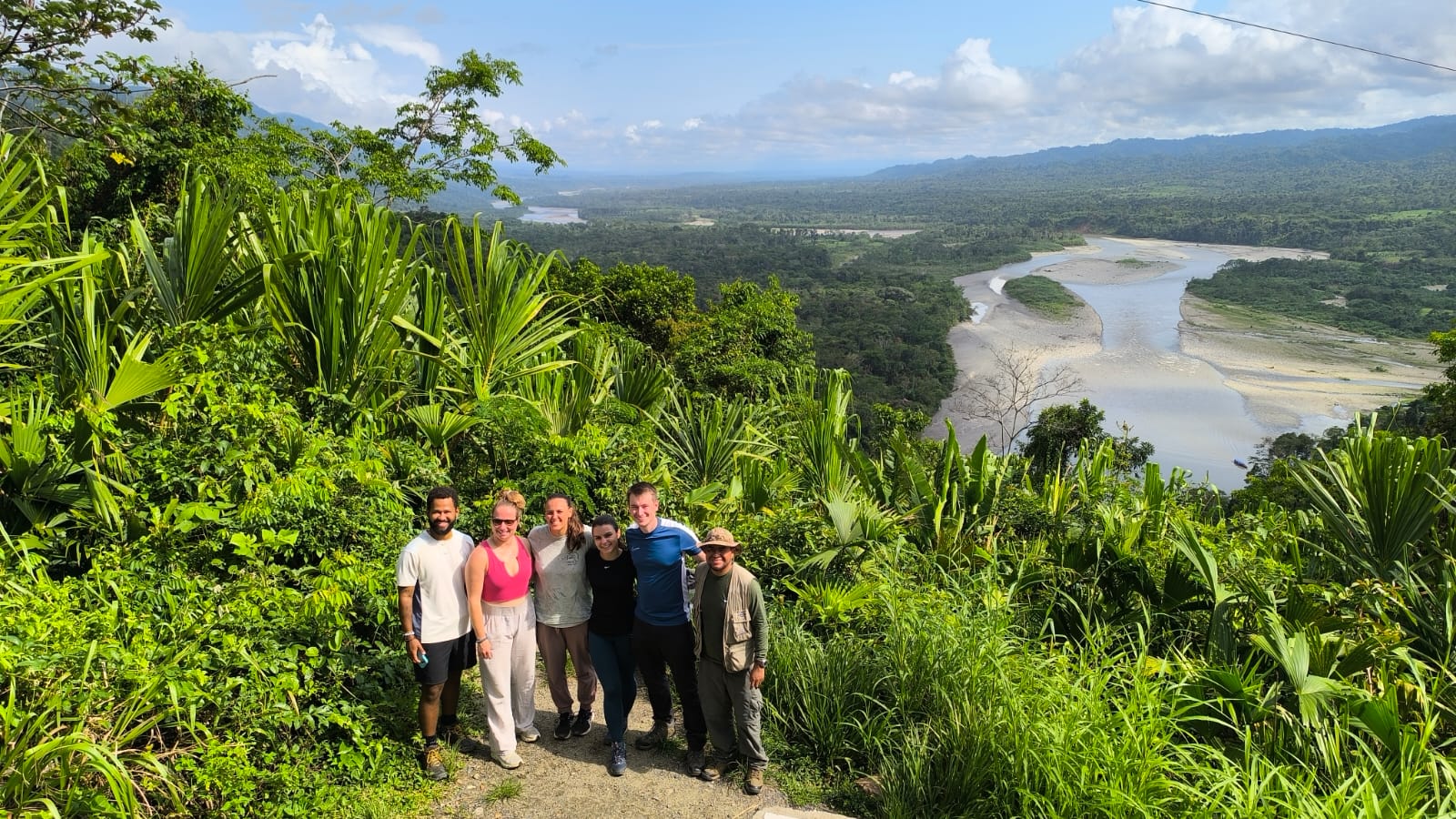
The Manu Reserved Zone Tour takes you from the high Andes of Cusco to the heart of Manu National Park, a UNESCO Biosphere Reserve where the forest still feels untouched. You will cross a mountain pass above 3,500 m, descend through mossy cloud forest, then follow the Alto Madre de Dios and Manu rivers by boat, deeper and deeper into the jungle, until you reach the Reserved Zone, where access is regulated and visitor numbers are kept low.
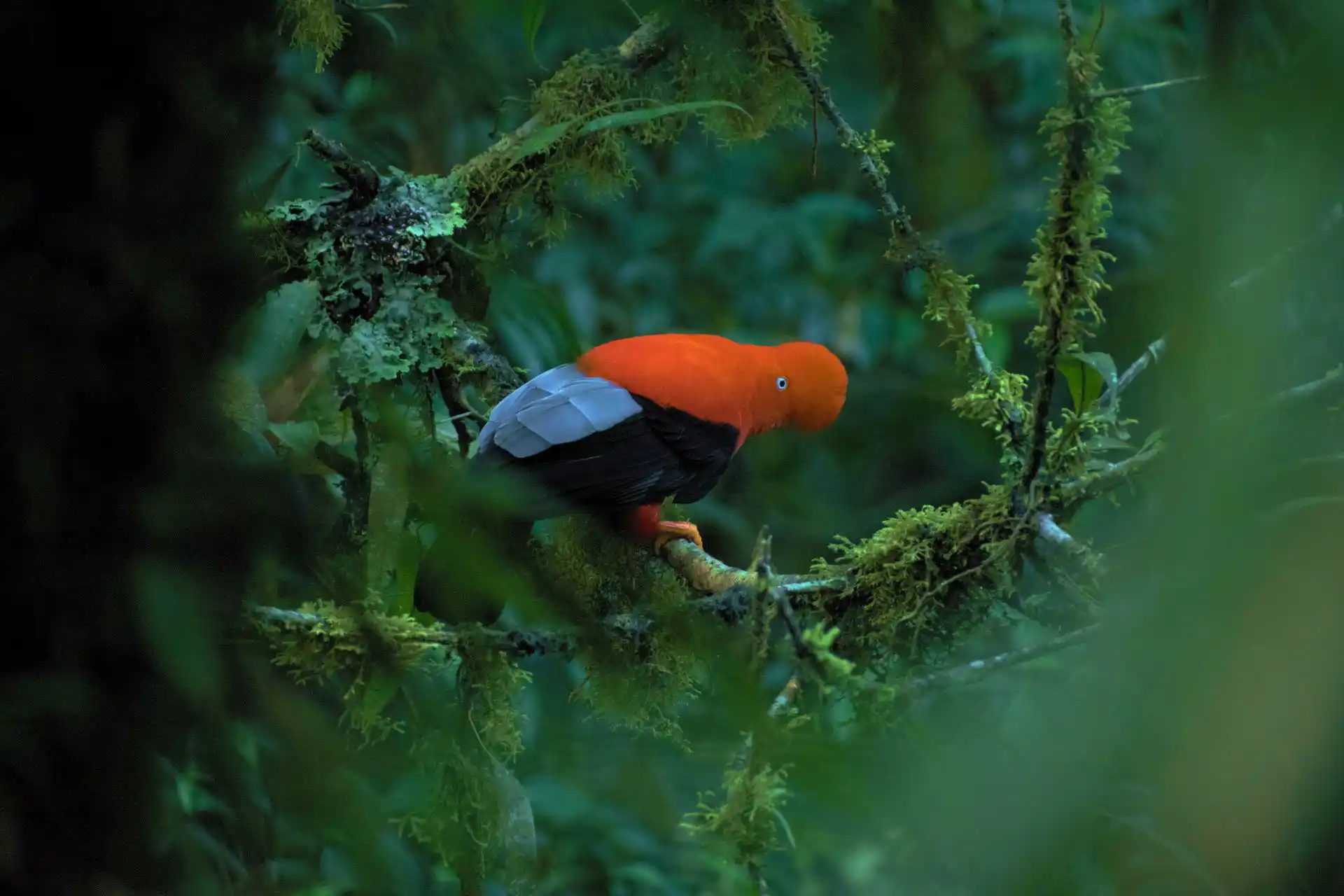
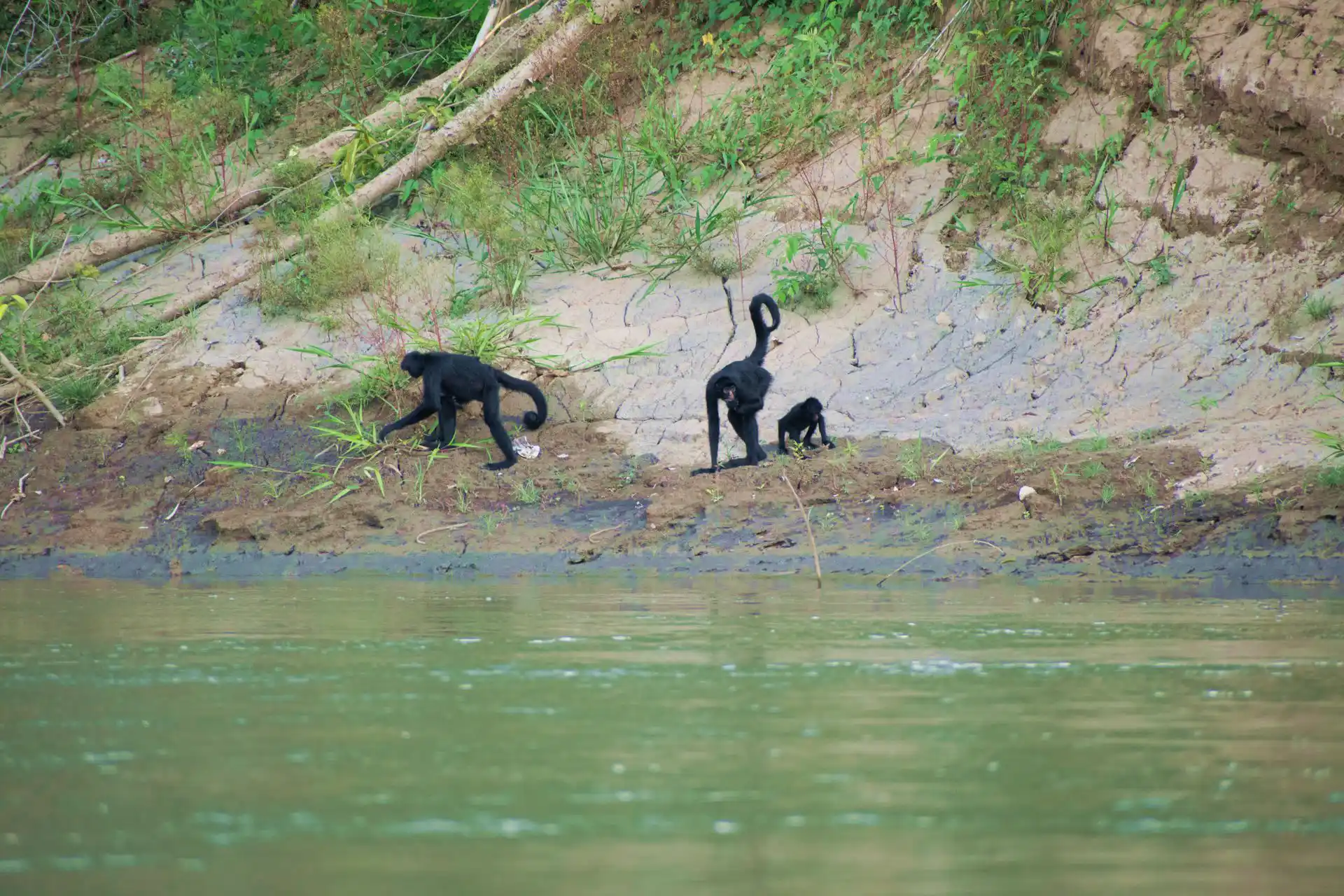
Along the way, the days are built around wildlife and people. You will watch Andean cock-of-the-rocks, Peru’s national bird, perform at their display ground. You will drift past caimans, capybaras, turtles and monkeys, search for giant river otters from a 20-metre tower and from a quiet catamaran, and watch macaws and parrots gather at a clay lick. Two nights are spent at Casa Matsiguenka, a lodge managed by the native Matsiguenka community, where you will learn how people live with and protect this forest.
This is a tour for nature lovers, birders, photographers and curious travellers who want a real Amazon expedition, not a short jungle excursion. It is physically easy to moderate, but it asks for patience, a sense of adventure, and a willingness to disconnect. Our guides are local specialists who know the trails, the rivers and the habits of the animals, and who adapt each day to the weather and to what the forest is offering.
Why the Reserved Zone? Because it is where Manu feels like Manu. With fewer people, more space and a longer river journey, wildlife is more relaxed and sightings are richer. It takes more time and effort to get here, and that is exactly why it is special.
From the Andes to the edge of the jungle in a single, unforgettable day.
Your guide meets you at your Cusco hotel early morning. As the city fades behind you, the road begins to climb through the highlands. After about an hour and a half we stop at Ninamarca, where weathered stone chullpas, pre-Inca burial towers, stand in open grassland. It is a quiet, atmospheric start, and a chance to hear about the cultures that lived here long before the Incas.
Next comes Paucartambo, a colonial town known across Peru for its folklore and festivals. We have breakfast here (optional) before the road climbs again to Acjanaco Pass, above 3,500 m. The air is thin and cold, and a short walk leads to a viewpoint over the Manu Biosphere Reserve, with ridge after ridge of green falling away toward the lowlands. Traditionally, travellers have made small offerings to the apus, the mountain spirits, at this spot before heading down. Your guide will tell you more.
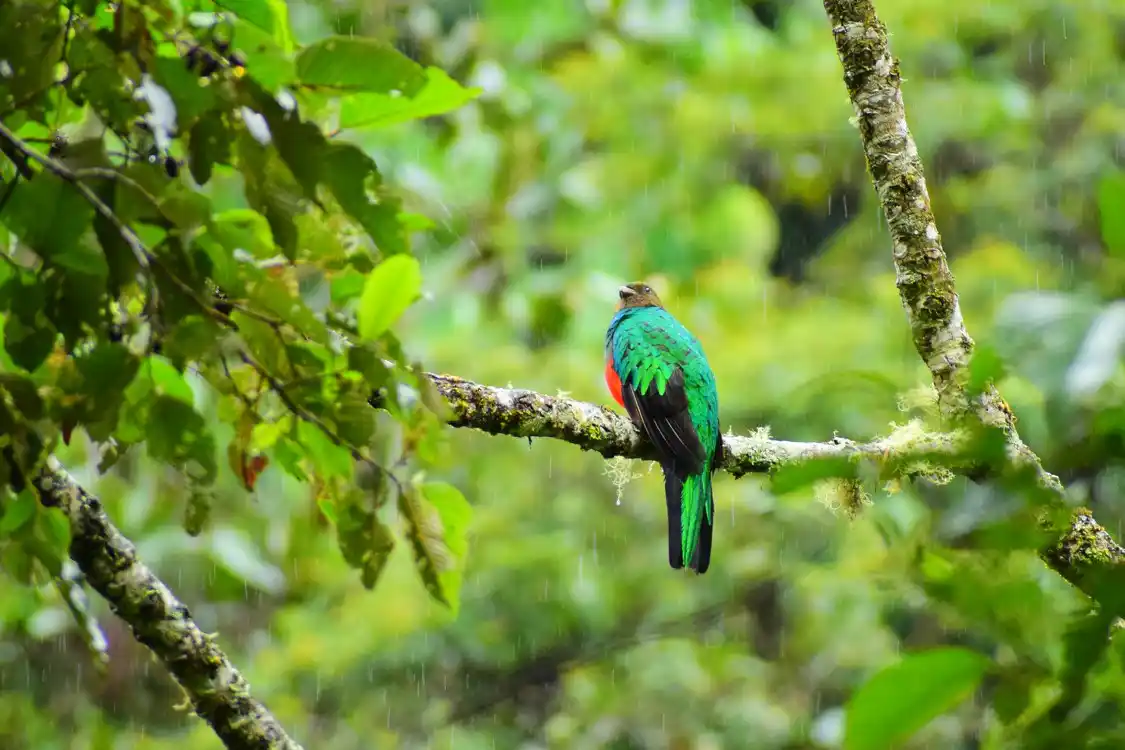
From the pass we descend into the cloud forest, and the change is dramatic. Bare grassland gives way to moss-draped trees, giant ferns, bromeliads and orchids. We stop often and without hurry, looking for tanagers, hummingbirds, toucans and, with luck, trogons and quetzals. Lunch is in the middle of the forest.
The highlight of the afternoon is the cock-of-the-rock viewpoint. The males, with their vivid orange-red plumage and rounded crests, gather at a traditional display ground to compete for the attention of females. It is noisy, theatrical and unforgettable. We reach our lodge around 5:00 p.m., where you have time to settle in, shower and relax before dinner and a briefing about the next day.
What you may see: Andean cock-of-the-rock, woolly monkeys, tanagers, hummingbirds, toucans, trogons, orchids, giant ferns.
At a glance: easy to moderate · 9 to 10 hours of travel with stops · overnight at Bamboo Lodge, cloud forest, approx. 700 m.
Guide’s tip: keep a light layer within reach. It is cold at the pass and warm and humid in the cloud forest.
The road ends and the river takes over.
After breakfast, We then drive to Atalaya port, where you receive life jackets and rubber boots and meet your boat driver and crew. From here, the journey continues on water.
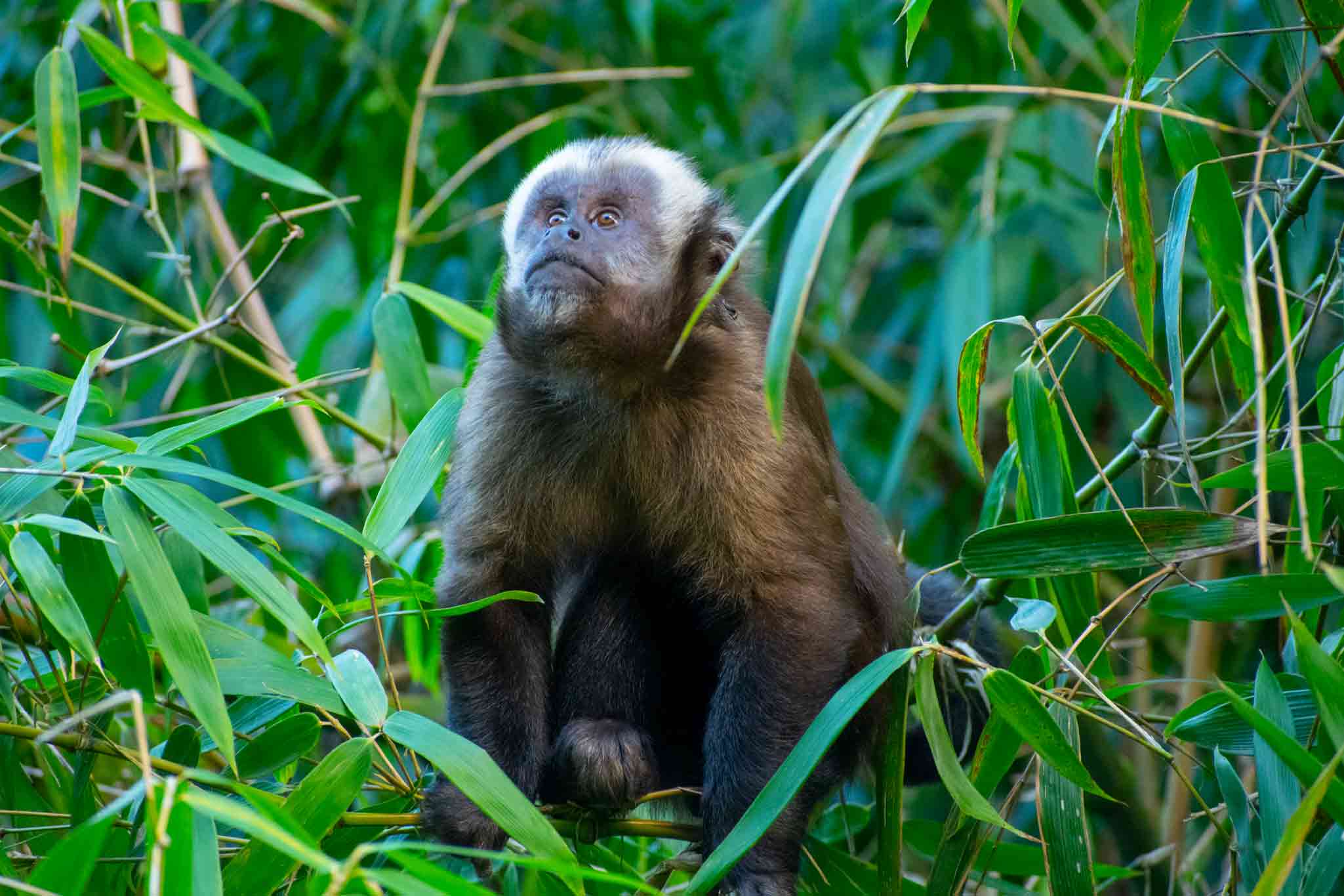
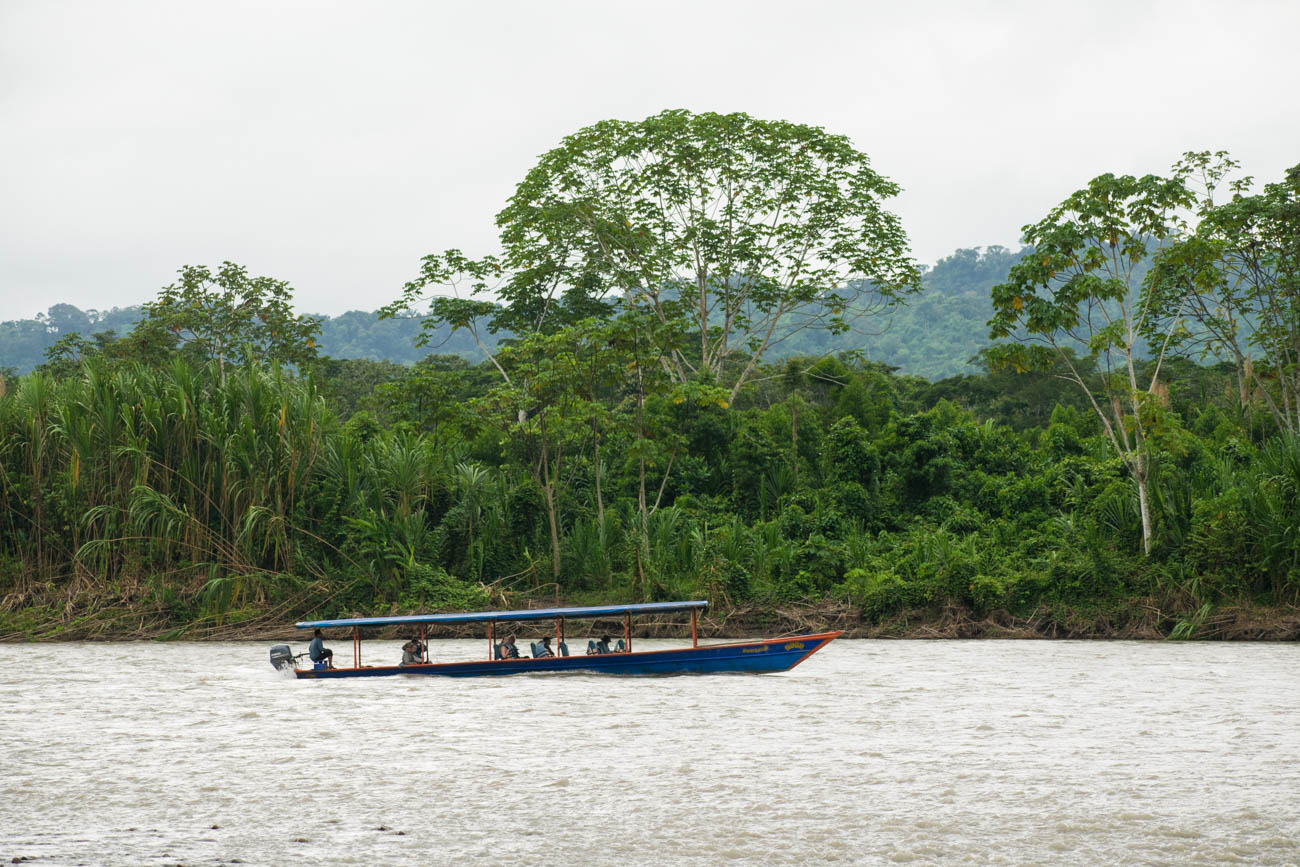
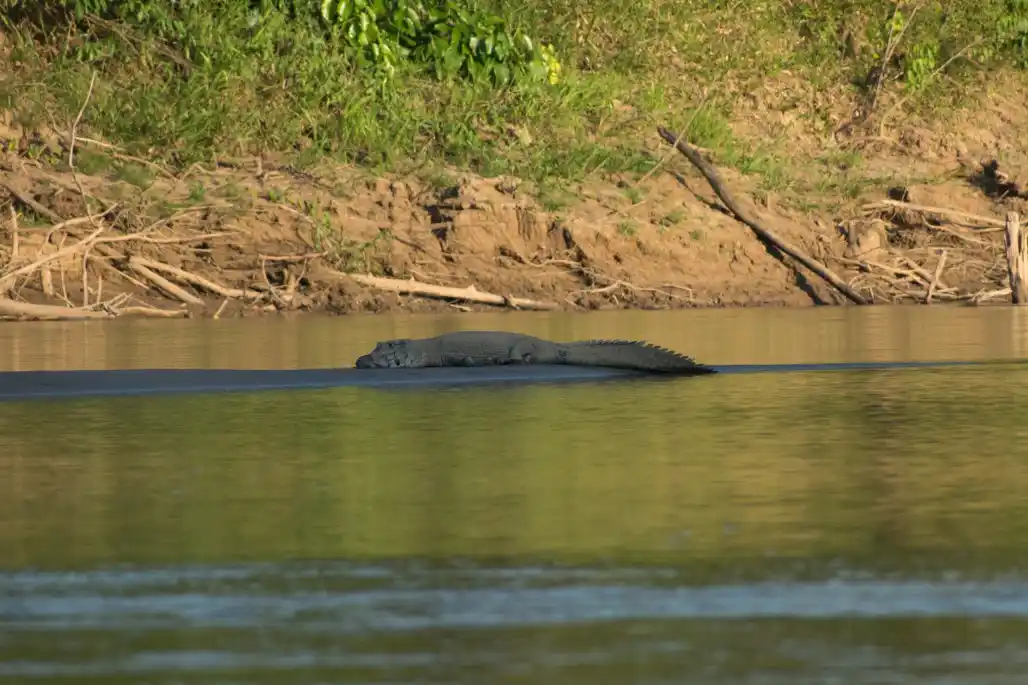
For the next hours we follow the Alto Madre de Dios River, one of the main tributaries of the Peruvian Amazon. Mornings are the best time for wildlife: macaws flying in pairs, kingfishers diving for fish, capuchin monkeys in the treetops and caimans basking on the sandbanks. The guide will point things out and the boat driver will slow down for photos.
Around midday we stop at the Shintuya hot springs. Warm pools surrounded by tropical vegetation make a welcome break, and we have a lunch here. In the afternoon we continue by boat to our lodge in the lowland forest, arriving around 4:30 p.m.
After dinner, we set out on the first night walk. The forest after dark is a different world: frogs calling from the undergrowth, insects of every shape, sleeping birds and the occasional mammal moving through the trees. A short briefing on the next day’s plan closes the evening.
What you may see: macaws, kingfishers, capuchin monkeys, toucans, caimans, frogs, nocturnal insects.
At a glance: easy · 4 to 5 hours by boat · overnight at Manu Rainforest Dorado Lodge, approx. 450 m.
Guide’s tip: the hot springs are a great place to wear a swimsuit and sandals. Bring both.
Giant otters, black caimans and a lodge run by the people of the forest.
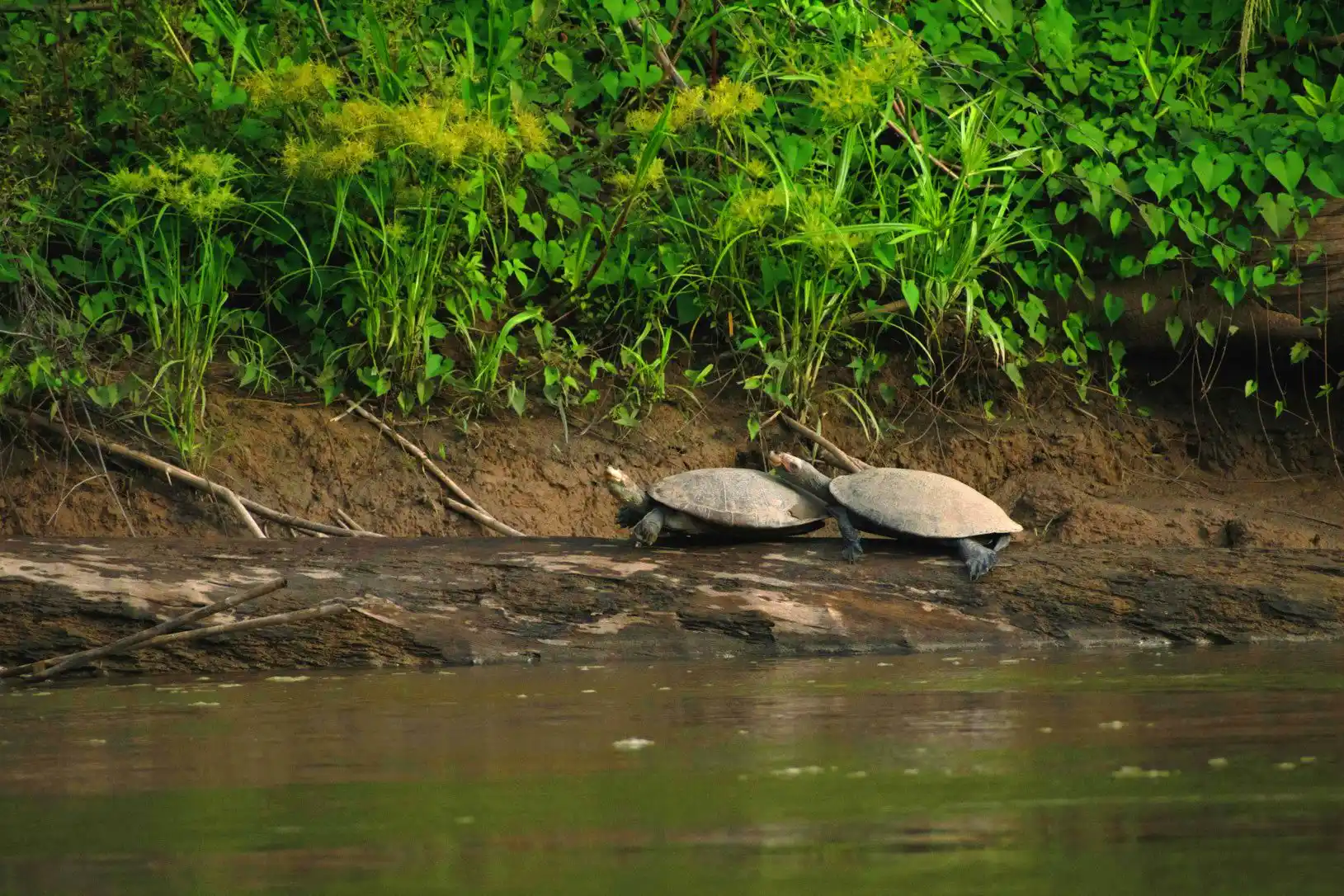
We leave early, when the animals are most active. At the Limonal checkpoint we register to enter the Manu Reserved Zone, and from here the river widens and the forest feels wilder. Watch the banks closely: turtles stacked on logs, white and black caimans (the latter can reach about 4 metres), a huge variety of birds and, with luck, a jaguar resting in the shade.
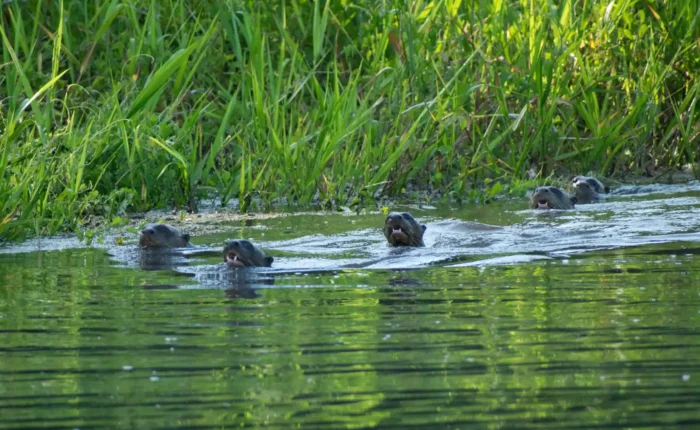
After lunch we visit Cocha Otorongo, a crescent-shaped oxbow lake. A 20-metre observation tower gives you a view over the water and the canopy, and it is one of the best places in Manu to watch giant otters. These endangered animals live in family groups and eat several kilos of fish every day, so they are constantly active, noisy and fascinating to watch. A zoom lens is very useful here.
In the late afternoon we arrive at Casa Matsiguenka, a lodge built with local materials and managed by Matsiguenka communities. It is simple and comfortable, powered by solar panels, and set in the heart of the Reserved Zone. After settling in, you can join an optional night walk in search of frogs, spiders, snakes and other nocturnal life. We share dinner at the lodge and fall asleep to the sounds of the forest.
What you may see: giant otters, black and white caimans, turtles, macaws, toucans, howler monkeys, capybaras, possibly jaguar.
At a glance: moderate · 5 to 6 hours by boat · overnight at Casa Matsiguenka, approx. 350 m.
Guide’s tip: bring a hat and sunscreen for the boat. The reflection off the water is stronger than it looks.
A full day inside the forest, with time to slow down.
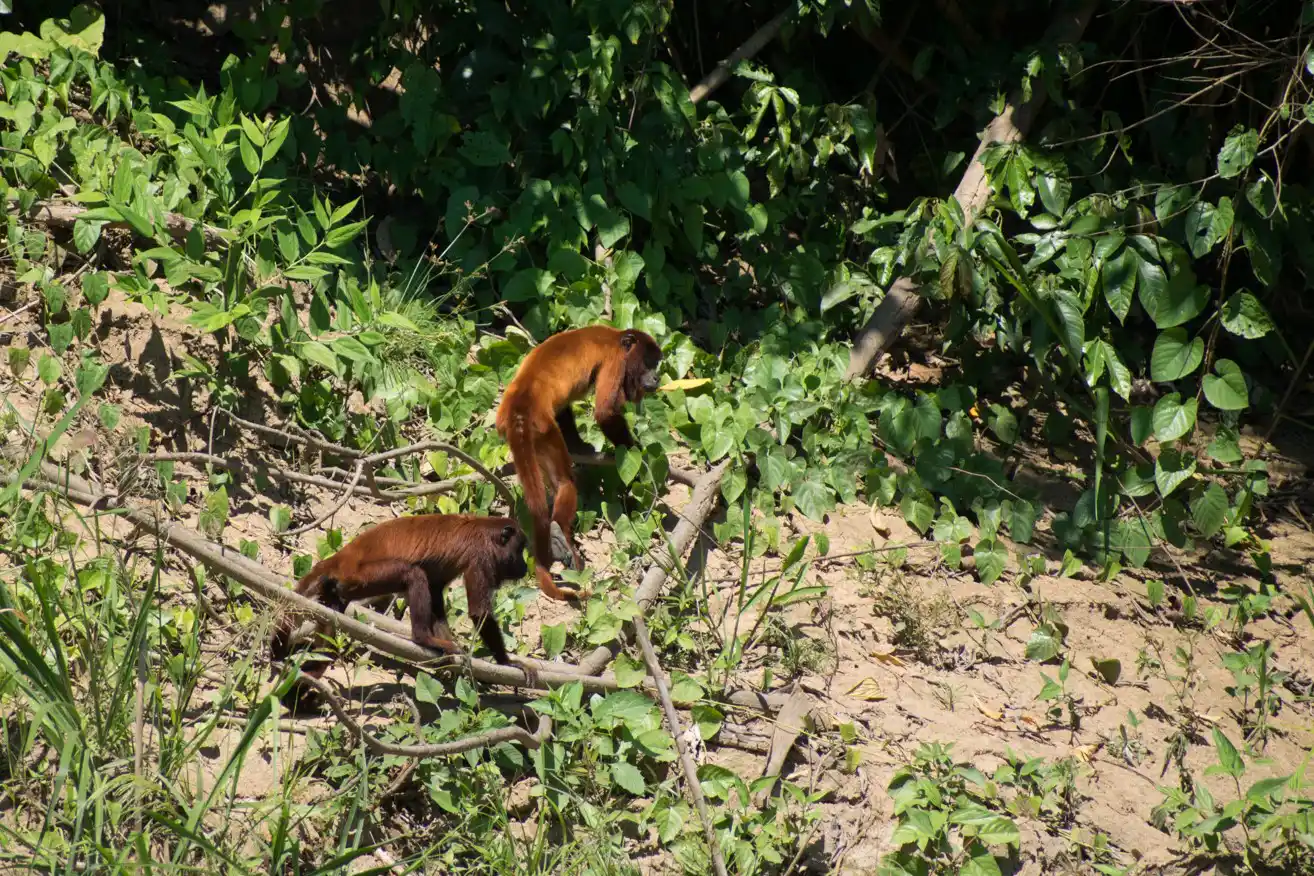
After breakfast we head to Cocha Salvador, one of the most iconic lakes in Manu. Here we board a catamaran and glide quietly across calm water, which is the best way to see giant otter families fishing and playing along the shore. Howler monkeys call from the trees, herons wait at the edge and caimans watch from the banks.
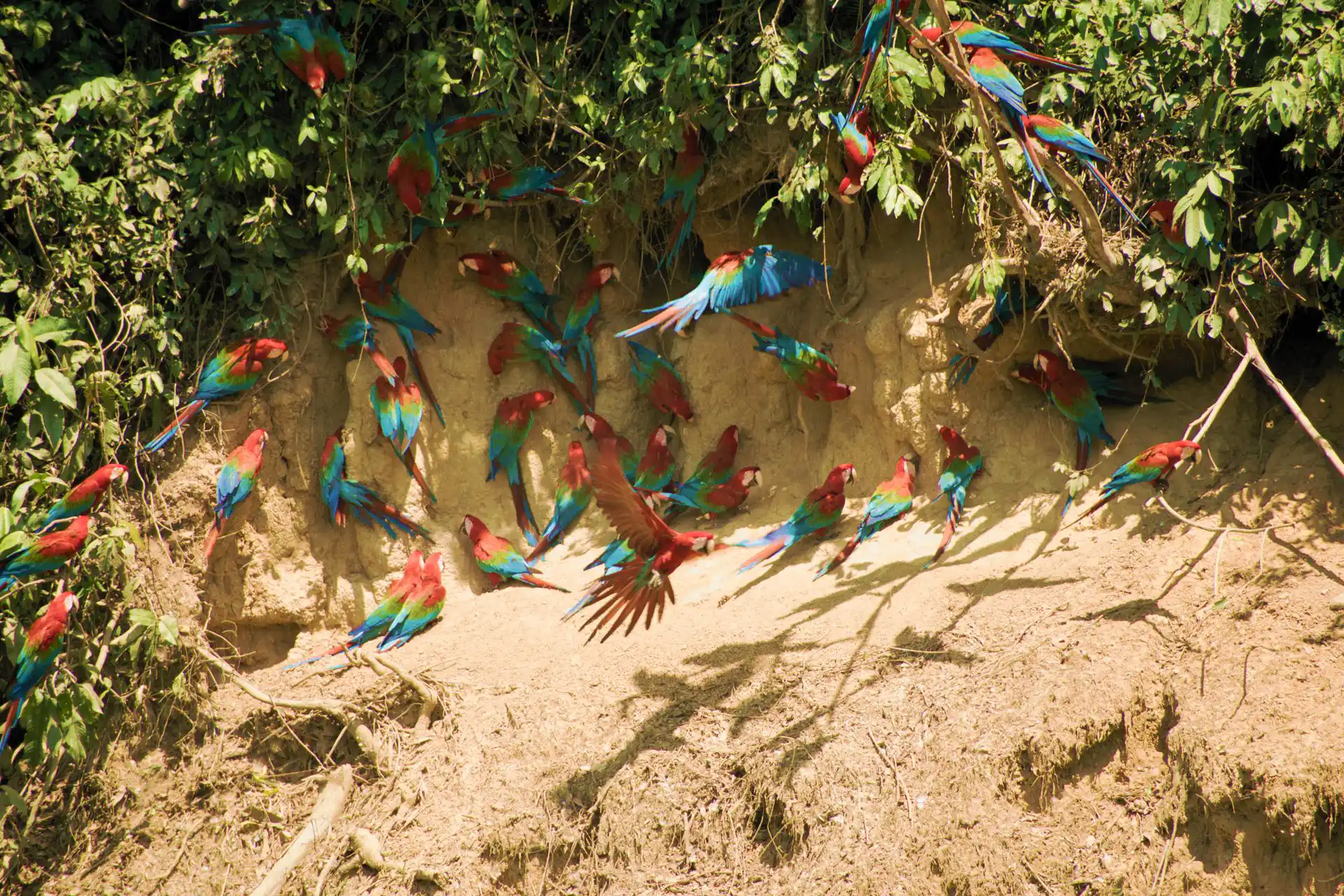
We then visit the macaw and parrot clay lick, where colorful birds gather to feed on mineral-rich clay. Even if you are not a birder, the movement, noise and color are hard to forget. Back at the lodge we have lunch and a short rest.
In the afternoon, a guided walk through the aguajal, a palm swamp full of life, takes us under giant ceiba and fig trees and past medicinal plants used by local people. We look for monkeys (several species live here), sloths and birds. Later, we spend time with the Matsiguenka community to learn about their traditions and their deep connection with the forest. This is a respectful exchange, and your visit directly supports the community that manages the lodge.
After dinner, a second night walk of around two hours reveals a new set of animals: frogs, snakes, owls, nightjars and insects that only appear in the dark.
What you may see: giant otters, howler monkeys, sloths, Agami heron, macaws, parrots, caimans, tree frogs.
At a glance: moderate · approx. 5 to 10 km of walking and short boat rides · overnight at Casa Matsiguenka.
Guide’s tip: keep your camera ready but also spend a few minutes just watching and listening. It is easy to miss the forest when you are behind a lens.
A long, slow river day with chances for wildlife until the last minute.
We say goodbye to Casa Matsiguenka and leave early, with breakfast on board. The morning calm makes this a good time for spotting jaguars, tapirs, birds and monkeys along the banks, and the guide stays alert for anything that moves.
The river carries us downstream, back through the Alto Madre de Dios, with stops whenever something interesting appears. In the afternoon we reach Amazon Dorado Lodge for a relaxed evening, a farewell dinner and an optional night walk.
There is time today to rest, organize photos and talk with your guide about what you have seen. For many travellers, this quieter day ends up being one of the most memorable.
What you may see: jaguar (possible), black caiman, capuchin monkeys, toucans, turtles, macaws.
At a glance: easy · 5 to 6 hours by boat · overnight at Amazon Dorado Lodge, approx. 400 m.
Guide’s tip: keep a small dry bag for your camera and phone. The river can splash and the weather changes quickly.
From the jungle back to the Andes.
After breakfast, a short boat ride takes us to Atalaya, where our private vehicle is waiting. The road climbs back through the cloud forest and over the Andes, with a lunch stop along the way. We aim to reach Cusco around 6:30 p.m. dropping you at your hotel or at the airport if you prefer.
We recommend booking your onward flight for the next day. Road and river conditions in Manu can cause delays, and we want you to arrive at your next destination relaxed.
At a glance: easy · 9 to 10 hours of travel with stops · tour ends in Cusco.