Understanding Manu’s Two Tourist Zones
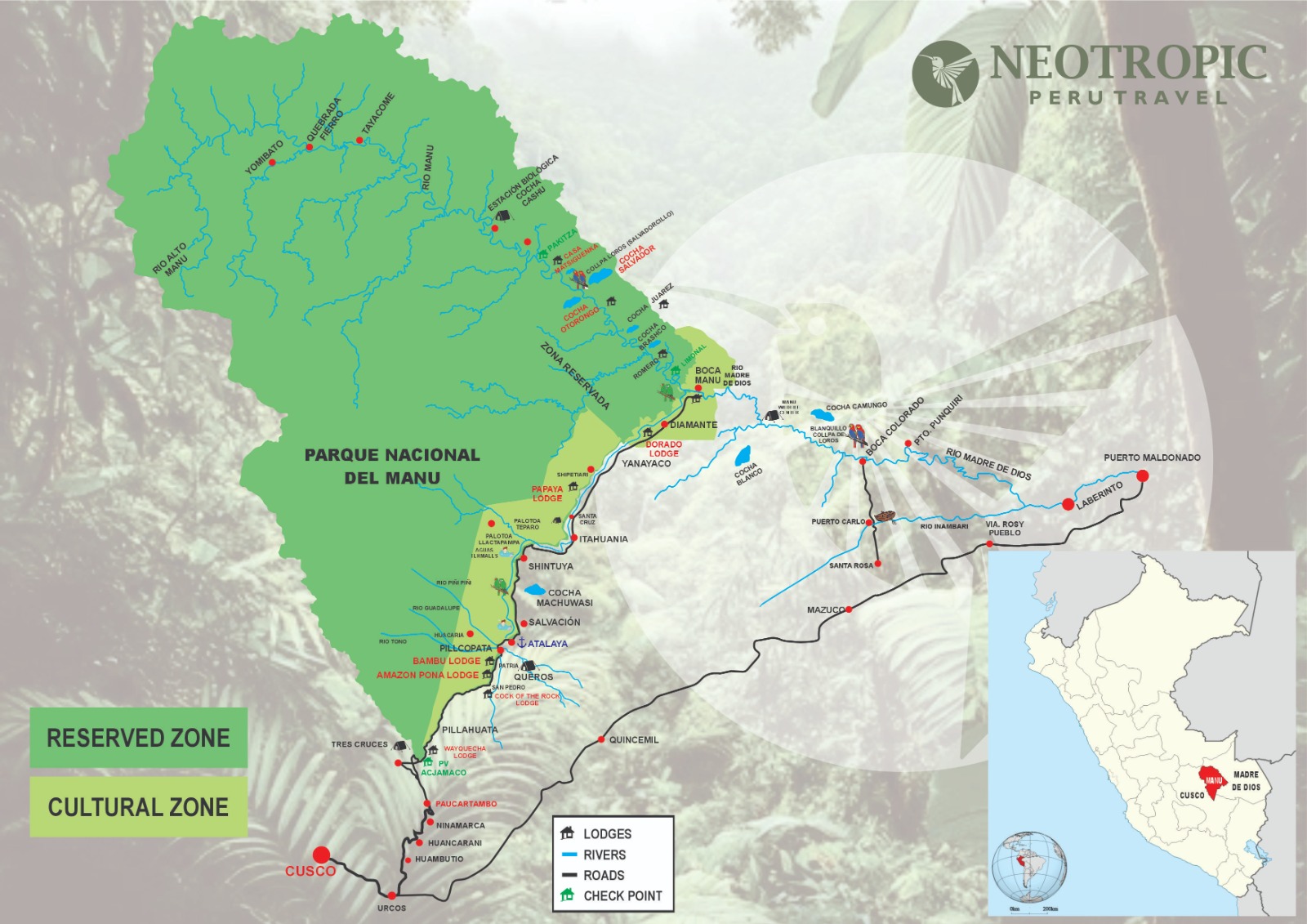
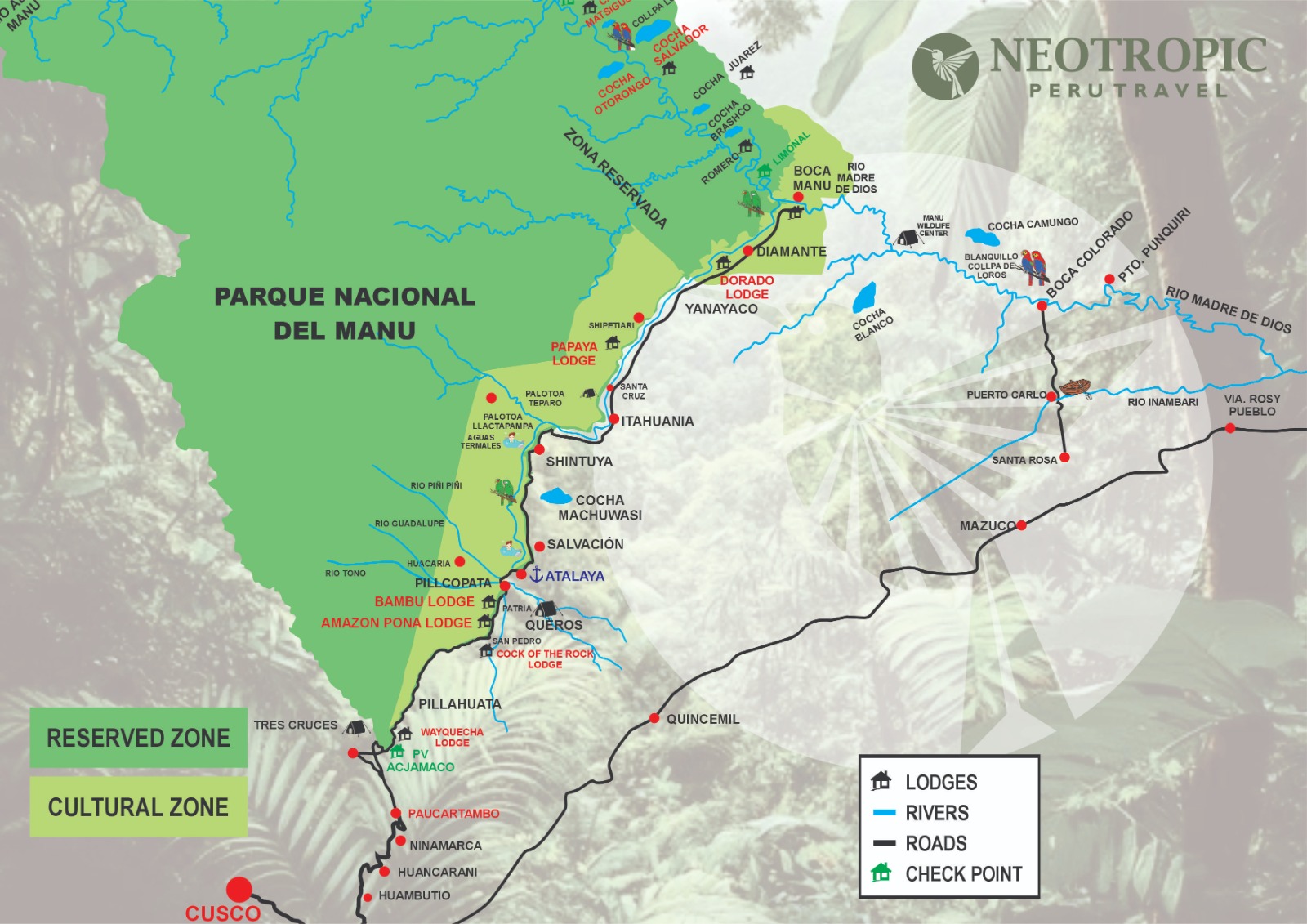
When planning your Manu National Park adventure, one of the most important decisions you’ll make is choosing between the Reserved Zone and the Cultural Zone (Buffer Zone). While both zones offer incredible Amazon rainforest experiences, they differ significantly in terms of wildlife density, accessibility, cost, cultural immersion, and overall adventure level.
This comprehensive guide breaks down every difference, advantage, and disadvantage of each zone to help you make the best choice for your Manu National Park expedition.
Quick Comparison Overview
| Feature | Reserved Zone | Cultural / Buffer Zone |
|---|---|---|
| Wildlife Density | ⭐⭐⭐⭐⭐ Excellent | ⭐⭐⭐ Good |
| Accessibility | Limited permits required | More accessible |
| Cost | $$$ Higher (premium) | $$ Moderate |
| Tour Duration | 6-9 days typical | 2-5 days typical |
| Cultural Immersion | Minimal | ⭐⭐⭐⭐⭐ Excellent |
| Pristine Wilderness | ⭐⭐⭐⭐⭐ Maximum | ⭐⭐⭐ Good |
| Jaguar Sightings | Higher probability | Lower probability |
| Indigenous Contact | None | Direct interaction |
| Adventure Level | High | Moderate |
| Best For | Serious wildlife enthusiasts | Cultural + nature balance |
The Reserved Zone (Zona Reservada): Deep Wilderness Experience
What is the Reserved Zone?
The Reserved Zone is the core protected area of Manu National Park, covering approximately 80% of the park’s total area. This is the most pristine and wildlife-rich section, where human impact is minimal and nature thrives in its purest form. Access is strictly controlled through a limited permit system, with only a handful of authorized tour operators allowed to enter.
Advantages of the Reserved Zone
1. Unmatched Wildlife Viewing Opportunities
The Reserved Zone offers the highest probability of encountering rare and endangered species in Manu National Park. The limited human presence means animals are more abundant and, while still cautious, less disturbed by human activity.
Wildlife highlights:
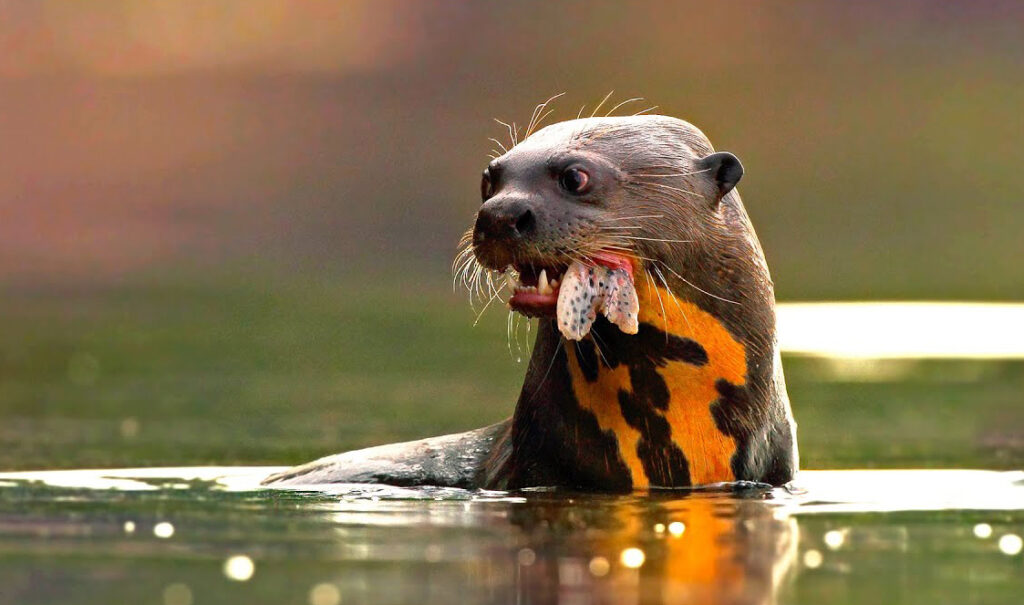
- Giant river otters: Frequently observed in oxbow lakes like Cocha Salvador and Cocha Otorongo
- Jaguars: Highest probability anywhere in Manu (though still rare)
- Harpy eagles: Regularly spotted from canopy towers
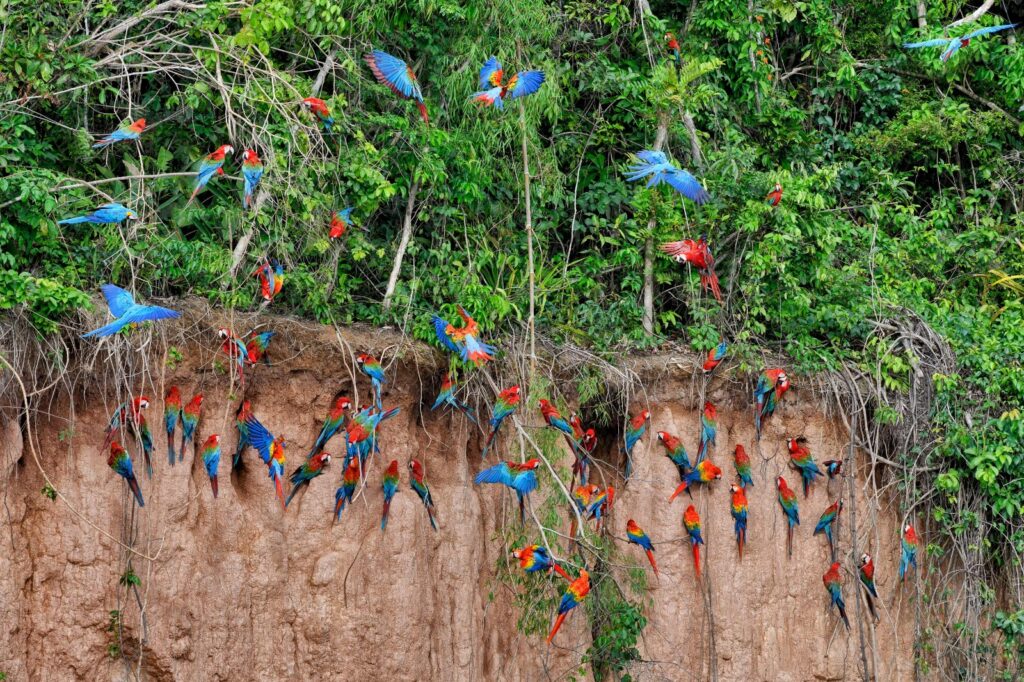
- Macaw clay licks: Spectacular morning gatherings of hundreds of birds
- Tapirs: Often seen on riverbanks at dawn and dusk
- 13+ monkey species: Including the rare spider monkey and woolly monkey
- Black caimans: Large specimens up to 16 feet long
2. Pristine, Undisturbed Ecosystems
The Reserved Zone represents some of the last truly wild rainforest on Earth. You’ll experience primary forest that has never been logged, with ancient trees, complex ecosystems, and natural processes functioning without human interference.
3. Exclusive, Intimate Experience
With strict visitor limits, you’ll rarely encounter other tour groups. This creates a sense of true wilderness exploration and allows for quiet wildlife observation without crowds.
4. Professional Research-Quality Guiding
Tour operators with Reserved Zone permits typically employ the most experienced guides—often former researchers or conservation specialists with deep knowledge of wildlife behavior and ecology.
5. Access to Prime Wildlife Locations
Only Reserved Zone tours can access key wildlife hotspots:
- Cocha Salvador: Premier giant otter observation lake
- Cocha Otorongo: Excellent for caimans, hoatzins, and waterbirds
- Major macaw clay licks: The most spectacular collpas with hundreds of birds
- Remote river sections: Where jaguars and tapirs frequently appear
6. Better Lodge Locations
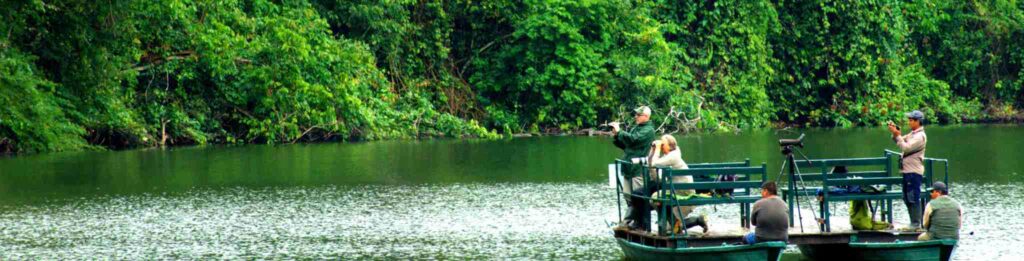
Lodges in the Reserved Zone of the Manu National Park are strategically positioned in areas with high wildlife activity, offering better opportunities right from your accommodation.
Disadvantages of the Reserved Zone
1. Higher Cost
Reserved Zone tours are significantly more expensive, typically ranging from $1,600 to $3,500 for a 6-9 day expedition.
Cost factors:
- Limited permits (high demand, controlled supply)
- Longer journey time (more fuel, logistics)
- Better lodges and facilities
- Smaller group sizes
- Conservation fees
2. Longer Time Commitment Required
Meaningful Reserved Zone experiences require minimum 6 days, with 6-9 days recommended. The journey alone takes:
- 8-10 hours by road from Cusco
- 4-6 hours by boat deeper into the Reserved Zone
- Cannot be done as a quick trip
3. More Physically Demanding
- Longer boat journeys (sometimes 6+ hours in one day)
- More remote locations (no quick exit if needed)
- Basic bathroom facilities in some lodges
- Longer walks in humid conditions
- Early morning starts (4:30-5:00 AM for wildlife viewing)
4. Limited Availability
- Only 10-15 authorized operators have permits
- Tours book up months in advance (especially May-September)
- Permits are capped to protect the ecosystem
- Last-minute bookings nearly impossible in high season
5. Weather-Dependent
Due to deeper penetration into the rainforest:
- More vulnerable to river level changes
- Heavy rains can affect boat travel
- Some flexibility required in itinerary
Who Should Choose the Reserved Zone?
Ideal for:
- Serious wildlife photographers seeking rare species
- Birders wanting to maximize species count
- Nature enthusiasts prioritizing pristine wilderness
- Travelers with 6+ days available
- Those seeking the ultimate Amazon experience
- People willing to pay premium for exclusivity
- Adventurous spirits comfortable with rustic conditions
Not ideal for:
- Budget-conscious travelers
- Those with limited vacation time (less than 5 days)
- People primarily interested in cultural experiences
- Those requiring modern comforts
- Travelers with mobility limitations
The Cultural Zone (Buffer Zone): Nature Meets Culture
What is the Cultural Zone (Buffer Zone)?
The Cultural Zone (Buffer Zone) is the inhabited portion of Manu National Park, primarily home to the Matsiguenka indigenous people who have lived sustainably in the Amazon for centuries. This zone allows for a unique combination of wildlife observation and authentic cultural exchange, while maintaining important conservation standards.
Advantages of the Cultural Zone
1. Authentic Indigenous Cultural Immersion
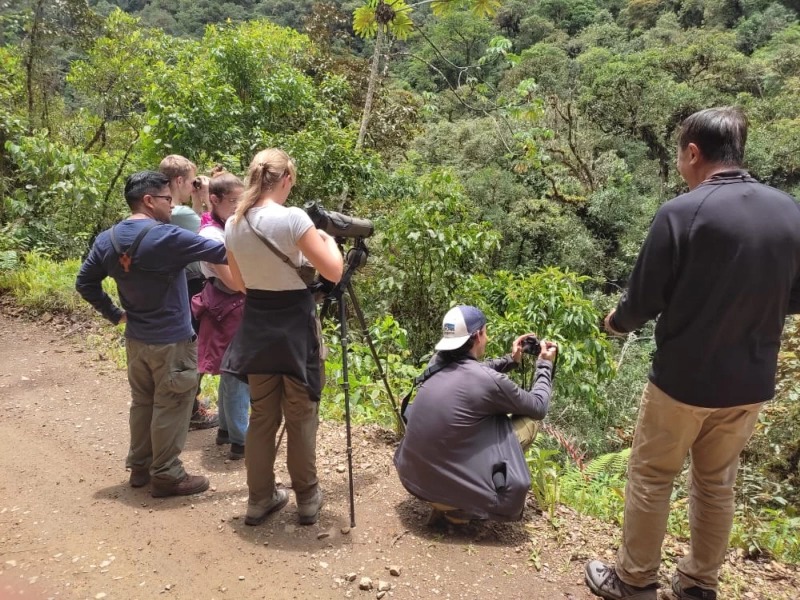
The Cultural Zone of the Manu National Park offers what the Reserved Zone cannot—direct interaction with indigenous Amazonian communities.
2. More Affordable
Cultural Zone tours typically cost $400 to $950 for 3-5 days—significantly less than Reserved Zone expeditions.
Why it’s cheaper:
- No limited permit system
- Shorter distances to travel
- More operators offering tours
- Simpler lodge infrastructure
3. Shorter Time Requirement
Perfect for travelers with limited vacation time. Meaningful experiences possible in 2-4 days, with excellent 5-day options available.
Typical itinerary:
- Day 1: Cusco to cloud forest
- Day 2: Cloud forest to Cultural Zone
- Day 3: Wildlife activities + cultural visit
- Day 4: Morning activities, return journey begins
- Day 5: Arrive back in Cusco
4. More Accessible Logistics
- More departure dates available
- Easier to book last-minute
- More operator choices
- Better for joining existing groups
- Simpler travel arrangements
5. Still Excellent Wildlife Viewing
While not as abundant as the Reserved Zone, the Cultural Zone still offers impressive wildlife:
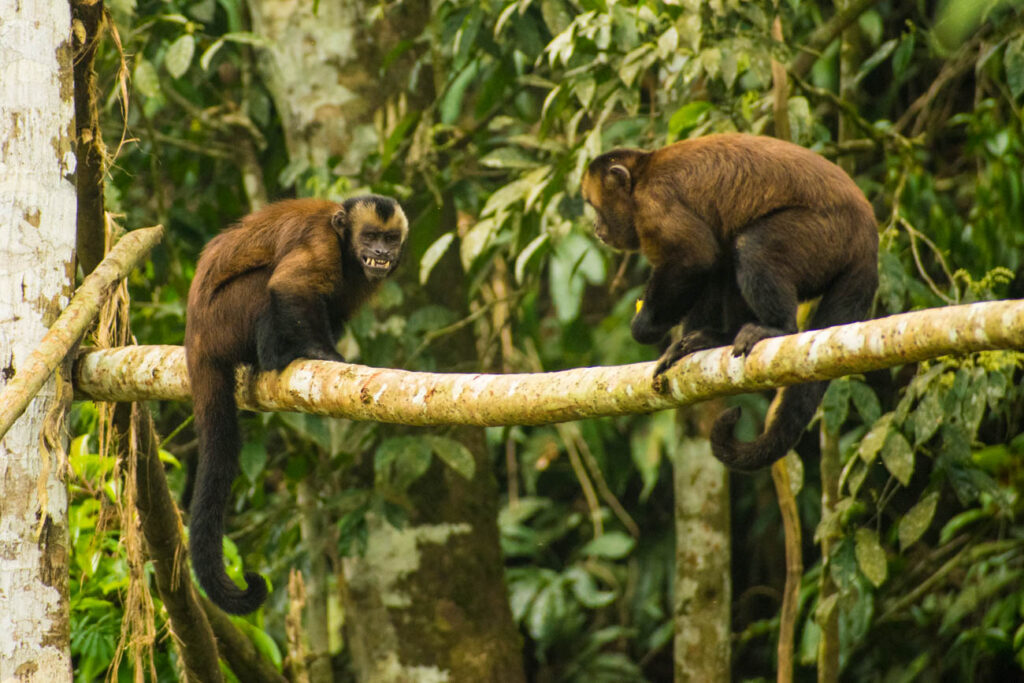
- Monkeys (howler, capuchin, squirrel monkeys)
- Macaws and parrots at clay licks
- Caimans in rivers and lakes (smaller species)
- Diverse birdlife (500+ species possible)
- River otters (smaller species)
- Coatis, agoutis, and other mammals
- Incredible insect diversity
6. Balanced Experience
The Cultural Zone provides a more well-rounded Amazon experience, combining:
- Nature and wildlife
- Cultural learning
- Historical context
- Conservation perspectives
- Human-forest relationship understanding
7. More Comfortable for First-Time Jungle Visitors
- Shorter boat rides
- Closer to “civilization” if needed
- Less physically demanding
- More predictable schedules
- Better for families with older children
- Easier medical evacuation if necessary
Disadvantages of the Cultural Zone in the Manu National Park
1. Lower Wildlife Density
The presence of indigenous communities means:
- Animals are more wary of humans
- Less biodiversity overall compared to Reserved Zone
- Smaller populations of large mammals
- Rare species (jaguars, giant otters) unlikely
- No access to premier wildlife locations
Reality check: While you’ll see wildlife, you won’t experience the same abundance as the Reserved Zone. Jaguar sightings are extremely rare, and giant river otters are not present.
2. More Human Impact Visible
- Signs of human habitation (cleared areas, trails)
- Occasional motorboat traffic
- Villages and infrastructure present
- Some selective resource use by communities
3. Limited Access to Best Wildlife Sites
Cannot visit:
- Cocha Salvador (giant otter lake)
- Most productive macaw clay licks
- Remote river sections with highest jaguar probability
- Some Research stations in Reserved Zone
- Prime tapir viewing areas
Who Should Choose the Cultural Zone?
Ideal for:
- Those with 3-5 days available
- Budget-conscious visitors wanting Manu National Park experience
- First-time Amazon visitors
- Travelers prioritizing cultural learning
- Families with teenagers
- Those seeking a balanced nature-culture trip
- People wanting good (not extreme) wildlife viewing
Not ideal for:
- Serious wildlife photographers needing rare species
- Hardcore birders seeking maximum species count
- Those specifically wanting giant otters or jaguars
- Visitors seeking complete wilderness isolation
- Travelers who’ve been to accessible Amazon areas before
Head-to-Head Comparison: Key Factors
Wildlife Viewing Quality
Reserved Zone Winner: 🏆
- Giant river otters: Common vs. absent
- Jaguars: Possible (rare) vs. extremely unlikely
- Harpy eagles: Regular sightings vs. rare
- Species diversity: Maximum vs. good
Cultural Zone: Still offers excellent wildlife, but expectations should be adjusted. You’ll see monkeys, birds, caimans, and diverse rainforest life—just not in the same abundance or rarities.
Cultural Immersion
Cultural Zone Winner: 🏆
- Traditional knowledge sharing
- Cultural practices information
- Indigenous perspective on conservation
- Authentic cultural exchange opportunities
Reserved Zone: Virtually no cultural component. Focus is 100% on wildlife and wilderness.
Value for Money
Depends on priorities:
Reserved Zone offers better value if:
- You’re a serious wildlife enthusiast
- You can take 6+ days
- Wildlife photography is your goal
- You want the “ultimate” Amazon experience
- You’re unlikely to return to Peru soon
Cultural Zone offers better value if:
- You have limited budget ($800-1,200)
- You have 3-5 days available
- Cultural experiences matter to you
- You want “good” wildlife viewing at lower cost
- You’re interested in a balanced experience
Physical Demands
Cultural Zone Winner for Comfort: 🏆
- Shorter boat rides (2-4 hours vs. 6+ hours)
- Less remote (easier exit if needed)
- Gentler pace possible
- More predictable schedules
- Better for varying fitness levels
Reserved Zone: More demanding but manageable for reasonably fit travelers. The adventure aspect is part of the appeal.
Accessibility and Convenience
Cultural Zone Winner: 🏆
- Shorter total journey time
- More operator choices
- Easier booking (more availability)
- Better for last-minute plans
- More departure dates
Reserved Zone: Requires advance planning, limited operators, strict schedules.
Wildlife Checklist: What You’ll Actually See
Species You’ll Likely See in BOTH Zones
✓ Howler monkeys (heard more than seen)
✓ Capuchin monkeys
✓ Squirrel monkeys
✓ Macaws (scarlet, blue-and-gold)
✓ Toucans and toucanets
✓ Parrots and parakeets
✓ Hoatzins (primitive birds)
✓ Various heron and egret species
✓ Kingfishers
✓ Spectacled caimans
✓ Numerous butterfly species
✓ Leaf-cutter ants
✓ Tarantulas (night walks)
✓ Various frog species
Species MORE LIKELY in Reserved Zone
✓ Giant river otters ⭐ (common in Reserved, absent in Cultural)
✓ Jaguars ⭐ (rare but possible vs. extremely unlikely)
✓ Spider monkeys ⭐ (common vs. occasional)
✓ Woolly monkeys ⭐ (regular vs. rare)
✓ Harpy eagles ⭐ (regular vs. rare)
✓ Tapirs ⭐ (regular riverbank sightings vs. very rare)
✓ Large black caimans ⭐ (common vs. occasional)
✓ Cock-of-the-rock ⭐ (cloud forest sections, both zones but better viewing in Reserved Zone tours)
✓ Greater quantity and diversity overall
Making Your Decision: Which Zone is Right for You?
Choose the RESERVED ZONE if you answer YES to most of these:
- I have 6+ days available for this trip
- Wildlife photography is a primary goal
- I’m willing to pay $2,000-3,000+ for the experience
- I want the highest probability of seeing rare species
- I’m comfortable with rustic, remote conditions
- I’ve been to other Amazon areas and want something more pristine
- I’m a serious birder wanting to maximize species count
- Cultural experiences are not a priority for this trip
- I want an exclusive, uncrowded wilderness experience
- Seeing giant otters or jaguars is on my bucket list
If you checked 6+ boxes: The Reserved Zone is your best choice.
Choose the CULTURAL ZONE if you answer YES to most of these:
- I have 3-5 days available
- My budget is $800-1,500
- This is my first Amazon rainforest experience
- I want good (not extreme) wildlife viewing
- Cultural immersion is important to me
- I prefer shorter boat rides and less remote locations
- I want a balanced nature + culture experience
- I’m traveling with family (teenagers)
- I value understanding human-forest relationships
If you checked 6+ boxes: The Cultural Zone is your best choice.
Expert Recommendations by Traveler Type
For Wildlife Photographers
Reserved Zone – No question. The investment pays off in rare species access, better lighting in oxbow lakes, and exclusive locations.
For Birdwatchers
Reserved Zone – Access to higher species counts and special birds like harpy eagles makes this essential.
For Cultural Anthropologists/Students
Cultural Zone – This is where your interests align perfectly. Reserved Zone offers nothing culturally.
For First-Time Amazon Visitors
Cultural Zone – More affordable introduction, less physically demanding, cultural context enriches the experience.
For Adventure Travelers
Reserved Zone – The remoteness, challenge, and exclusivity match the adventurous spirit.
For Families with Teens
Cultural Zone – Better logistics, cultural education value, appropriate wildlife viewing without extreme commitment.
For Budget Travelers
Cultural Zone – Half the cost while still offering genuine Manu National Park rainforest experience.
For Luxury Travelers
Reserved Zone – Premium cost gets you premium experience, exclusivity, and best lodges.
For Repeat Amazon Visitors
Reserved Zone – If you’ve done Tambopata or other accessible areas, this is your next level.
For Limited-Time Visitors
Cultural Zone – Makes Manu accessible even with only 2-4 days available.
Frequently Asked Questions
Can I change zones during my trip?
No. Tours are booked specifically for one zone or the other (or combined tours). The logistics and permits don’t allow for switching mid-trip.
Which zone has better lodges?
Reserved Zone lodges are generally more comfortable, better positioned for wildlife, and have superior facilities. Cultural Zone lodges are good but more basic, depend of the price.
Is the Reserved Zone worth the extra cost?
For wildlife enthusiasts: Absolutely yes. The difference in wildlife quantity and quality justifies the premium.
Can solo travelers join either zone?
Yes, both zones accept solo travelers who join existing groups. Reserved Zone requires booking further in advance to secure group placement.
Which zone is better for photography?
Reserved Zone for wildlife photography (better subjects, more opportunities).
Cultural Zone for cultural/documentary photography and human-interest stories.
Do both zones require yellow fever vaccination?
Yes, both zones require yellow fever vaccination administered at least 10 days before travel.
Which zone sees more rain?
Both experience similar weather patterns. Neither has a significant advantage in terms of dry conditions.
Can I visit communities in the Reserved Zone?
No, the Reserved Zone is uninhabited to maintain its pristine wilderness status.
Ready to Book Your Manu National Park Adventure?
Whether you choose the pristine wildlife paradise of the Reserved Zone or the culturally rich experience of the Cultural Zone, Neotropic Peru offers expertly guided tours to both areas.
Why Choose Neotropic Peru?
✓ Authorized Reserved Zone permits for exclusive access
✓ Respectful cultural partnerships with Matsiguenka communities
✓ Expert local guides with decades of experience
✓ Small group sizes (4-9 people maximum)
✓ Flexible itineraries to match your interests
✓ All-inclusive packages with transparent pricing
Contact Us Today
- 📧 Email: info@neotropicperu.com
- 📱 WhatsApp: +51 986 002 962
- 🌐 Website: www.neotropicperu.com
Let us help you choose the perfect Manu zone for your Amazon dream adventure!