Nestled in the southeastern Amazon basin of Peru, Manu National Park stands as one of the planet’s most extraordinary natural sanctuaries. This UNESCO World Heritage Site protects over 1.7 million hectares of pristine rainforest, spanning elevations from 150 meters in the lowland Amazon to 4,200 meters in the Andean highlands. With this remarkable range, Manu Park encompasses an astounding variety of ecosystems—from cloud forests draped in mist to steamy lowland jungles teeming with wildlife.
What makes Manu Park truly exceptional is its unparalleled biodiversity. Scientists have documented over 1,000 bird species, 200 mammal species, and more than 15,000 plant species within its borders. Many researchers believe countless species remain undiscovered in this vast wilderness. For nature enthusiasts, wildlife photographers, and adventure travelers, Manu Park offers an authentic Amazon experience unlike any other destination in South America.
- Why Manu National Park Should Be Your Next Adventure
- Understanding the Three Zones of Manu National Park
- Incredible Wildlife of Manu National Park
- When to Visit Manu National Park: Timing Your Trip
- Getting to Manu National Park
- Tours and Activities
- Practical Information for Your Manu National Park Visit
- Conservation and Responsible Tourism
- Frequently Asked Questions About Manu National Park
- Ready to Experience Manu National Park?
- Final Thoughts on Manu National Park
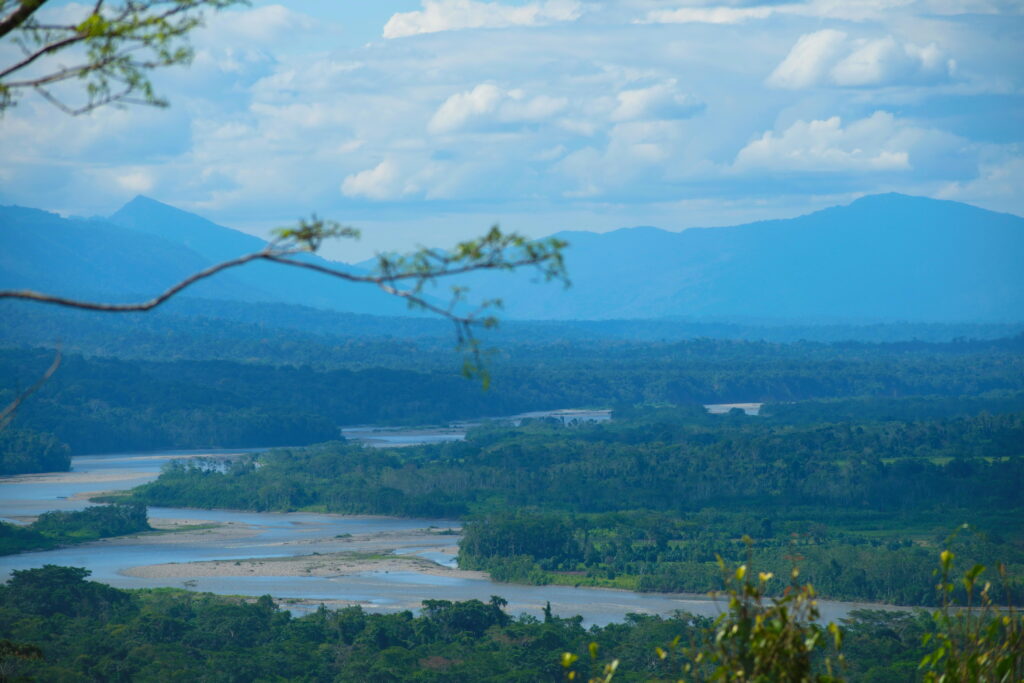
Why Manu National Park Should Be Your Next Adventure
Unlike more accessible jungle destinations, Manu National Park has remained largely pristine due to its remote location and protected status. Established in 1973 and designated a UNESCO World Heritage Site in 1987, the park represents one of the most successful conservation efforts in the Amazon. Its three distinct management zones ensure that wildlife thrives while allowing carefully regulated tourism access.
World-Class Biodiversity
The numbers speak for themselves—Manu National Park boasts:
- Over 1,000 bird species (more than 10% of the world’s total)
- 200+ mammal species including jaguars, giant otters, and 14 monkey species
- More than 1,300 butterfly species
- 15,000+ species of plants, with up to 250 tree varieties in a single hectare
- Hundreds of reptile, amphibian, and fish species
Multiple Ecosystems in One Destination
What sets Manu National Park apart from other Amazon destinations is its extraordinary ecological diversity. As you journey from Cusco into the park, you’ll traverse through distinct climate zones—beginning in the high-altitude Andean puna grasslands, descending through mystical cloud forests where orchids and bromeliads flourish, and finally arriving in the steamy lowland tropical rainforest where the greatest concentration of wildlife resides.
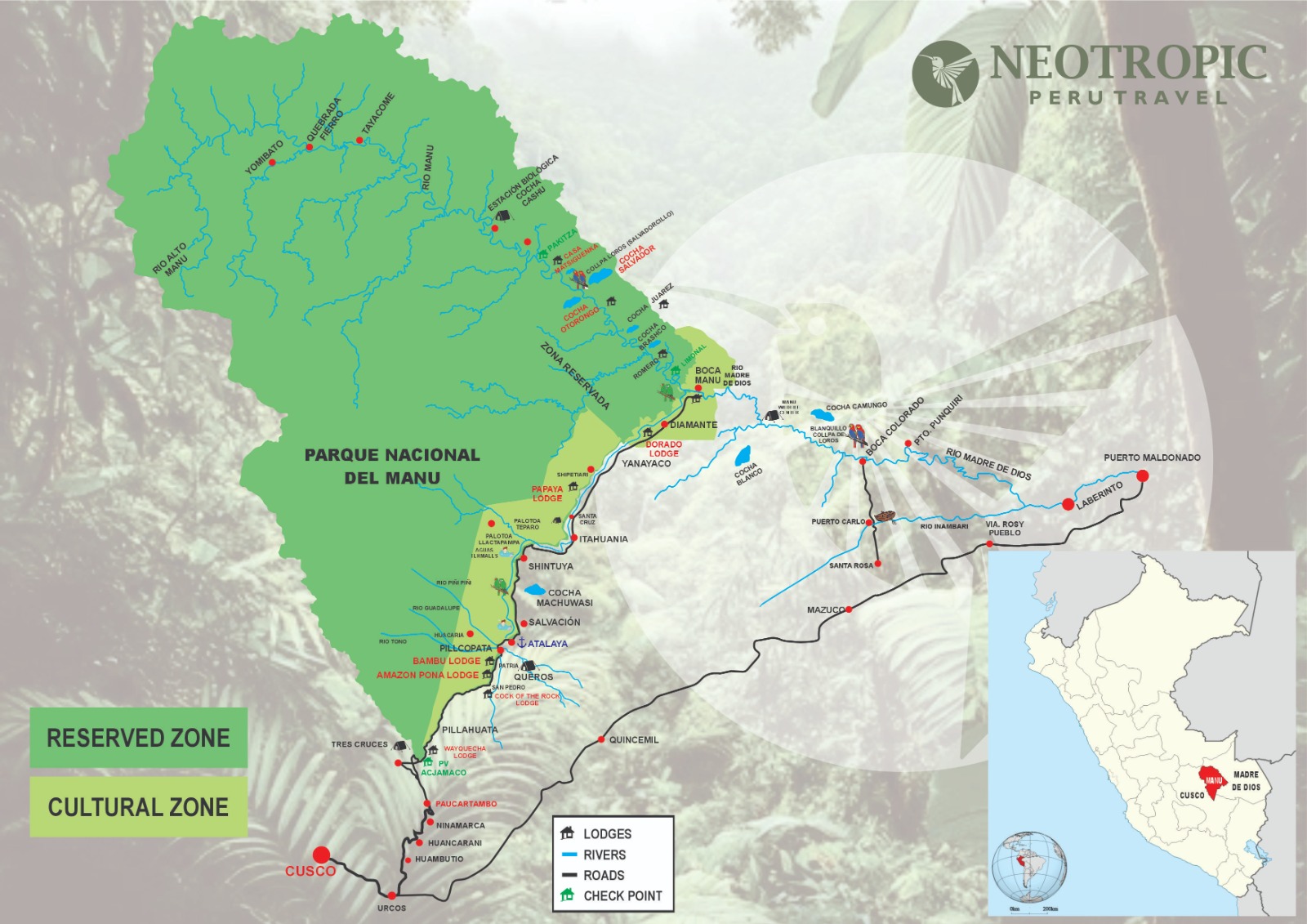
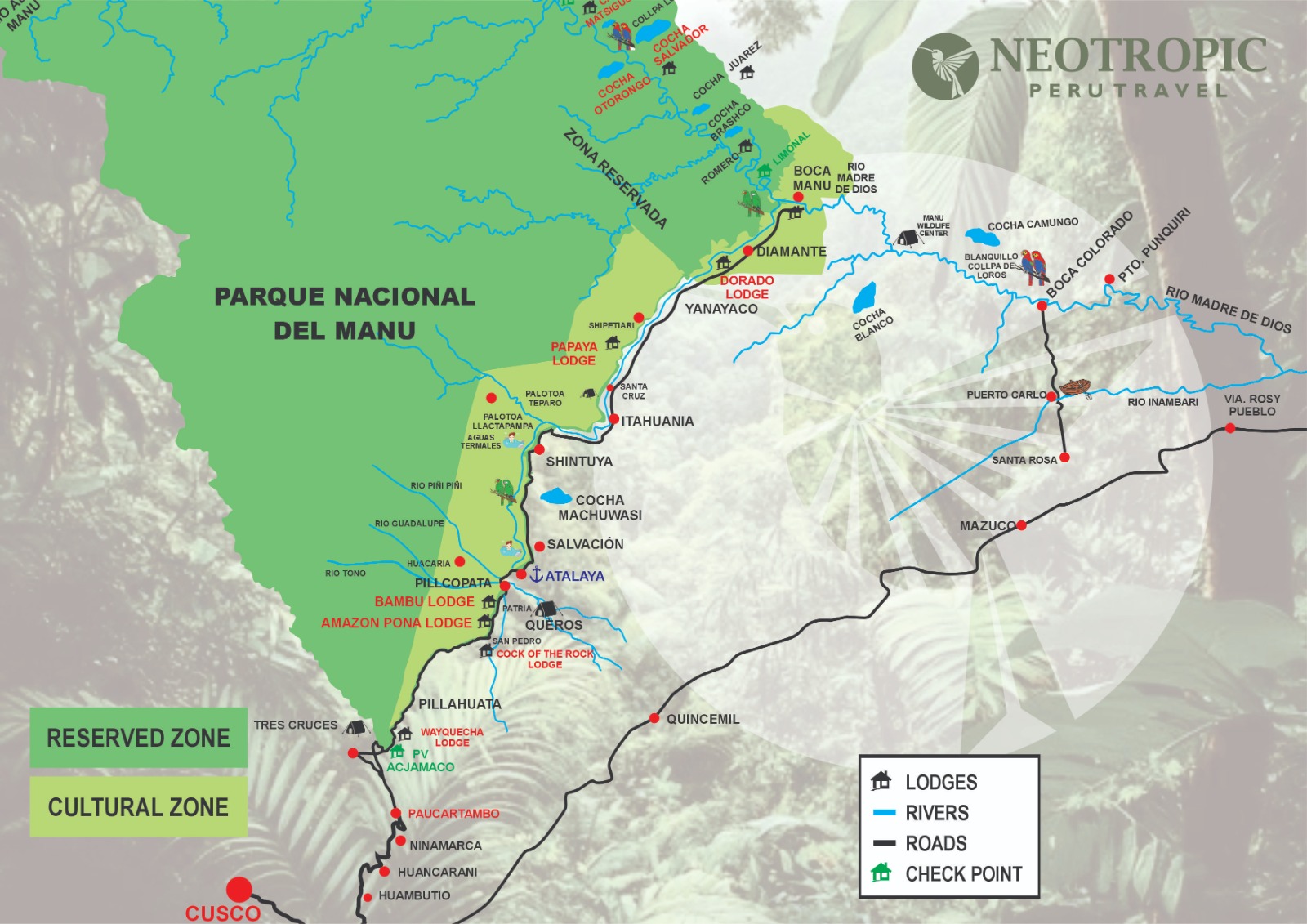
Understanding the Three Zones of Manu National Park
Manu National Park is divided into carefully managed zones, each serving a specific conservation purpose:
1. The Reserved Zone (Zona Reservada)
This pristine area comprises the majority of Manu Park and offers the highest concentration of wildlife. Access to the Reserved Zone is strictly limited to a select number of authorized tour operators who hold special permits. This exclusivity ensures minimal human impact while providing visitors with the Amazon’s most authentic wildlife viewing opportunities. Here you’ll find the best chances of spotting jaguars, giant otters, tapirs, and hundreds of bird species in their undisturbed natural habitats.
2. The Cultural Zone (Zona Cultural)
The Cultural Zone of Manu Park is home to indigenous communities, primarily the Matsiguenka people, who have lived sustainably in the Amazon for centuries. This zone permits traditional resource use under regulations designed to preserve both biodiversity and indigenous cultures. Visitors to this area can experience authentic cultural exchanges and learn traditional jungle survival techniques, though wildlife sightings are less frequent than in the Reserved Zone.
Incredible Wildlife of Manu National Park
The wildlife diversity within Manu Park is staggering. Every excursion offers opportunities to encounter species found nowhere else on Earth.
Iconic Mammals
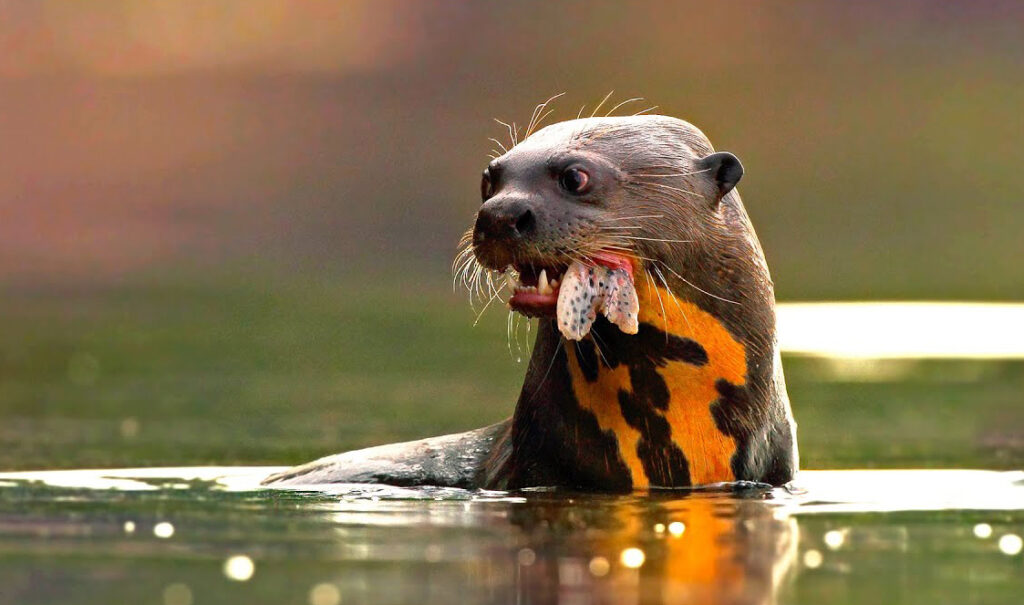
Among the most sought-after sightings in Manu Park are the magnificent jaguars that patrol riverbanks at dawn and dusk. While elusive, patient visitors who spend time in the Reserved Zone have reasonable chances of spotting these apex predators. Giant river otters, playful and social animals reaching up to 6 feet in length, are frequently observed in oxbow lakes. The park also protects endangered species like giant armadillos, Brazilian tapirs, and the rare Andean mountain cat in higher elevations.
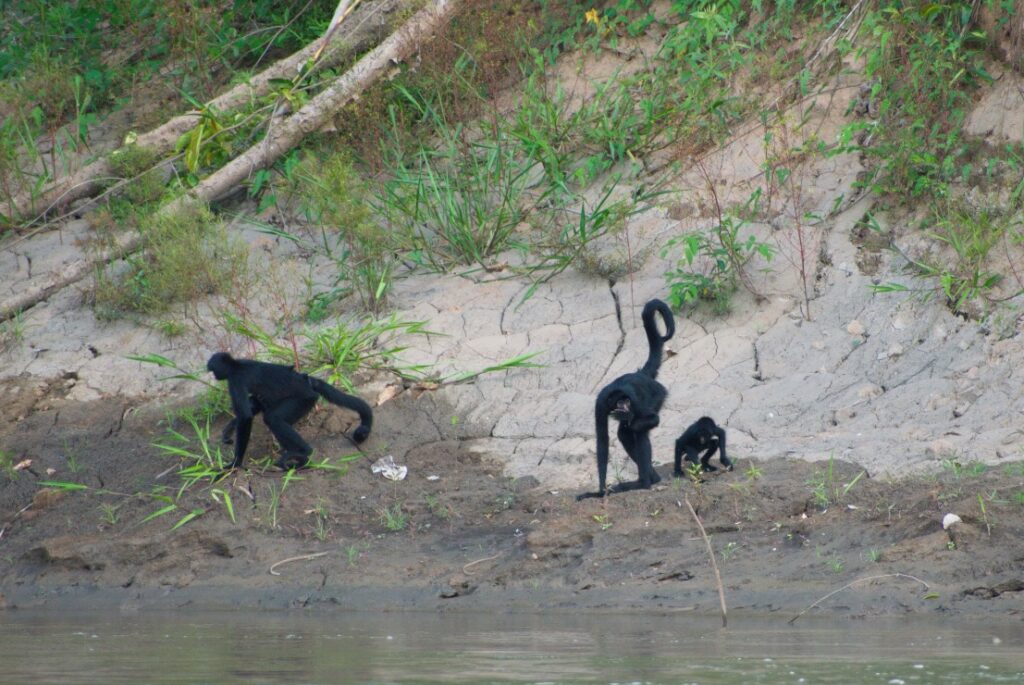
Primate enthusiasts will be thrilled by Manu Park’s 14 monkey species, including the endangered yellow-tailed woolly monkey, noisy howler monkeys whose calls echo through the forest, and playful spider monkeys swinging through the canopy.
Birdwatcher’s Paradise
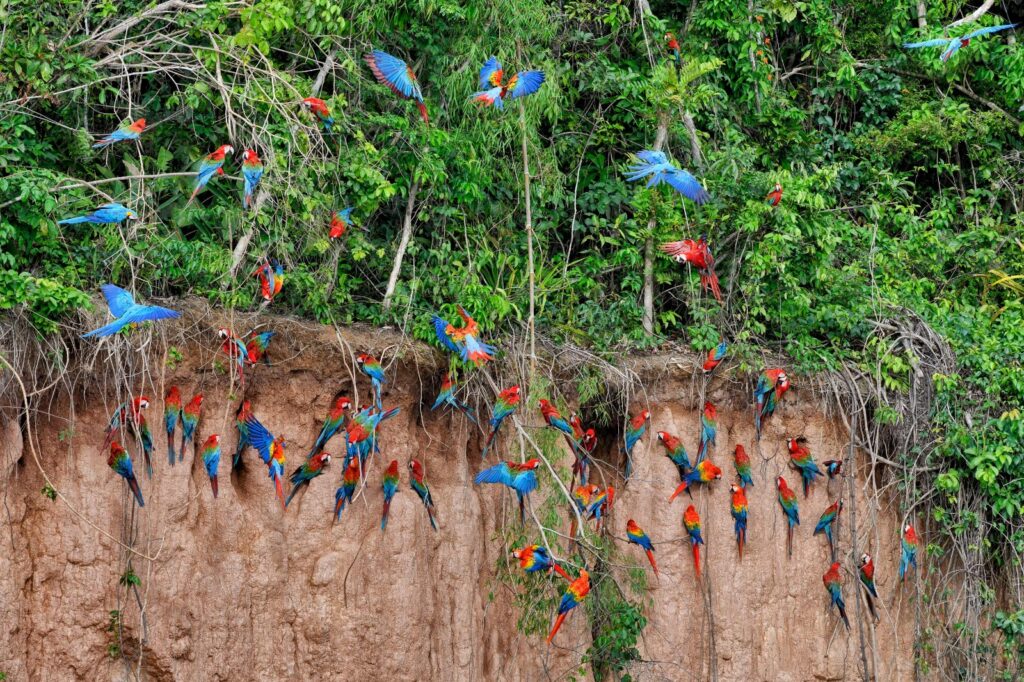
With over 1,000 documented bird species, Manu Park ranks among the world’s premier birdwatching destinations. The park’s famous clay licks attract hundreds of brilliantly colored macaws and parrots each morning—a spectacle that draws wildlife photographers from around the globe. Other notable species include the harpy eagle, jabiru stork, hoatzin, and Peru’s national bird, the stunning Andean cock-of-the-rock with its brilliant orange plumage.
Reptiles and Amphibians
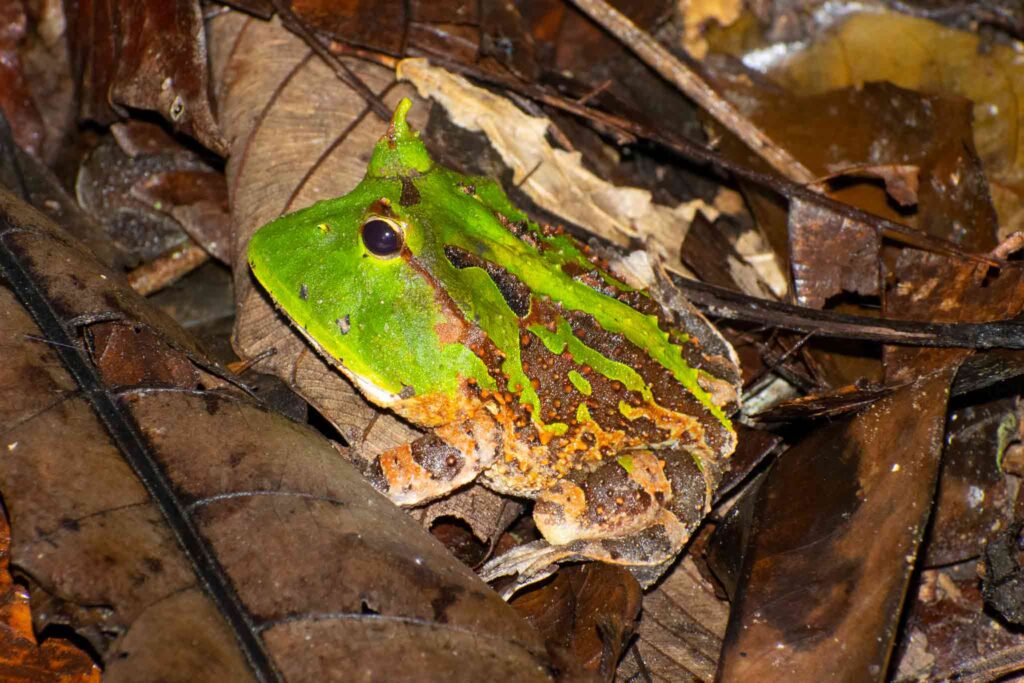
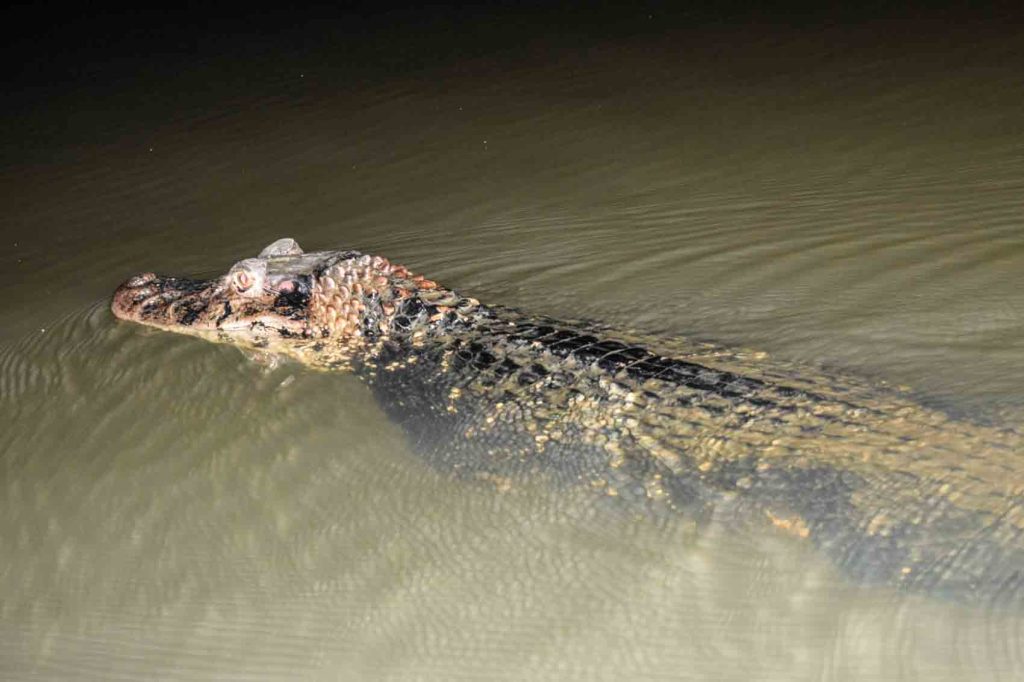
The lakes and rivers of Manu Park are home to both spectacled and black caimans, with the latter reaching impressive sizes up to 16 feet. Along muddy riverbanks, visitors regularly spot numerous turtle species basking in the sun. The park’s incredible amphibian diversity includes poison dart frogs in vibrant colors, glass frogs with translucent skin.
When to Visit Manu National Park: Timing Your Trip
Choosing the right time to visit Manu Park significantly impacts your experience. The park experiences two distinct seasons:
Dry Season (May to October) – Peak Visiting Time
The dry season represents the optimal period for visiting Manu Park. From May through October, rainfall decreases, trails become more accessible, and wildlife concentrates around water sources, making animal observation easier. This is prime time for visiting the clay licks, as birds consume more seeds (which require clay to neutralize toxins) during the dry months. July and August offer the most stable weather conditions and the highest probability of spectacular wildlife sightings.
During this period in Manu Park, daytime temperatures average 25-35°C (77-95°F), with cooler nights dropping to around 15-20°C (59-68°F). Occasionally, cold fronts from the south called “friajes” can bring temperatures down to 8-10°C (46-50°F), so packing layers is essential.
Wet Season (November to April) – For Adventurous Travelers
While the wet season brings heavy rainfall to Manu Park, it transforms the landscape into a lush, vibrant paradise. Rivers rise, creating flooded forest ecosystems that attract different wildlife species. Though trails can be muddy and some areas less accessible, the wet season offers unique photographic opportunities with dramatic skies and fewer tourists. Some photographers prefer this season for capturing the rainforest at its most verdant.
Shoulder Seasons (April-May and October-November)
These transitional months in Manu Park offer a balance between good weather and smaller crowds. Wildlife remains active, and you’ll enjoy more intimate experiences without peak season congestion.
Getting to Manu National Park
Reaching Manu National Park is an adventure in itself, as the park’s remoteness has been key to its conservation success. There are two primary access points:
From Cusco (Most Common Route)
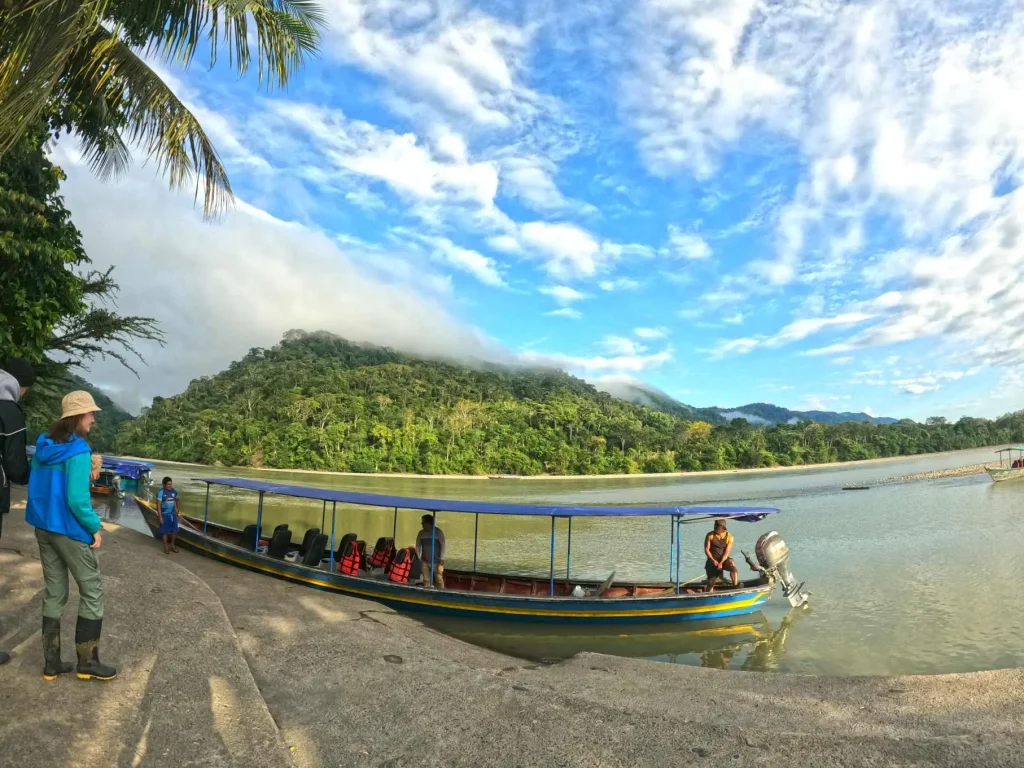
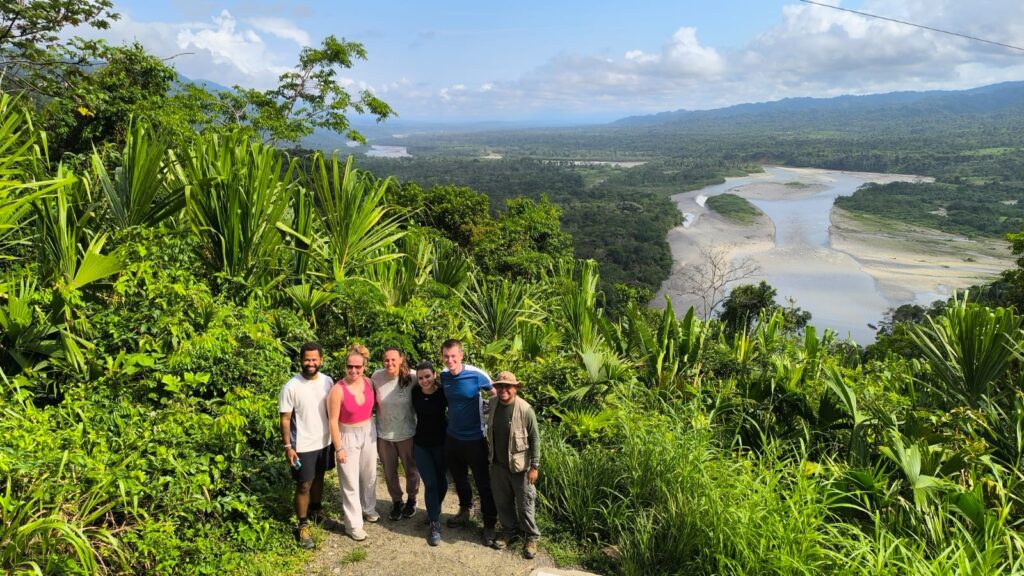
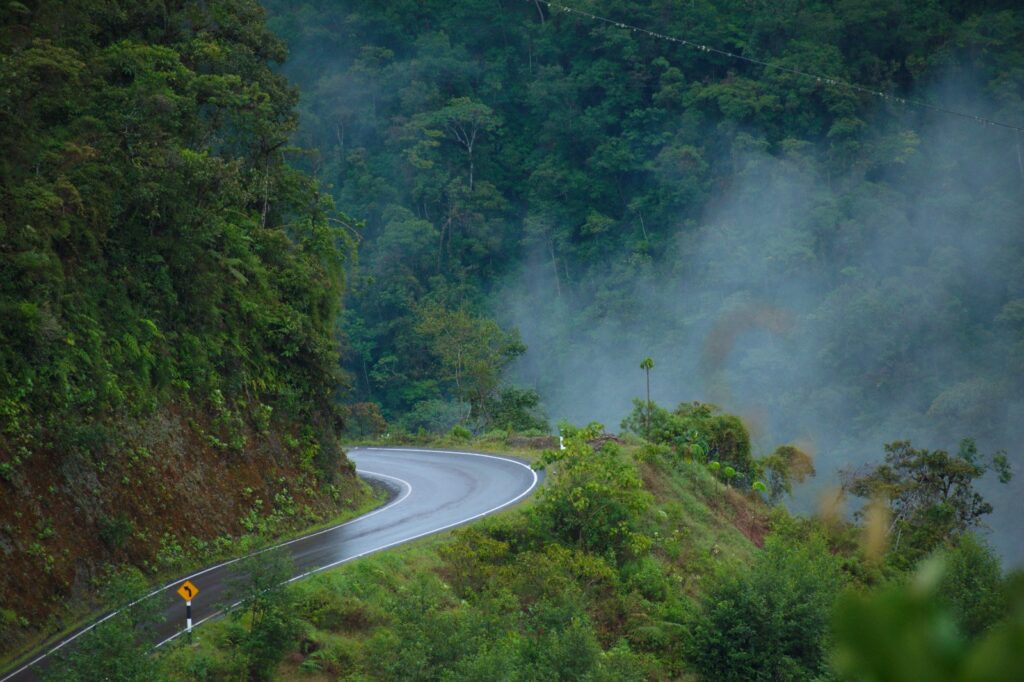
The journey from Cusco to Manu Park typically takes 8-10 hours by road, followed by boat travel. This spectacular route crosses the Andes through Paucartambo, passing through the cloud forest and offering breathtaking scenery. Most tours include stops at viewpoints like Tres Cruces, where you can witness unforgettable sunrises over the Amazon basin. From the port of Atalaya, visitors board motorized canoes to navigate the Manu and Madre de Dios rivers into the park.
From Puerto Maldonado
An alternative access point to Manu Park is via Puerto Maldonado, connected to Lima and Cusco by regular flights. From here, visitors travel by boat up the Madre de Dios River system, though this route typically accesses the southern portions of the park.
Important note: Independent travel to Manu Park’s Reserved Zone is not permitted. Visitors must book through authorized tour operators who possess the necessary permits and adhere to strict conservation guidelines.
Tours and Activities
Experiencing Manu Park properly requires booking a multi-day tour. Most reputable operators offer 4-7 day packages, with longer trips providing more time in the Reserved Zone and greater wildlife viewing opportunities.
Typical Tour Activities
- Guided rainforest walks: Expert naturalist guides lead explorations along jungle trails, sharing knowledge about medicinal plants, animal tracks, and rainforest ecology
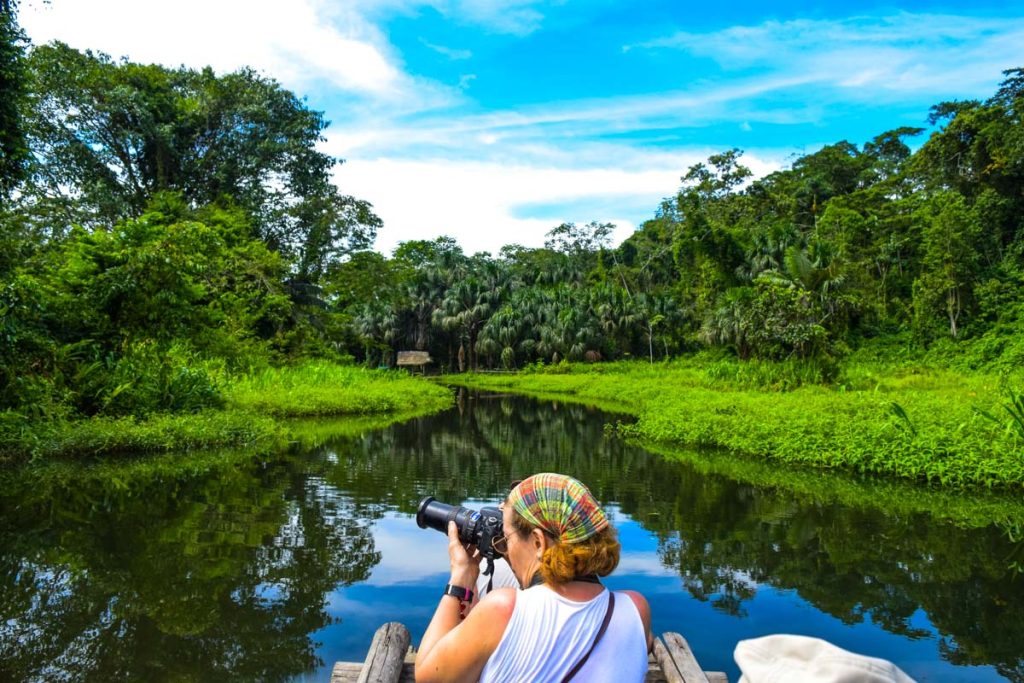
- River navigation: Canoe trips along the Manu and Madre de Dios rivers offer excellent wildlife viewing and transportation between lodges
- Clay lick visits: Early morning excursions to observe macaws and parrots feeding at mineral-rich clay banks
- Oxbow lake exploration: Floating platforms on lakes like Cocha Otorongo and Salvador provide opportunities to observe giant otters, caimans, and aquatic birds
- Night walks: After-dark excursions reveal Manu National Park’s nocturnal wildlife including night monkeys, tarantulas, and various frog species
- Canopy towers: Elevated platforms offering bird’s-eye views of the forest canopy and its inhabitants
- Cultural visits: Encounters with indigenous Matsiguenka communities (in Cultural Zone tours)
Choosing Your Manu National Park Tour
When selecting a tour operator for Manu Park, consider these factors:
- Reserved Zone access: Tours entering the Reserved Zone offer far superior wildlife viewing compared to Cultural Zone-only tours
- Duration: While 4-day tours provide a taste of Manu, 5-7 day expeditions allow for deeper exploration and higher chances of spotting rare species
- Group size: Smaller groups (4-8 people) create less disturbance and provide more personalized attention
- Guide expertise: Experienced local guides make an enormous difference in wildlife spotting and educational value
- Lodge quality: Accommodations in Manu Park range from basic to comfortable—understand what’s included
Practical Information for Your Manu National Park Visit
What to Pack
Preparing properly for Manu Park ensures a comfortable and successful trip:
- Clothing: Lightweight, quick-drying long-sleeved shirts and pants in neutral colors, rain jacket, comfortable closed-toe shoes or boots
- Protection: High-quality insect repellent (30%+ DEET), sunscreen, wide-brimmed hat, mosquito net (often provided by lodges)
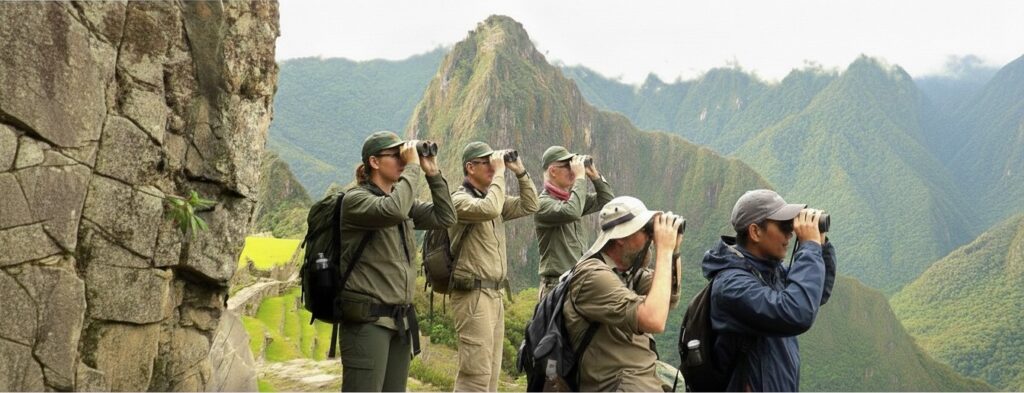
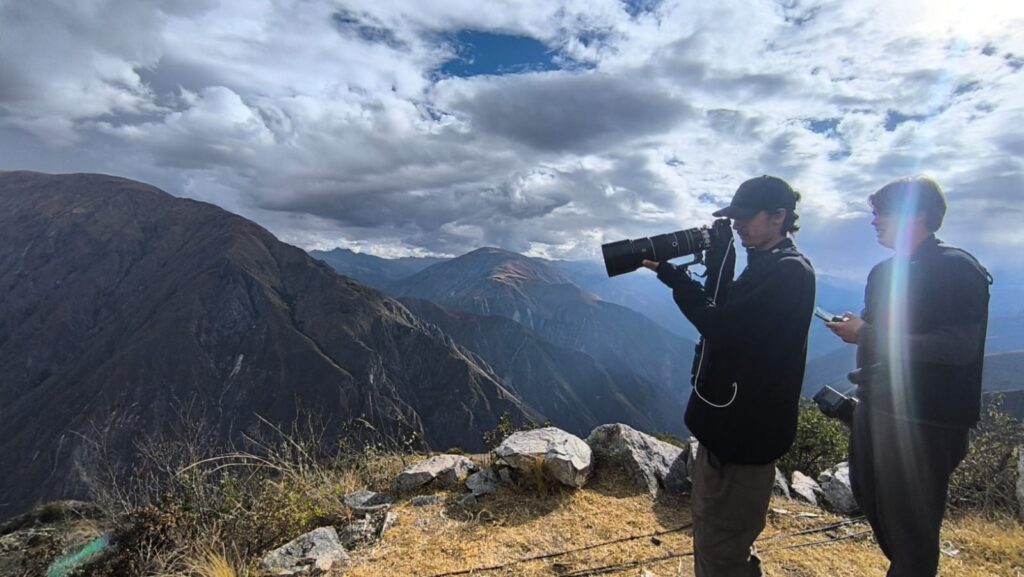
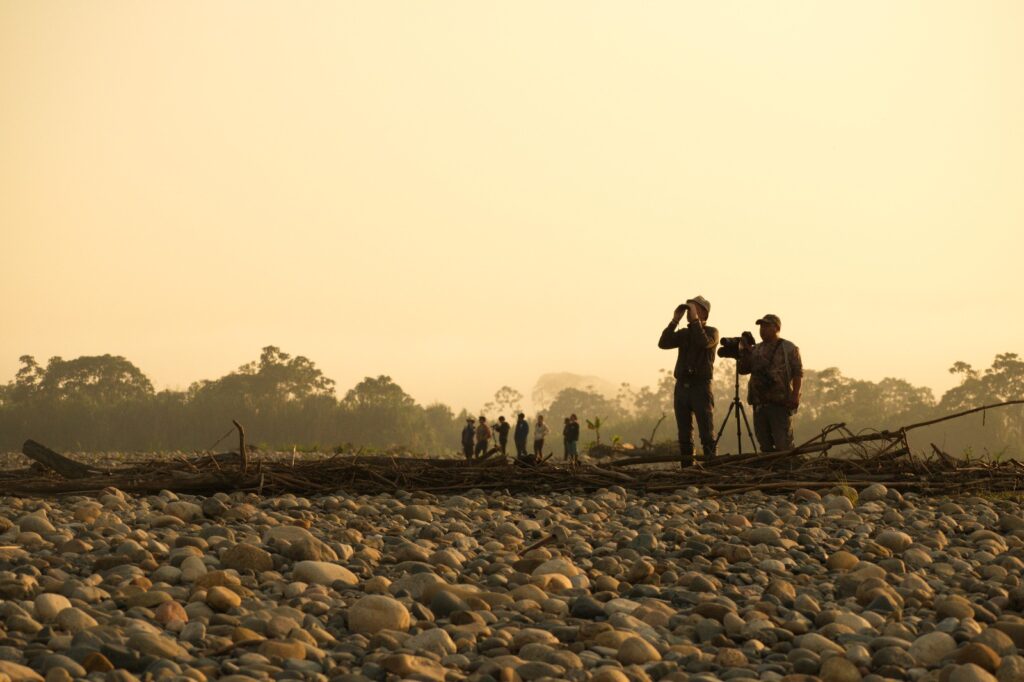
- Gear: Binoculars (essential for wildlife viewing), headlamp with extra batteries, waterproof bags for electronics, camera equipment with extra memory cards and batteries
- Personal items: Prescription medications, basic first aid supplies, water purification tablets, cash in small bills (no ATMs in the jungle)
- Documents: Passport, yellow fever vaccination certificate (required), travel insurance documents
Health and Safety
Visiting the National Park requires some health preparations:
- Yellow fever vaccination: Required and must be administered at least 10 days before travel
- Malaria prophylaxis: Recommended by health professionals for the Amazon region
- Insect protection: Mosquitoes and other insects are present year-round in Manu National Park
- Water safety: Drink only bottled or purified water; most lodges provide safe drinking water
- Sun protection: Despite cloud cover, UV exposure is high in the Amazon
Conservation and Responsible Tourism
The pristine condition of Manu Park results from decades of careful management and strictly enforced conservation regulations. Visitors play a crucial role in maintaining this precious ecosystem.
Visitor Responsibilities
- Stay on designated trails and follow your guide’s instructions at all times
- Never feed wildlife or leave food accessible to animals
- Take only photographs; leave all plants, animals, and natural objects undisturbed
- Pack out all trash—leave no trace of your visit to Manu National Park
- Maintain quiet voices to avoid disturbing wildlife and other visitors
- Respect indigenous communities and their territories
- Use biodegradable soaps and toiletries when available
By choosing responsible tour operators and following these guidelines, you help ensure that Manu National Park remains a thriving wilderness for future generations to experience and enjoy.
Frequently Asked Questions About Manu National Park
How long should I spend in Manu National Park?
We recommend at least 4-5 days for a meaningful Manu National Park experience, though 6-7 day tours allow for more extensive exploration of the Reserved Zone and significantly increase your chances of encountering rare wildlife species like jaguars and giant otters.
Is Manu National Park safe?
Yes, when visited with authorized tour operators, Manu National Park is very safe. Guides are trained in jungle safety and first aid. The main concerns are insects (prevented with repellent and proper clothing) and staying hydrated in the humid climate.
What’s the difference between Manu and Tambopata?
While both protect Amazon rainforest, Manu National Park is more remote and pristine, offering superior wildlife diversity and fewer tourists. Tambopata is more accessible with better infrastructure but sees higher visitor numbers. Manu requires more time commitment but rewards visitors with a more authentic wilderness experience.
Can I visit Manu National Park independently?
No, independent travel to the Reserved Zone of Manu National Park is prohibited. You must book through an authorized tour operator with proper permits. This regulation protects both the ecosystem and ensures visitor safety in this remote wilderness.
What’s the minimum group size for tours?
Most Manu National Park tours require a minimum of 2-4 participants to operate, though solo travelers can often join existing groups. Some operators offer guaranteed departures with flexible group joining options.
Ready to Experience Manu National Park?
Don’t miss the opportunity to explore one of the world’s most biodiverse protected areas. Manu National Park offers an authentic Amazon rainforest adventure that few places on Earth can match—from the haunting calls of howler monkeys at dawn to the spectacular sight of hundreds of macaws gathering at clay licks, every moment creates memories that last a lifetime.
At Neotropic Peru, we specialize in carefully curated Manu National Park expeditions that maximize your wildlife encounters while maintaining the highest conservation and safety standards. Our experienced local guides know the forest intimately and have access to the best areas of the Reserved Zone.
Book Your Manu National Park Adventure Today
✓ Expert local guides with decades of experience
✓ Small group sizes for personalized attention
✓ Reserved Zone access for optimal wildlife viewing
✓ Comfortable eco-lodges with excellent facilities
✓ All permits, meals, and equipment included
Contact us now to start planning your Manu National Park expedition:
- 📧 Email: info@neotropicperu.com
- 📱 WhatsApp: +51 986 002 962
- 🌐 Website: www.neotropicperu.com
Book now for this year and secure the best dates for your Manu National Park adventure! Our peak season tours fill up quickly, so reserve your spot today.

Final Thoughts on Manu National Park
Manu National Park represents one of conservation’s greatest success stories—a vast wilderness where nature thrives in its most pristine form. Whether you’re a serious birder chasing rare species, a wildlife photographer seeking that perfect jaguar shot, or simply an adventurous traveler wanting to experience the real Amazon, Manu National Park delivers an unmatched rainforest experience.
The journey to Manu National Park requires commitment—it’s remote, rustic, and demands flexibility—but those willing to venture into this incredible wilderness are rewarded with wildlife encounters and natural beauty that remain unparalleled anywhere in the Amazon basin. This is the jungle experience you’ve dreamed about—authentic, wild, and utterly unforgettable.
Start planning your Manu National Park adventure today with Neotropic Peru, your trusted partner for authentic Amazon expeditions.