- What Are Peruvian Camelids?
- The Alpaca: Peru's Fiber Treasure
- The Llama: The Ancient Pack Animal
- The Vicuña: Peru's Golden Fiber
- The Guanaco: The Wild Wanderer
- Key Differences Between Peruvian Camelids
- Cultural Importance of Peruvian Camelids
- Economic Impact of Peruvian Camelids
- Conservation Efforts
- Best Places to See Peruvian Camelids
- Tips for Respectful Interaction with Peruvian Camelids
- Experience Peru's Living Heritage
- Ready to Meet Peruvian Camelids in Person?
When you imagine Peru’s stunning Andean highlands, one of the most iconic images that comes to mind is the silhouette of Peruvian camelids grazing peacefully against snow-capped mountains. These remarkable animals—alpacas, llamas, vicuñas, and guanacos—are not just symbols of Peruvian culture; they’ve been integral to Andean life for thousands of years.
But what exactly are Peruvian camelids? How do you tell them apart? And why are they so important to Peru’s economy and heritage? This comprehensive guide will answer all your questions about these fascinating animals and help you appreciate them even more during your visit to Peru.
What Are Peruvian Camelids?
Peruvian camelids belong to the Camelidae family, the same family as camels, but without the distinctive hump. All four species are native to South America and thrive in the harsh, high-altitude environments of the Andes Mountains. Peru is home to approximately 80% of the world’s alpaca population and hosts significant numbers of the other three species as well.
The four Peruvian camelids are divided into two categories:
Domesticated Species:
- Alpacas (Vicugna pacos)
- Llamas (Lama glama)
Wild Species:
- Vicuñas (Vicugna vicugna)
- Guanacos (Lama guanicoe)
Understanding the distinctions between these Peruvian camelids enhances your appreciation of Peru’s biodiversity and cultural heritage.
The Alpaca: Peru’s Fiber Treasure
Physical Characteristics
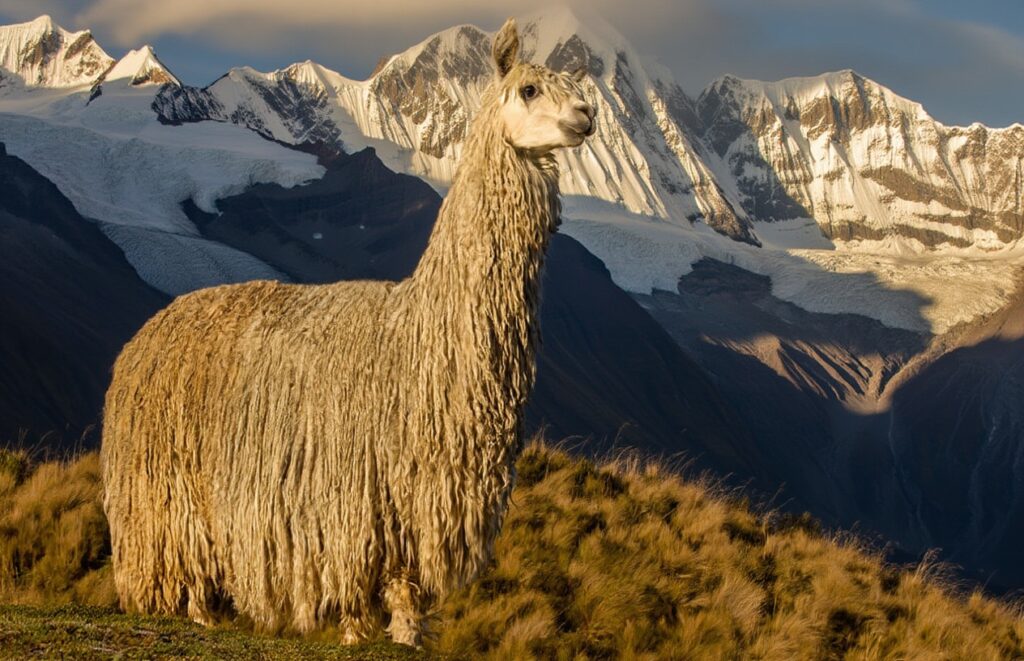
Alpacas are the smallest of the domesticated Peruvian camelids, standing approximately 90 centimeters (3 feet) at the shoulder and weighing between 45-70 kilograms (99-150 pounds). Their most distinctive feature is their dense, fluffy fleece and teddy bear-like appearance, with small, pointed ears and chubby faces that make them irresistibly photogenic.
There are two types of alpacas: Huacaya (with fluffy, crimped fiber) and Suri (with long, silky locks that hang like dreadlocks).
Primary Uses
The alpaca’s claim to fame is its extraordinary fiber. Alpaca wool is softer than sheep’s wool, warmer than cashmere, and naturally hypoallergenic because it contains no lanolin. The fiber comes in over 22 natural colors, from pure white to deep black, making it highly valued in the luxury textile industry.
Peruvian camelids like alpacas contribute significantly to Peru’s economy, with alpaca fiber exports benefiting over 120,000 Peruvian families. The finest grade, known as “baby alpaca” (referring to the first shearing, not the animal’s age), commands premium prices in international markets.
Additionally, alpaca meat is increasingly popular in Peru’s novoandina cuisine, prized for being high in protein and low in fat and cholesterol.
Where to See Them
Alpacas are everywhere in Peru’s highland regions. You’ll encounter them at:
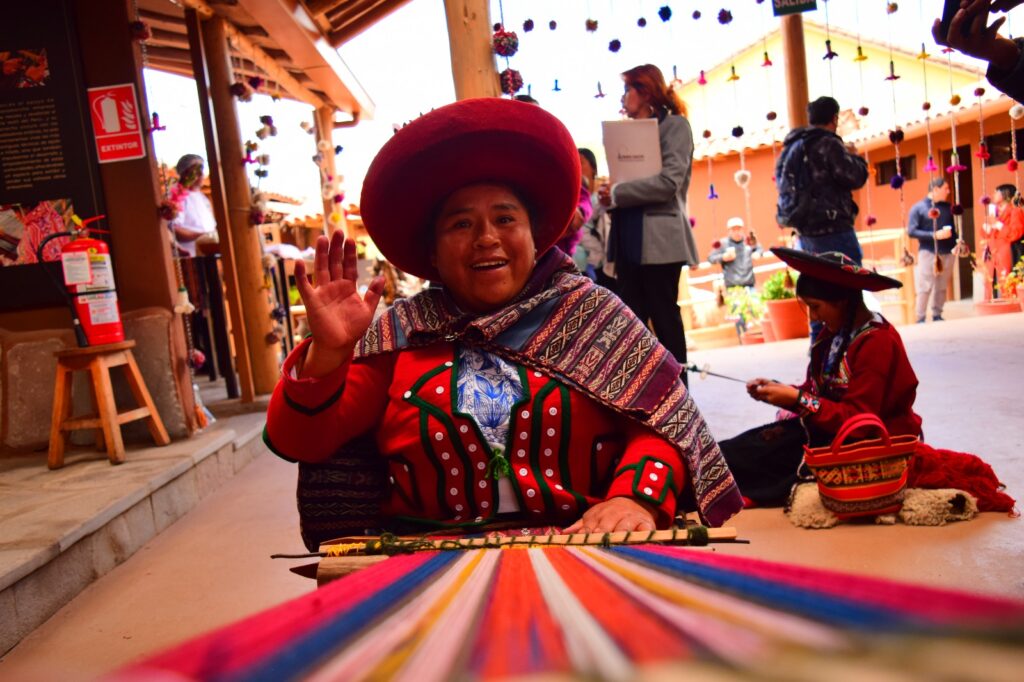
- Textile centers in the Sacred Valley (like Awanakancha)
- Wandering near Cusco’s San Blas neighborhood
- On trekking routes like the Inca Trail and Lares Trek
- Grazing near archaeological sites
The Llama: The Ancient Pack Animal
Physical Characteristics
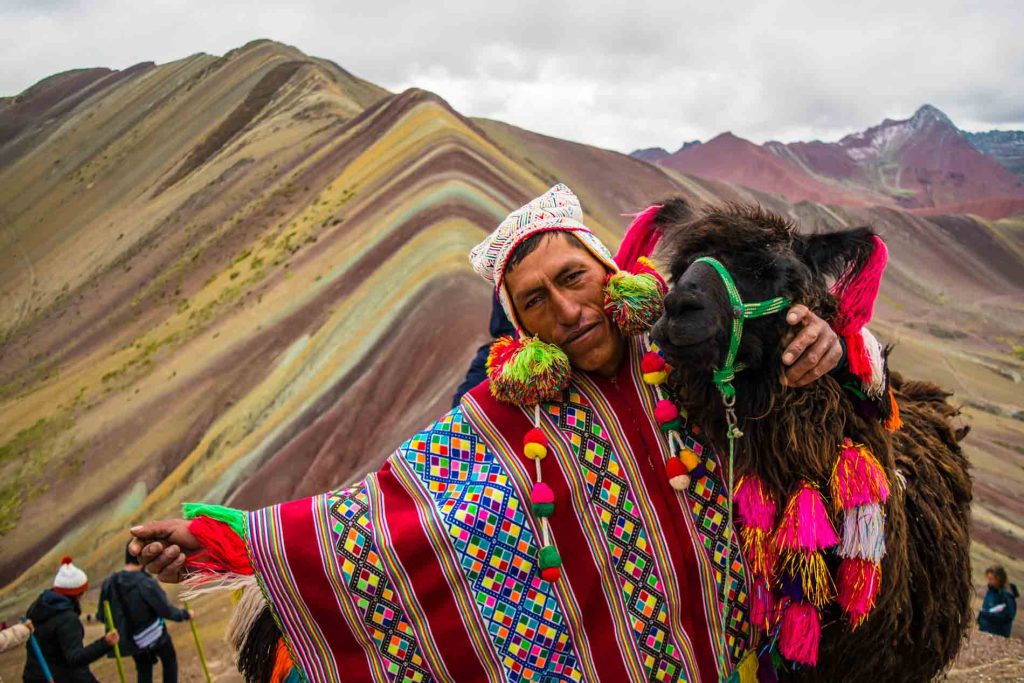
Llamas are the largest of the Peruvian camelids, standing up to 1.8 meters (6 feet) tall and weighing between 90-160 kilograms (198-348 pounds). They have longer necks, elongated faces, banana-shaped ears, and a more confident, independent demeanor than their alpaca cousins.
Primary Uses
For over 4,000 years, llamas have served as the primary pack animals of the Andes. They can carry up to 30% of their body weight for long distances across challenging mountain terrain, making them invaluable in regions where vehicles cannot reach.
Beyond transportation, llamas provide wool (though coarser than alpaca fiber) and meat. In traditional Andean culture, llamas were sacred animals, often sacrificed in religious ceremonies during the Inca Empire.
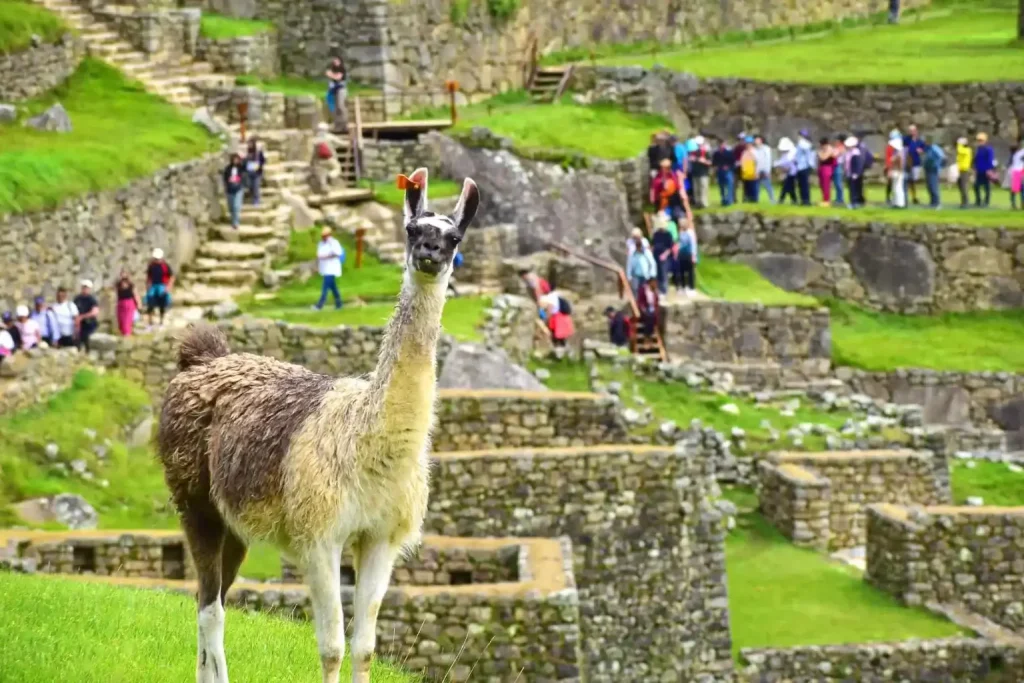
Today, Peruvian camelids like llamas continue to play a working role in rural communities and are popular attractions at tourist sites.
Behavioral Note
Llamas are famous for spitting when annoyed—though they typically reserve this behavior for other llamas rather than humans. They’re social animals that live in herds and establish clear dominance hierarchies.
Where to See Them
- Machu Picchu and other archaeological sites
- Working on farms in rural highland communities
- On multi-day treks like the Qhapaq Ñan route
- Tourist markets in Cusco and Puno
The Vicuña: Peru’s Golden Fiber
Physical Characteristics
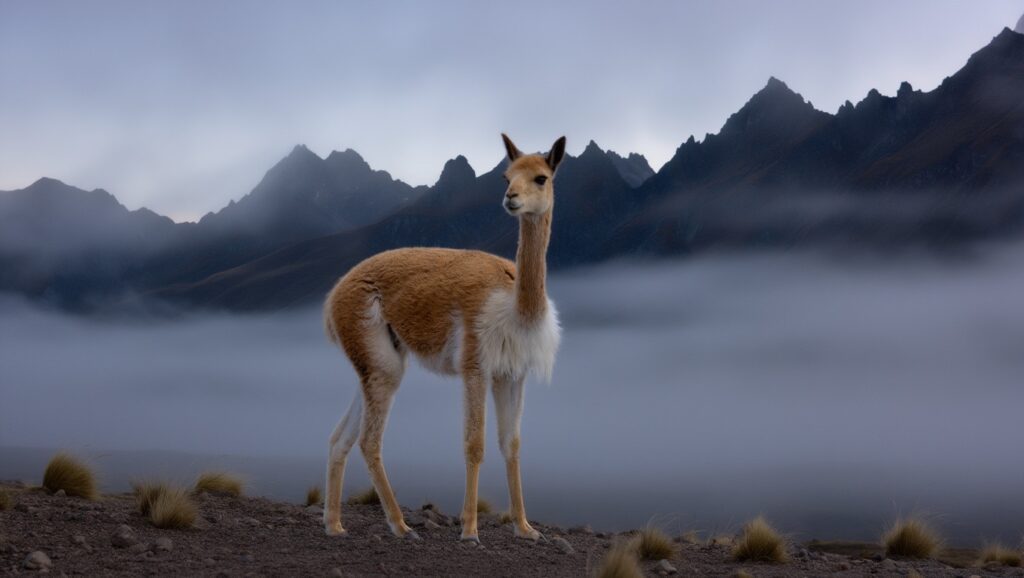
The vicuña is the smallest and most delicate of the Peruvian camelids, standing just 1.0-1.2 meters (3.3-3.9 feet) at the shoulder and weighing only 35-55 kilograms (77-121 pounds). It has a slender body, long legs, and gorgeous coloring: golden-brown on the back with a white chest and belly.
Primary Uses and Cultural Significance
The vicuña produces the finest animal fiber in the world—even finer than cashmere. During the Inca Empire, only royalty could wear vicuña garments. Overhunting nearly drove the species to extinction in the 1960s, with populations dropping to just 6,000 individuals.
Thanks to strict conservation laws and community-managed harvesting programs called “chaccu” (traditional round-ups), vicuña populations have rebounded to over 200,000 in Peru. The fiber can only be harvested once every two years through these sustainable, non-lethal shearing ceremonies.
Vicuña wool garments can cost thousands of dollars, making them among the most expensive textiles in the world.
The vicuña is Peru’s national animal and appears prominently on the country’s coat of arms, symbolizing the nation’s natural wealth.
Where to See Them
Wild vicuñas require special viewing opportunities:
- Pampa Galeras National Reserve in Ayacucho
- The high-altitude route from Arequipa to Colca Canyon
- Salinas and Aguada Blanca National Reserve
- Areas above 3,800 meters (12,500 feet) in the southern highlands
The Guanaco: The Wild Wanderer
Physical Characteristics
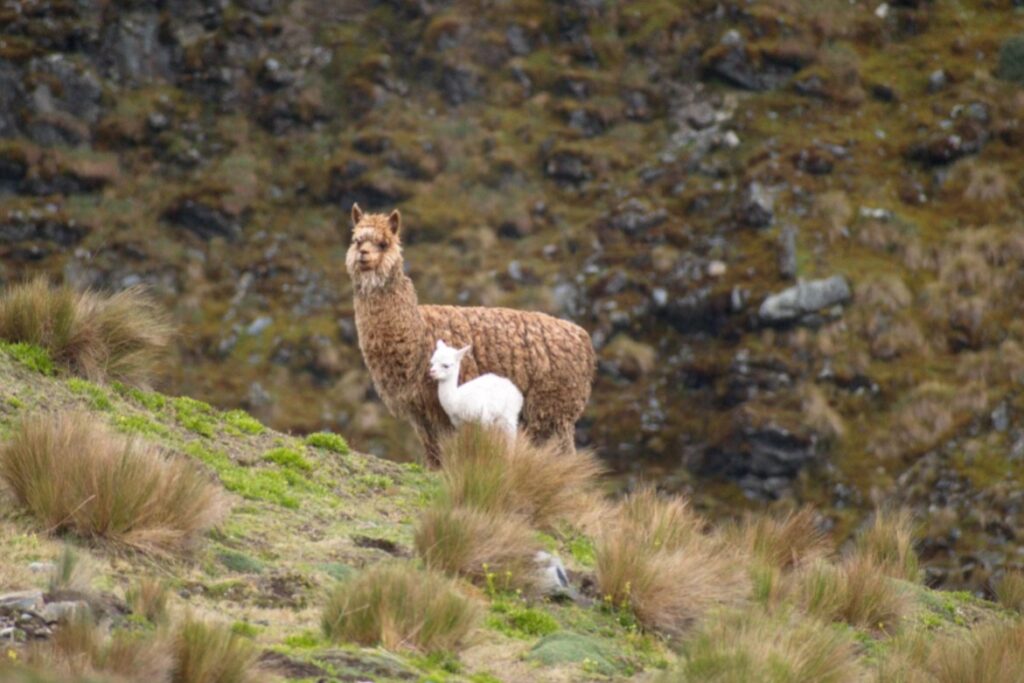
Guanacos are the wildest and most elusive Peruvian camelids. They stand about 1.0-1.2 meters (3.3-3.9 feet) at the shoulder and weigh 90-140 kilograms (200-310 pounds). They have thick coats with distinctive two-tone coloring: light brown on top, white underneath, and a grayish face.
Primary Uses and Characteristics
Unlike domesticated Peruvian camelids, guanacos remain entirely wild. They are the ancestors of domestic llamas and roam freely across the most remote regions of the Andes. Their wool is coarser than that of other species, so they’re not farmed for fiber. However, their meat is edible, though hunting has significantly reduced their numbers in Peru.
Guanacos are incredibly fast, reaching speeds up to 56 kilometers per hour (35 mph), and are highly adapted to extreme climates, from freezing mountain peaks to arid deserts.
Where to See Them
Guanacos are the rarest of the Peruvian camelids in Peru, with only about 3,500 individuals remaining. Your best chances are:
- Remote areas of southern Peru near the Chilean border
- Arequipa region on routes to Colca Canyon
- Protected reserves in Ayacucho
Key Differences Between Peruvian Camelids
| Feature | Alpaca | Llama | Vicuña | Guanaco |
|---|---|---|---|---|
| Status | Domesticated | Domesticated | Wild/Protected | Wild |
| Height | 100-150 cm | 120-170 cm | 100-120 cm | 120-190 cm |
| Weight | 45-70 kg | 90-110 kg | 35-55 kg | 90-140 kg |
| Fiber Quality | Very fine | Coarse | Finest in world | Coarse |
| Primary Use | Wool & meat | Pack animal | Luxury fiber | None (protected) |
| Temperament | Gentle, docile | Independent, confident | Shy, skittish | Wild, alert |
| Ears | Small, pointed | Long, banana-shaped | Medium, pointed | Long, banana-shaped, alert. |
Cultural Importance of Peruvian Camelids
Peruvian camelids have been woven into the fabric of Andean culture for millennia. During the Inca Empire, these animals were not merely livestock—they were sacred beings with profound spiritual significance.
The vicuña was so revered that only the Inca emperor and nobility could wear its fiber. Traditional “chaccu” ceremonies, where communities would herd wild vicuñas for shearing, were sacred events that continue today as a blend of ancient tradition and modern conservation.
Alpacas and llamas appear frequently in Andean mythology, often associated with fertility, abundance, and connection to the mountain gods (Apus). Even today, rural communities perform ceremonies honoring these animals, recognizing their essential role in highland survival.
For visitors to Peru, encountering Peruvian camelids is more than a photo opportunity—it’s a glimpse into thousands of years of harmonious human-animal relationships.
Economic Impact of Peruvian Camelids
Peru’s camelid industry represents a crucial economic pillar, particularly for highland communities. The alpaca fiber industry alone generates millions of dollars in exports annually, with Peru controlling roughly 90% of the global alpaca fiber market.
Major fashion brands worldwide prize Peruvian alpaca wool for its quality, sustainability, and ethical production methods. Organizations like PROMPERU actively promote alpaca fiber through the “Alpaca del Perú” brand at international fashion events.
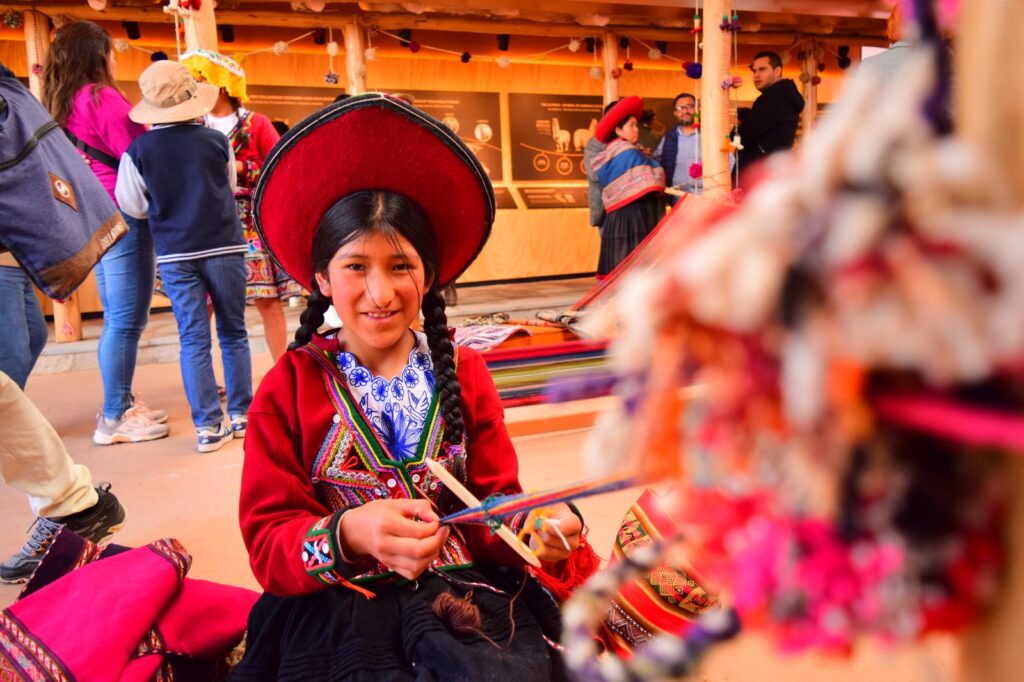
Beyond fiber, Peruvian camelids support tourism extensively. Visitors flock to Peru specifically to see these animals in their native habitat, contributing to local economies through farm visits, textile purchases, and eco-tourism experiences.
The sustainable management of wild Peruvian camelids like vicuñas also creates economic opportunities through controlled fiber harvesting programs that benefit rural communities while preserving wildlife.
Conservation Efforts
The story of vicuña conservation is one of South America’s greatest environmental success stories. After being hunted to near-extinction, coordinated conservation efforts involving Peru, Bolivia, Chile, and Argentina—combined with international trade protections—helped vicuña populations recover dramatically.
Today, strict regulations govern the harvesting of vicuña fiber. Only community-managed programs can conduct shearing, and the animals must be released unharmed immediately afterward. This model balances economic benefits with conservation, ensuring that Peru’s wild Peruvian camelids thrive.
Guanacos also receive legal protection, though their populations remain vulnerable due to habitat loss and historical hunting pressure.
Best Places to See Peruvian Camelids
For Alpacas and Llamas:
- Sacred Valley: Multiple textile centers and farms
- Cusco: City center and surrounding areas
- Inca Trail: During the four-day trek to Machu Picchu
- Machu Picchu: Resident llamas and alpacas at the site
- Puno and Lake Titicaca: Highland communities
For Vicuñas:
- Pampa Galeras National Reserve (Ayacucho)
- Route from Arequipa to Colca Canyon
- Salinas and Aguada Blanca National Reserve
For Guanacos:
- Remote areas near Chilean border
- Protected areas in southern Ayacucho region
Tips for Respectful Interaction with Peruvian Camelids
When encountering these animals during your Peru travels:
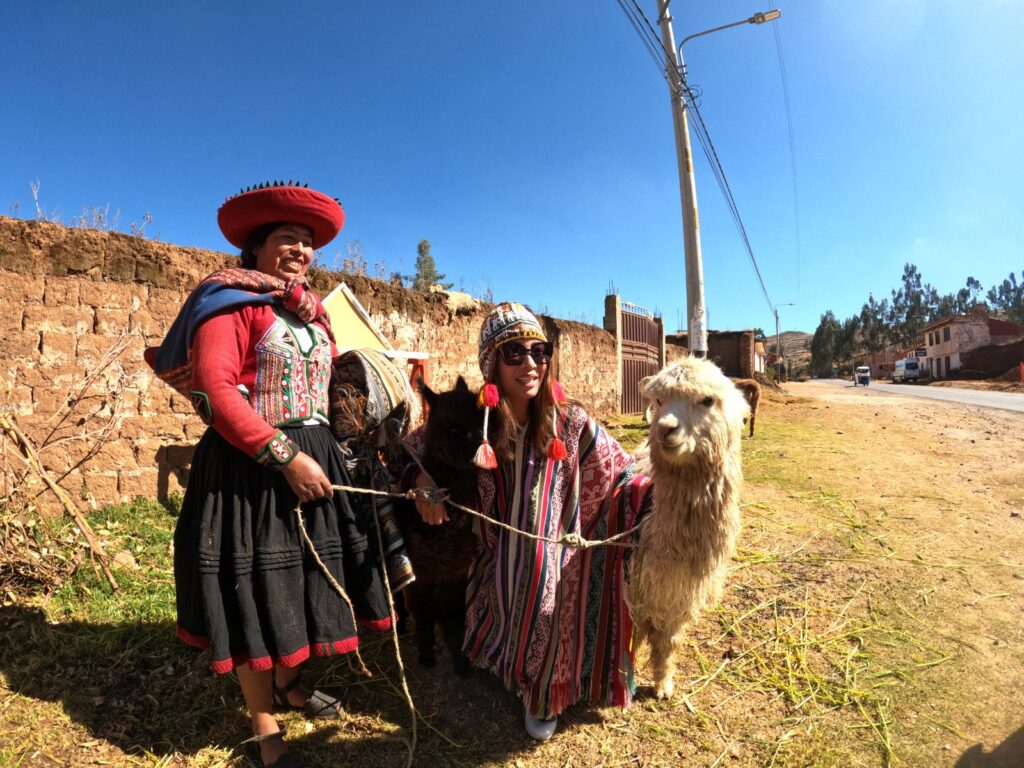
- Ask Permission: If an animal belongs to someone (especially in tourist areas), ask before taking photos
- Don’t Feed Without Permission: Their diets are carefully managed
- Respect Personal Space: Particularly with wild vicuñas and guanacos
- Watch for Warning Signs: If a llama’s ears go back flat, give it space (spitting may follow!)
- Support Ethical Tourism: Visit community-managed projects that benefit local families
- Purchase Authentic Products: Buy directly from artisans or certified retailers to ensure fair compensation
Experience Peru’s Living Heritage
Peruvian camelids are more than adorable photo subjects—they represent thousands of years of Andean culture, sustainable resource management, and harmonious coexistence between humans and nature. From the luxurious vicuña to the hardworking llama, each species plays a unique role in Peru’s ecological and cultural landscape.
Whether you’re trekking through mountain passes, exploring ancient Inca sites, or shopping for world-class textiles, these remarkable animals will undoubtedly become one of the highlights of your Peruvian adventure.
Ready to Meet Peruvian Camelids in Person?
Join us at Neotropic Peru for an unforgettable journey through the Peruvian highlands, where you’ll encounter these magnificent animals in their natural habitat. Our expert-guided tours include:
✓ Visits to traditional alpaca farms in the Sacred Valley
✓ Trekking experiences with llamas carrying your gear
✓ Opportunities to see wild vicuñas in protected reserves
✓ Cultural workshops on traditional textile production
✓ Authentic interactions with Andean communities
Book your Peru adventure today and discover why Peruvian camelids have captivated travelers for centuries. Contact us to create your personalized itinerary featuring the best camelid encounters Peru has to offer!
Contact Neotropic Peru | View Tours
Frequently Asked Questions About Peruvian Camelids
Q: What’s the difference between an alpaca and a llama? Alpacas are smaller (90 cm vs. 120-170 cm), bred for fiber rather than transport, have fluffier fleece, and possess smaller, pointed ears. Llamas are larger, stronger, historically used as pack animals, and have longer, banana-shaped ears.
Q: Can you ride Peruvian camelids? Llamas and alpacas should not be ridden—their spines aren’t designed to carry human weight. They can carry cargo (llamas up to 30% of body weight), but riding them causes pain and damage.
Q: Why is vicuña wool so expensive? Vicuña fiber is the finest natural fiber in the world, and each animal produces only about 250 grams every two years. Combined with strict harvesting regulations and conservation requirements, this makes vicuña wool extremely rare and valuable.
Q: Do Peruvian camelids spit? Yes, but primarily at each other during dominance disputes or feeding competition. They rarely spit at humans unless severely provoked or stressed. Warning signs include ears pinned back and raised heads.
Q: Are Peruvian camelids related to camels? Yes! All belong to the Camelidae family. South American camelids evolved from North American ancestors that migrated south millions of years ago, while camels migrated to Asia and Africa.